
In This Guide
Why Malaysian Nostalgia Hits Different
Growing up in Malaysia was a uniquely multicultural experience that no other country in the world can quite replicate. Whether you were Malay, Chinese, Indian, Iban, Kadazan, or any of the dozens of ethnicities that call this country home, you shared a common childhood vocabulary: the taste of Mamee Monster crushed in the packet, the sting of a rubber band hitting your ankle during Zero Point, the excitement of hearing the Ding Dang jingle, and the universal dread of Add Math homework.
What Makes Malaysian Nostalgia Special
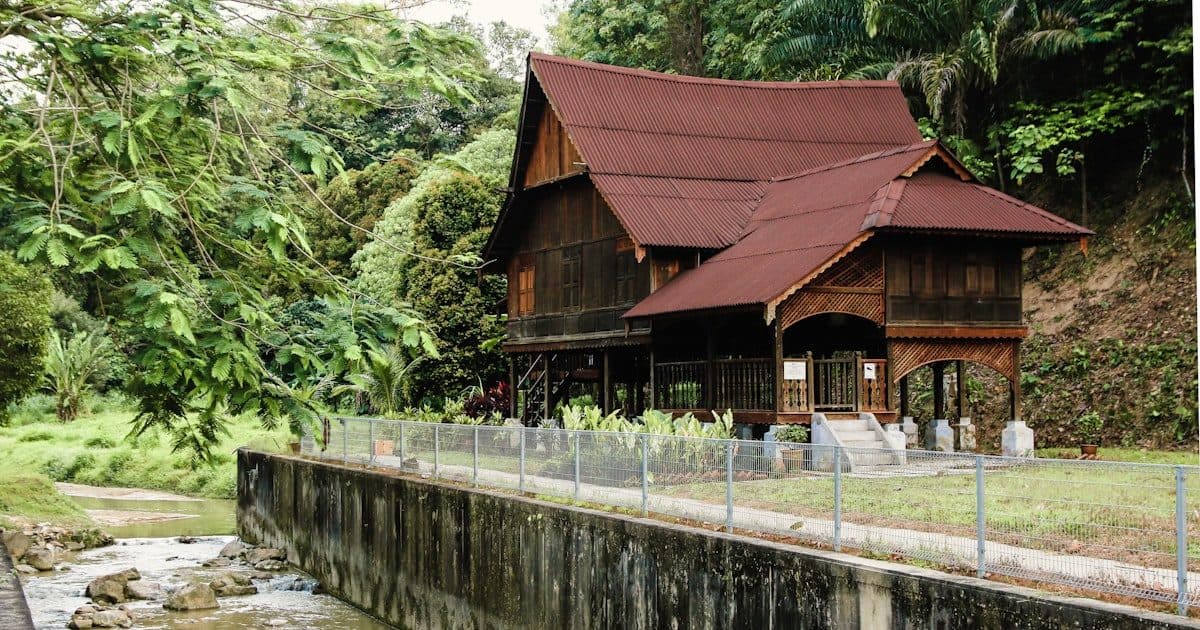
Malaysian childhood nostalgia is deeply tied to the kampung spirit — that sense of communal living where everyone's house was your house, where your neighbour's mum would feed you without question, and where playing outside until Maghrib was the universal curfew. This wasn't unique to rural kampungs; even in urban flats and taman housing estates, kids roamed freely, formed gangs (the innocent kind), and created entire worlds out of nothing but imagination and a few sen worth of snacks from the kedai runcit.
The beauty of Malaysian nostalgia is how it transcends race and religion. A Chinese kid in Ipoh and a Malay kid in Kota Bharu both knew the thrill of buying a 20 sen ice cream from the motorcycle uncle, both watched Doraemon dubbed in Malay on RTM, and both dreaded the moment their report card came out.
80s vs 90s vs 00s Kids — A Comparison
| Aspect | 80s Kids | 90s Kids | 00s Kids |
|---|---|---|---|
| Morning cartoons | RTM1 only | TV3 + NTV7 launched | Astro 100+ channels |
| Favourite snack | Kacang putih, haw flakes | Mamee Monster, Ding Dang | Super Ring, Jacker |
| Games | Congkak, gasing, wau | Zero Point, Pepsi Cola, Batu Seremban | PS2, Tamiya, Tamagotchi |
| Music | Sudirman, Alleycats | KRU, Siti Nurhaliza | Akademi Fantasia stars |
| School stress | SRP exam | PMR exam | PMR then it got abolished |
| Communication | House phone (if lucky) | Pager, then Nokia 3310 | MSN Messenger, mIRC |
| Pocket money | 20-50 sen | RM1-2 | RM3-5 |
| Weekend activity | Pasar malam, wayang | Arcade at shopping mall | Cyber cafe (CC) |
| Transport to school | Walk or bicycle | Bas sekolah kuning | Parents send by car |
| Iconic drink | Air sirap | Milo kotak | Yeo's packet drinks |
The 80s were the era of simplicity — fewer TV channels meant the whole nation watched the same shows, and entertainment was largely self-made. The 90s saw the explosion of consumer culture, with shopping malls becoming the new hangout and technology starting to creep in. The 00s were the transitional decade, where the last generation of kids who played outside coexisted with the first generation that grew up with broadband internet.
The Kedai Runcit Economy
Every Malaysian childhood revolved around the kedai runcit (sundry shop) or the school kantin. With just 50 sen, you were a king. The kedai runcit uncle knew every kid in the neighbourhood by name, and the glass jars on the counter — filled with gummy sweets, Haw Flakes, and asam — were more tempting than any modern candy store. Some kids even ran "tabs" with the kedai runcit, paying back when their parents gave them duit raya or ang pow money.
Childhood Snacks That Defined a Generation
If you grew up in Malaysia, your taste buds were trained by a very specific set of snacks. These weren't fancy imported treats — they were cheap, cheerful, and absolutely legendary. Most could be had for 20-50 sen, and the kedai runcit or school kantin was your snack paradise.
The Complete Malaysian Childhood Snack Guide
| Snack | Price Then | Price Now (2026) | Still Available? | Era |
|---|---|---|---|---|
| Mamee Monster (raw) | 30 sen | RM1.50 | Yes | 80s-present |
| Ding Dang (with toy) | 50 sen | RM2.50 | Yes (rebranded) | 80s-90s |
| Choki Choki | 20 sen | RM0.80 | Yes | 90s-present |
| Apollo Wafer Cream | 20 sen | RM0.60 | Yes | 80s-present |
| Haw Flakes (山楂饼) | 10 sen | RM1.00 | Yes (imported) | 80s-present |
| Sugus candy | 5 sen each | RM0.30 | Discontinued | 80s-90s |
| White Rabbit candy | 10 sen | RM0.50 | Yes (imported) | 80s-present |
| Ice Gems biscuits | 20 sen | RM1.50 | Yes | 80s-present |
| Nini sticks (chocolate) | 20 sen | RM1.00 | Hard to find | 90s |
| Kacang Putih (paper cone) | 20 sen | RM2.00 | Rare | 80s-90s |
| Pop Pop crackers | 10 sen/box | RM1.50 | Seasonal | 80s-present |
| Sour Rainbow candy belt | 10 sen | RM0.50 | Yes | 90s-present |
| Super Ring | 30 sen | RM1.50 | Yes | 90s-present |
| Chickadees | 30 sen | RM1.50 | Yes | 80s-present |
| Twisties | 30 sen | RM1.80 | Yes | 80s-present |
| UFO wafer (flying saucer) | 5 sen each | RM0.20 | Yes | 80s-present |
| Nyam Nyam chocolate dip | 50 sen | RM2.00 | Hard to find | 90s |
| Fizzy cola candy | 5 sen | RM0.30 | Yes | 90s-present |
| Asam (preserved fruits) | 10 sen | RM1.00 | Yes | 80s-present |
| Kum Kum candy (tattoo) | 10 sen | Discontinued | No | 80s-90s |
The Mamee Monster Ritual
Every Malaysian kid had their own Mamee Monster ritual. Step 1: Open the packet. Step 2: Pour in the flavour powder. Step 3: Crush the noodles while still in the packet. Step 4: Shake vigorously. Step 5: Eat straight from the packet like a boss. Nobody — absolutely nobody — cooked Mamee Monster with water. That was considered sacrilege. The chicken flavour was the classic, but the BBQ version had its loyal following.
Ding Dang: The Snack You Bought for the Toy
Let's be honest — nobody bought Ding Dang for the chocolate balls. It was ALL about the toy inside. The tiny plastic figurine, the miniature car, the puzzle ring — these were the loot boxes of the pre-internet era. Kids would trade Ding Dang toys at school like they were dealing in precious commodities. The disappointment of getting a duplicate toy was real heartbreak.
Choki Choki: The Great Debate
Was Choki Choki chocolate or some mysterious brown substance? Nobody knew, nobody cared. You squeezed it out of the tube, licked it clean, and went back for more. Some kids would freeze their Choki Choki for a different texture experience. Others would draw patterns with it on bread. It was the most versatile 20-sen investment you could make.
The Kacang Putih Man
The kacang putih man was a mobile institution. Usually an Indian uncle on a bicycle or motorcycle, carrying a large container filled with various types of seasoned nuts, murukku, and spicy snacks, all served in hand-rolled newspaper cones. Sadly, this tradition has nearly disappeared from Malaysian streets, replaced by convenience stores and pre-packaged snacks. The kacang putih man was the original artisanal street food vendor before that term even existed.
The Ice Cream Motorcycle
The unmistakable sound of a bell or horn from the ice cream motorcycle would send kids sprinting out of their houses. For 20-50 sen, you could get a scoop of durian, vanilla, yam, or red bean ice cream sandwiched between two wafer slices or stuffed into a slice of bread (yes, bread). The potong ice cream came in a plastic tube — you'd push it up from the bottom as you ate. Walls ice cream on a bicycle was premium; the local uncle on a motorcycle was the people's champion.
Relive the Nostalgia — Shop Malaysian Snacks & Collectibles
Turn your old family photos into a printed memory book with Photobook Malaysia. Find classic Malaysian snacks and retro toys on Shopee and Lazada — earn cashback with ShopBack.

Malaysian-founded photo printing brand — custom photo books, calendars, canvas, mugs and gifts. Frequent 50%+ promos.

Malaysia's top app for shopping, food, and payments. Daily deals and free shipping.

Malaysia's leading marketplace. Mega sales, vouchers, and free shipping on millions of products.

Earn cashback on every purchase. Works with Shopee, Lazada, Agoda, and 500+ stores.
Traditional & Playground Games We All Played
Before PlayStation, before smartphones, before even board games were common, Malaysian kids entertained themselves with games that required nothing more than open space, rubber bands, stones, or just their own bodies. These games were passed down through generations and played across every school padang, car park, void deck, and kampung clearing in the country.
The Complete Malaysian Childhood Games Guide
| Game | Players Needed | Equipment | Difficulty | Popular Era |
|---|---|---|---|---|
| Congkak | 2 | Congkak board + marbles/seeds | Medium | 80s-90s |
| Batu Seremban (five stones) | 1-4 | 5 small stones or beanbags | Medium | 80s-00s |
| Police & Thief (Polis Sentri) | 6+ | None | Easy | 80s-00s |
| Zero Point | 3+ | Rubber band chain | Medium | 90s-00s |
| Pepsi Cola 1-2-3 | 2+ | None | Easy | 90s-00s |
| Galah Panjang | 8+ | Chalk or lines on ground | Medium | 80s-90s |
| Rounders | 10+ | Tennis ball + wooden bat | Medium | 80s-00s |
| Capteh (sepak bulu ayam) | 1+ | Feathered shuttlecock | Hard | 80s-present |
| Gasing (top spinning) | 1+ | Wooden top + string | Hard | 80s-90s |
| Guli (marbles) | 2+ | Marbles | Easy | 80s-90s |
| Wau (kite flying) | 1+ | Kite + string | Medium | 80s-present |
| Lastik (catapult) | 1+ | Y-shaped branch + rubber | Medium | 80s-90s |
| Teng-teng (hopscotch) | 1+ | Chalk + stone | Easy | 80s-00s |
| Tin Kaleng (kick the can) | 4+ | Empty tin can | Easy | 80s-90s |
| Main masak-masak | 2+ | Leaves, flowers, dirt | Easy | 80s-00s |
| Hide and seek (Cak Cak Umpet) | 4+ | None | Easy | 80s-00s |
| Takraw (sepak raga) | 2+ | Rattan ball | Hard | 80s-present |
| Ice & Water | 6+ | None | Easy | 90s-00s |
| Monkey bar games | 3+ | Playground monkey bars | Medium | 80s-00s |
| Blade/card flipping | 2+ | Trading cards | Easy | 90s-00s |
Zero Point — The National Sport of Malaysian Girls
Zero Point (also called Chinese jump rope) was arguably the most popular game among Malaysian girls from the 90s onwards. The equipment was simple: hundreds of rubber bands linked together to form a long elastic chain. Two players would hold the chain at their ankles, then knees, then waist, then shoulders, with jumpers needing to get over at increasingly impossible heights. The truly athletic kids could clear shoulder height. The chain would snap occasionally, sending rubber bands flying, and someone would have to spend recess linking them back together.
Batu Seremban — Malaysia's Original Fidget Toy
Batu Seremban (five stones) was a game of pure dexterity. Five small stones or cloth beanbags, tossed and caught in increasingly complex patterns. The game had multiple rounds: toss one up and grab one from the ground, then two, then three, then four. Advanced rounds involved throwing all five up and catching them on the back of your hand. This game was so popular that it was included in school sports competitions and even state-level tournaments. Many girls carried their own set of five stones in their school bag at all times.
Galah Panjang — The Ultimate Team Game
Galah Panjang (also called Galah Panjang or Main Galah) was the game that turned school padangs into battlefields. A rectangular court was drawn on the ground with several horizontal lines. Defenders stood on the lines and could only move along them, while attackers had to cross all lines and return without being tagged. The game required speed, agility, and the ability to fake out your opponent. It was basically Malaysian football without the ball.
The Guli (Marbles) Economy
Marbles were currency in Malaysian schools. Different types had different values: the small solid-colour ones were common (1-for-1 trades), but the larger ones with swirls inside were premium. Clear glass marbles were the most prized. Kids would dig small holes in the ground during recess and play various shooting games, and the winner would take the loser's marbles. Some kids accumulated hundreds. Losing your best marble was equivalent to a stock market crash in kid terms.
Capteh — The Eternal Challenge
Capteh (sepak bulu ayam) was the game where cool kids and not-so-cool kids were instantly separated. The feathered shuttlecock had to be kept in the air using only your feet. Some legends could do hundreds of kicks without dropping it. The sound of capteh being kicked — that distinctive pok pok pok — was the soundtrack of school recess. The rubber-base versions were for beginners; the real ones had actual chicken feathers.
TV Shows That Raised Us
Before streaming services, before YouTube, before even Astro became widespread, Malaysian kids were glued to RTM1, RTM2, TV3, and later NTV7 and 8TV. The TV schedule dictated your entire day. Saturday morning cartoons were sacred. Missing your favourite show meant waiting a whole week (no reruns, no catch-up). And if someone called the house phone during your show, that was grounds for a serious fight.
Iconic Malaysian TV Shows
| Show | Channel | Years | Genre | Why We Remember It |
|---|---|---|---|---|
| Senario | TV3 | 1996-2009 | Comedy | Lan Pet Pet, Mazlan, Wahid — legendary sketches |
| Kopitiam | NTV7 | 2003-2008 | Sitcom | Multiracial cast, kopitiam setting, felt like home |
| Gerak Khas | TV3 | 1999-2001 | Action/Drama | Inspector Ghazali fighting crime, the coolest cop show |
| Spanar Jaya | TV3 | 2001-2007 | Sitcom | Mechanic workshop comedy, simple kampung humour |
| Upin & Ipin | TV9 | 2007-present | Animation | Twin orphans, Malaysian values, still running strong |
| BoBoiBoy | TV3/Monsta | 2011-present | Animation | Malaysian superhero, blockbuster movies |
| Doraemon (RTM dub) | RTM1 | 1990s-2000s | Anime (dubbed) | "Nobita!" in Malay voice, Saturday morning staple |
| Power Rangers (TV3) | TV3 | 1990s-2000s | Action | English with Malay subtitles, every kid's favourite |
| 1 Dunia 1 Sesama | RTM | 1990s | Educational | Malaysian Sesame Street with local puppets |
| Pi Mai Pi Mai Tang Tu | RTM | 1985-1987 | Comedy | National comedy legend, still quoted today |
| Jejak Rasul | TV3 | 1990s-2000s | Religious | Ramadan staple, entire families watched together |
| Misteri Nusantara | TV3 | 2000s | Horror/Mystery | Scary enough to give nightmares for weeks |
| Who Wants to Be a Millionaire (MY) | TV3 | 2001-2003 | Game show | "Jawapan muktamad?" became a national catchphrase |
| Akademi Fantasia | Astro Ria | 2003-2014 | Reality singing | The Malaysian Pop Idol, launched careers |
| Jangan Ketawa | TV3 | 2000s | Comedy | Try not to laugh challenge, hosted by Nabil |
The Saturday Morning Cartoon Schedule
Saturday mornings in the 90s were the holiest time of the week for Malaysian kids. The schedule went something like this: wake up at 7am (willingly, unlike school days), plonk yourself in front of the TV, and watch back-to-back cartoons until noon. RTM1 had the Malay-dubbed anime block — Doraemon, Crayon Shin-chan (before it was deemed too inappropriate), Dragon Ball, Slam Dunk. TV3 had the English cartoons and Power Rangers. NTV7, when it launched in 1998, added even more options. The remote control was a weapon of sibling warfare.
Doraemon in Malay — A Cultural Institution
Doraemon dubbed in Malay on RTM was probably the most universally watched show in Malaysian childhood history. Nobita became the Malaysian everykid — lazy, hopeless at school, but loveable. The Malay voice actors gave the characters a distinctly local flavour. "Doraemon, tolong aku!" was heard in playgrounds nationwide. Kids argued about which gadget they'd want from Doraemon's pocket (Pintu Suka Hati/Anywhere Door was the top pick). Some teachers banned Doraemon references in school essays because every kid would write about wanting a magic gadget.
Senario — Comedy Gold Standard
Senario was to Malaysian comedy what Friends was to American comedy — a cultural touchpoint that everyone shared. Lan Pet Pet, Mazlan Macam Best, and Wahid created sketches that are still quoted decades later. The show's format was simple: short comedy sketches performed live with an audience. But the chemistry between the cast members and their improvisational skills made it timeless. "Senario" became slang for any comedic situation in daily Malaysian life.
Akademi Fantasia — When Malaysia Discovered Reality TV
When Akademi Fantasia launched on Astro Ria in 2003, it changed Malaysian entertainment forever. Suddenly, the whole country was voting for their favourite contestants via SMS (at RM0.50 per vote — Astro made a fortune). Mawi from Season 3 became a national phenomenon. Office productivity dropped every Saturday night during AF season. Mamak stalls would tune their TVs to AF, and strangers would debate contestants' performances. It was Malaysia's first real taste of participatory media before social media existed.
Shops & Brands That Disappeared
The Malaysian retail landscape has changed dramatically over the past three decades. Many stores that were landmarks of childhood shopping trips have either vanished completely or transformed beyond recognition. Walking through a modern Malaysian mall, you'd never know that these once-mighty brands ever existed.
Nostalgic Malaysian Shops & Brands
| Shop/Brand | Peak Years | What Happened | Nostalgia Level |
|---|---|---|---|
| Yaohan | 1980s-1997 | Parent company went bankrupt (Japan), stores closed | Legendary |
| Makro | 1993-2007 | Sold to Tesco (now Lotus's), all stores converted | High |
| Metrojaya | 1976-2020 | Closed during COVID, couldn't recover | High |
| Tangs | 1990s-2000s | Pulled out of Malaysia | Medium |
| Reject Shop | 1990s-2010s | Gradually disappeared, replaced by Daiso/MR DIY | High |
| MPH Bookstore (original) | 1906-present | Drastically downsized, few outlets remain | High |
| Times Bookstore | 1990s-2010s | Most outlets closed | Medium |
| A&W (old format) | 1963-present | Nearly died, revived with fewer outlets | High |
| Parkson | 1987-present | Drastically downsized from 40+ to handful | Medium |
| Isetan | 1990-2019 | Closed all Malaysia stores | High |
| Giant (old format) | 1944-present | Rebranded, smaller format, lost hypermarket feel | Medium |
| Carrefour | 2000-2012 | Sold to Aeon, became Aeon Big then MaxValu | Medium |
| KFC (old style) | 1973-present | Menu completely different, lost funky chicken identity | Medium |
| McDonald's birthday parties | 1980s-2010s | Still exists but nothing like the old days | High |
| Toy "R" Us (MY) | 1993-2018 | Closed with global bankruptcy, now back in limited form | Legendary |
Yaohan — The Mall of Legends
For 80s and early 90s kids, Yaohan was THE department store. A Japanese chain that set up shop across Malaysia, Yaohan stores were anchors in many malls and were considered upscale shopping destinations. The Yaohan at Subang Parade, 1 Utama (old wing), and various locations were where middle-class families did their weekend shopping. When Yaohan's Japanese parent company collapsed in 1997 during the Asian Financial Crisis, it was like losing a family member. Some stores were absorbed by other retailers, but the Yaohan brand became a ghost of Malaysian retail history.
Makro — The Wholesale Wonderland
Makro was the original bulk-buying paradise in Malaysia. Those massive warehouse-style stores where everything came in industrial quantities were a weekend adventure for families. Kids would ride in the oversized trolleys while parents loaded up on everything from toilet paper to tinned food. The Makro experience was unique: concrete floors, high shelves, that distinct warehouse smell. When it was sold to Tesco (now Lotus's), Malaysians lost one of the most distinctive shopping experiences of the 90s.
The Reject Shop — Malaysia's Original Bargain Store
Before MR DIY, before Daiso, there was the Reject Shop. These stores sold an eclectic mix of discounted goods — slightly imperfect items, overstock, and random imports — at unbeatable prices. The thrill of the Reject Shop was the treasure hunt: you never knew what you'd find. School supplies, kitchen gadgets, toys, stationery — all at prices that made your RM5 pocket money feel like a fortune. MR DIY has filled this niche, but it lacks the chaotic charm of the original Reject Shop.
McDonald's Birthday Parties — Peak Childhood Luxury
Having your birthday party at McDonald's was the ultimate flex in 90s Malaysia. The party packages included Happy Meals, party hats, balloons, and a visit from Ronald McDonald himself. The invitations were special McDonald's cards, and receiving one at school was like getting a golden ticket. Kids who had their birthday at McDonald's were instant celebrities for at least a week. The nuggets tasted better at parties (they didn't, but nostalgia says otherwise), and the playground — that towering, slightly terrifying, definitely unhygienic playground — was the highlight.
7-Eleven Evolution
7-Eleven has been in Malaysia since 1984, but the experience has changed dramatically. In the 80s-90s, 7-Eleven was where you bought Slurpees, browsed the magazine rack, and maybe grabbed a hot dog from the roller grill. It was a novelty — a 24-hour store! The modern 7-Eleven is essentially a mini mart with fresh food, GrabFood pickup points, and bill payment terminals. Functional, yes, but it's lost that "late-night adventure" vibe it had when staying up past midnight was still an event.
School Life — The Universal Malaysian Experience
Malaysian school life was a shared experience that bonded millions of kids regardless of background. The system, the rituals, the stress, the joy — it was all uniquely Malaysian. From the dreaded morning assembly in the blazing sun to the underground economy of the school kantin, school was where Malaysian kids truly grew up.
The Malaysian School Experience by Decade
| Aspect | 80s School | 90s School | 00s School |
|---|---|---|---|
| Big exam | SRP (Sijil Rendah Pelajaran) | PMR (Penilaian Menengah Rendah) | PMR then PT3 |
| School shoes | Bata only | Bata or Pallas Jazz | Any white shoe |
| Bag brand | No brand, canvas | Trax, Cada | Bodypack, Nike |
| Morning assembly | National anthem + Rukun Negara | Same + moral talk | Same + motivational quotes |
| Recess food | Nasi lemak bungkus 30 sen | Nasi lemak 50 sen, Maggi goreng | Nasi lemak RM1-1.50 |
| After-school | Main at padang | Tuition class starts | Tuition + extra tuition |
| Report card day | Father comes with rotan | Parents slightly concerned | Parents extremely stressed |
| Exercise book brand | Standard blue | Unistar, SI | Any brand |
| Punishment | Rotan, ketuk jari | Rotan (less common), standing outside | Counselling session |
| School canteen drink | Air sirap, Milo | Milo, Kickapoo, packet drinks | Milo, various packet drinks |
Morning Assembly — The Daily Trial
Every Malaysian school day started with morning assembly. Students lined up in neat rows on the padang or basketball court, baking under the tropical sun. The sequence was always the same: Negaraku (national anthem), Rukun Negara pledge, school song, then announcements from the Guru Besar or Pengetua. Prefects patrolled the lines like military police, checking for untucked shirts, wrong-coloured socks, and long hair (for boys). If you were late, you stood at the side in the "Hall of Shame." Every few weeks, someone would faint from the heat, causing a small commotion. The trick was to stand behind a taller kid for shade.
The Kantin Economy
The school kantin (canteen) was the heart of Malaysian school social life. Within its sweaty, noisy confines, entire social hierarchies were established. The popular table, the studious table, the troublemaker table — everyone had their spot. The food was legendary: nasi lemak in newspaper wrapping (later banned for health reasons), mee goreng, curry puffs, kuih, and the ubiquitous Milo van. The Milo van visit was an EVENT. Nestle would send a truck with free Milo for everyone, and the entire school would queue up like it was free gold. Milo at school always tasted better — it was thicker, colder, and served with the authority of a multinational corporation.
UPSR, PMR, SPM — The Holy Trinity of Stress
Malaysian students faced three major examinations that essentially defined their academic lives:
- UPSR (Ujian Pencapaian Sekolah Rendah): Taken at 12 years old, this was your first taste of real exam pressure. Getting all A's was the dream; anything less and your parents started "discussing your future."
- PMR (Penilaian Menengah Rendah): At 15, this exam determined your stream — Science or Arts. Getting into the Science stream was the holy grail. Arts stream kids were treated like second-class citizens (unfairly, but that was the culture). PMR was later replaced by PT3, then essentially abolished.
- SPM (Sijil Pelajaran Malaysia): THE exam. At 17, your entire future supposedly depended on this one set of papers. SPM season meant tuition every day, study groups until midnight, and your parents temporarily becoming exam coaches. Results day was the most stressful day of the year — entire families would gather around the newspaper to check results before the online era.
Add Math — The Great Filter
Additional Mathematics (Add Math) was the subject that separated the "Science stream" kids from everyone else. It was universally feared and despised, and the collective groan when the Add Math teacher entered the classroom was louder than any rock concert. Many adults still have PTSD from differentiation and integration. The phrase "I failed Add Math" is a bonding statement among Malaysians — say it at any gathering and half the room will nod in solidarity.
Gotong-Royong — Forced Community Service
Gotong-royong (communal work) days were when the school mobilized its entire student body to clean the premises. Armed with brooms, mops, and rags, students would sweep classrooms, wash corridors, pull weeds, and paint walls. It was supposed to build community spirit, and honestly, it kind of did. The best part was the food provided afterwards — usually nasi lemak or fried mee. The worst part was being assigned to clean the longkang (drain), which was a punishment disguised as community service.
The Prefect System
Being made a prefect was either the greatest honour or the greatest curse of your school life. Prefects wore special badges, got to skip certain activities, and wielded power over their peers. But they also had to wake up earlier, stay later, and endure the hatred of fellow students who got caught for dress code violations. The Head Prefect was basically a teenage politician. Some schools had the "pengawas" system instead — same concept, different name, same complex power dynamics.
Childhood Food & Drinks — The Taste of Growing Up
Malaysian childhood wasn't just defined by what we did — it was defined by what we ate and drank. The flavours of growing up in Malaysia are so specific and so deeply embedded in memory that one taste can transport you back decades. These weren't restaurant meals; these were pasar malam finds, roadside stalls, and mamak favourites.
Iconic Malaysian Childhood Food & Drinks
| Food/Drink | Average Price Then | Average Price Now | Where to Find | Nostalgia Rating |
|---|---|---|---|---|
| ABC Ice (Ais Batu Campur) | RM1.00 | RM5-8 | Hawker stalls, food courts | 10/10 |
| Cendol | RM0.80 | RM4-6 | Roadside stalls, pasar malam | 10/10 |
| Rojak (fruit) | RM1.50 | RM6-10 | Indian stall, pasar malam | 9/10 |
| Ramly Burger | RM1.50-2.00 | RM5-8 | Burger stalls, pasar malam | 10/10 |
| Mamak Mee Goreng | RM2.00 | RM7-10 | Mamak restaurants | 10/10 |
| Sirap Bandung | RM0.80 | RM3-5 | Everywhere | 9/10 |
| Milo Dinosaur | RM1.50 | RM5-7 | Mamak restaurants | 10/10 |
| Teh Ais Limau | RM0.80 | RM3-5 | Mamak, kopitiam | 9/10 |
| Air Tebu (sugarcane) | RM0.50 | RM3-5 | Roadside stalls | 9/10 |
| Nasi Lemak Bungkus | RM0.50 | RM2-3 | Everywhere | 10/10 |
| Roti Canai | RM0.60 | RM1.80-2.50 | Mamak restaurants | 10/10 |
| Char Kuey Teow | RM2.00 | RM7-12 | Hawker stalls | 9/10 |
| Apam Balik | RM0.50 | RM2-4 | Pasar malam | 9/10 |
| Pisang Goreng | RM0.20 each | RM1-2 each | Roadside stalls | 9/10 |
| Keropok Lekor | RM1.00 | RM3-5 | Terengganu stalls, nationwide | 8/10 |
| Popiah basah | RM1.00 | RM3-5 | Hawker stalls | 8/10 |
| Ais Krim Potong | RM0.30 | RM1.50 | Kedai runcit, 7-Eleven | 10/10 |
| Milo Kotak (packet) | RM0.50 | RM1.50 | Everywhere | 9/10 |
Ramly Burger — The Pasar Malam King
The Ramly Burger stall at the pasar malam was the first fast food for most Malaysian kids. That distinctive sizzle of a frozen beef or chicken patty on a flat griddle, wrapped in egg, slathered with margarine, chilli sauce, Maggi seasoning, and mayonnaise, then served in a paper bag — it was perfection. The Ramly Burger special (with cheese and extra egg) was the premium upgrade. Every pasar malam had at least one Ramly stall, and the queue was always the longest. McDonald's and Burger King will never replicate the experience of eating a Ramly Burger at 9pm on a Saturday night at the pasar malam, standing in a crowd, with the smell of fried everything in the air.
Milo Dinosaur — Malaysia's National Drink
Milo was to Malaysia what tea is to England — an absolute institution. But Malaysians didn't stop at regular Milo. The Milo Dinosaur was a stroke of genius: iced Milo with an extra heap of undissolved Milo powder on top. The textural contrast of cold liquid and crunchy powder was addictive. Every mamak had its own Milo preparation style, and Malaysians could (and would) debate whose Milo was the best. The Milo van at school? That was basically a national holiday in a truck. Nestle knew what they were doing.
ABC Ice — The Ultimate Malaysian Dessert
Ais Batu Campur (ABC) — also called ais kacang — was the childhood treat that every Malaysian craved on a hot day (which was every day). A mountain of shaved ice drowned in rose syrup, gula melaka, and evaporated milk, hiding a treasure trove of red beans, sweet corn, cendol jelly, cincau, and atap chee (palm seeds). Every stall had their own recipe. The best ABC stalls had queues stretching down the road. The modern versions with ice cream on top are great, but purists maintain that the original roadside version with just syrup and beans was peak ABC.
Nasi Lemak Bungkus — The 50-Sen Miracle
There was a time when nasi lemak bungkus — wrapped in banana leaf and newspaper — cost 50 sen. FIFTY SEN. You got coconut rice, sambal, fried anchovies (ikan bilis), peanuts, cucumber, and sometimes a sliver of hard-boiled egg. This was breakfast, lunch, and sometimes dinner. The banana leaf wrapping gave the rice a distinctive flavour that the modern plastic-wrapped versions simply cannot replicate. The best nasi lemak bungkus was from the makcik at the school gate or the stall near the market that started selling at 5am.
The Mamak Experience
The mamak (Indian Muslim restaurant) was the living room of Malaysian social life. Open 24 hours, serving roti canai at any time, showing live football on a grainy TV — the mamak was where everything happened. First dates, study sessions, post-football celebrations, late-night cravings — all at the mamak. The menu was a cultural masterpiece: roti canai, roti telur, roti boom, mee goreng mamak, nasi kandar, teh tarik, and Milo. The teh tarik was pulled with theatrical flair, and the roti canai was flipped in the air like a pizza in Naples. For many Malaysians, the mamak was more home than home.
Toys & Gadgets — From Tamiya to Nokia
The evolution of toys and gadgets in Malaysian childhood mirrors the country's rapid technological development. In the space of two decades, Malaysian kids went from playing with hand-made wooden toys to navigating the early internet. Each era had its defining gadgets, and each gadget came with its own subculture.
Toys & Gadgets Through the Decades
| Item | Era | Price Then | Status Today | Cultural Impact |
|---|---|---|---|---|
| Tamiya Mini 4WD | Early 90s | RM15-50 | Collector's item, still sold | Massive — races organized nationwide |
| Tamagotchi | 1997-2000 | RM30-50 | Revived as app | Schools banned them |
| Game Boy | 1990-2000 | RM200-400 | Collector's item | Pokemon craze, link cables |
| Nintendo (NES/Famicom) | Late 80s-90s | RM150-300 | Retro gaming scene | Contra, Mario, Duck Hunt |
| Sega Mega Drive | Early 90s | RM200-400 | Collector's item | Sonic the Hedgehog |
| PlayStation 1 | 1995-2000 | RM500+ (pirated RM300) | Retro collector | Crash Bandicoot, Final Fantasy |
| PlayStation 2 | 2000-2006 | RM600+ (modded RM350) | Still in some homes | Winning Eleven, GTA |
| Nokia 3310 | 2000-2005 | RM200-300 | Legendary meme | Snake game, indestructible |
| Discman | Mid 90s-2000s | RM100-300 | Obsolete | Anti-skip feature was premium |
| Walkman (cassette) | 80s-mid 90s | RM50-150 | Vintage collectors | Mixtapes were love letters |
| VCD Player | Mid 90s-2000s | RM150-300 | Obsolete | Pirated VCDs at pasar malam |
| Dial-up Internet | Late 90s-2003 | RM88/month (TMNet) | Dead | That modem sound still haunts us |
| Friendster | 2003-2009 | Free | Dead (data lost forever) | Profile customization, testimonials |
| mIRC | Late 90s-2000s | Free | Dead | Chat rooms, ASL?, cyber romance |
| ICQ | Late 90s-2000s | Free | Dead | "Uh oh!" notification sound |
| MSN Messenger | 2001-2009 | Free | Dead (became Skype) | Nudge spam, display name drama |
| Beyblade | Early 2000s | RM10-50 | Still sold, revived | Let it rip! |
| Pokemon cards | Late 90s-2000s | RM5-20/pack | Valuable collectibles | Trading, stealing, confiscation |
| Crush Gear | Early 2000s | RM20-60 | Rare | Japanese anime tie-in |
| Rubik's Cube | 80s-present | RM5-20 | Still popular | The kid who could solve it was a god |
Tamiya Mini 4WD — The National Obsession
In the early-to-mid 90s, Tamiya Mini 4WD racing was arguably the biggest hobby in Malaysia for boys aged 8-15. These small battery-powered cars raced on plastic tracks, and the customization culture was INTENSE. Kids would spend their entire allowance on upgrades: roller bearings, sponge tires, torque-tuned motors, and aerodynamic body kits. Hobby shops like Tamiya stations became hangout spots. Weekend races were organized at malls and shops, with kids bringing their customized cars in dedicated carrying cases. The anime "Bakusou Kyoudai Let's & Go" on TV3 fuelled the craze. Some kids' Tamiya collections were worth more than their textbooks.
The VCD Era — Piracy and Movie Nights
Before Netflix, before even proper DVD adoption, Malaysia ran on VCDs (Video CDs). And by VCDs, we mostly mean pirated ones. Every pasar malam had a VCD stall selling the latest Hollywood and Hong Kong movies for RM5-8 per disc. The quality ranged from "actually decent" to "clearly filmed in a cinema with someone's head occasionally blocking the screen." Weekend family movie nights meant someone going to the pasar malam VCD stall, picking out 3-4 movies, and hoping at least one worked properly. The VCD player itself was a prized household item, and the remote control was guarded with your life.
Dial-up Internet — The Sound of the Future
If you're Malaysian and over 30, you can still hear it: beeee-doo-beeee-doo-KSSSHHHH-BOING-BOING-KSSSHHHH. That was the TMNet dial-up modem connecting at a blazing 56kbps. Connecting to the internet meant nobody could use the phone. You had to choose: call your friend or go online. Not both. Loading a single webpage with images took minutes. But it was MAGICAL. The early Malaysian internet experience — mIRC chat rooms (everyone started with "ASL?" — age, sex, location), downloading a single MP3 that took 45 minutes, and discovering that the world was bigger than your taman — was life-changing.
Friendster — Malaysia's First Social Network
Before Facebook, before MySpace even took off in Malaysia, there was Friendster. Launched in 2002 and massively popular in Malaysia by 2004-2006, Friendster was where Malaysians first experienced social networking. Customizing your profile with HTML, writing "testimonials" for friends (essentially public love letters), and checking who viewed your profile were the main activities. The transition from Friendster to Facebook around 2008-2009 was a national event. Sadly, Friendster deleted all user data when it pivoted to a gaming platform, erasing millions of Malaysian digital memories forever.
mIRC — The Wild West of Malaysian Internet
mIRC chat rooms were the anonymous playground of late-90s and early-2000s Malaysian internet culture. Channels like #mamak, #kopitiam, #klchat, and #penang were where Malaysians first experienced online social life. The culture had its own language: "ASL?" (age/sex/location) was the opening line, "a/s/l: 16/f/pj" might or might not be truthful, and "brb" meant you might never come back. Some people met their future spouses on mIRC. Others met catfish. It was a simpler, wilder time.
Nostalgic Places — Gone But Not Forgotten
Some of the most cherished Malaysian childhood memories are tied to specific places — theme parks, playgrounds, and venues that have either closed, been demolished, or transformed beyond recognition. These were the destinations of school trips, family outings, and unforgettable adventures.
Nostalgic Malaysian Places
| Place | Location | Peak Years | Status | What Made It Special |
|---|---|---|---|---|
| Mines Wonderland | Seri Kembangan, Selangor | 1997-2010s | Closed, demolished | Musical fountain, cultural village |
| Cosmo's World (old) | Berjaya Times Square, KL | 2003-present | Still open (rebranded) | Indoor theme park, Supersonic Odyssey |
| Genting Old Theme Park | Genting Highlands, Pahang | 1971-2013 | Demolished for new park | Outdoor rides, cold mountain air, corkscrew |
| A'Famosa Resort | Alor Gajah, Melaka | 1990s-present | Still open (reduced) | Water park, safari, cowboy town |
| Sunway Lagoon (original) | Subang Jaya, Selangor | 1993-present | Still open (expanded) | Surf beach, original water slides |
| Bukit Merah Laketown | Perak | 2000-present | Still open (reduced) | Orang utan sanctuary, water park |
| National Zoo (old layout) | KL | 1963-present | Renovated, different feel | Old-school cages, elephant rides |
| Mimaland | Gombak, Selangor | 1971-1994 | Abandoned, demolished | Malaysia's first theme park, dinosaur park |
| Taman Negara camping | Pahang | Timeless | Still open | School trip to the jungle |
| Port Dickson (PD) | Negeri Sembilan | 1980s-present | Still there, changed a lot | The "default" family beach trip |
| Pangkor Island (old) | Perak | 1980s-2000s | Still there, more developed | Simple kampung island life |
| Petaling Street (old) | KL | 1880s-present | Gentrified | Vibrant, chaotic, authentic Chinatown |
| Kampung Baru | KL | 1900s-present | Still there, under threat | Traditional Malay village in the city |
Genting Old Theme Park — The Mountain of Memories
For Malaysians of a certain age, the Genting Outdoor Theme Park was the ultimate family outing. The drive up the winding mountain road (often in a non-air-conditioned car, windows down, ears popping) was an adventure in itself. Once there, the cool mountain air — a precious escape from Malaysia's eternal heat — made everything feel magical. The old rides were modest by global standards: a corkscrew roller coaster, spinning teacups, bumper cars, and the iconic cable car. But the atmosphere was irreplaceable. When the outdoor theme park was demolished in 2013 to make way for the (still delayed) 20th Century Fox World, Malaysians collectively mourned a piece of their childhood. The indoor theme park, renamed Skytropolis, tries its best but cannot replicate the open-air mountain magic.
Mines Wonderland — KL's Lost Gem
Mines Wonderland, built on a former tin mine, was one of KL's most ambitious entertainment complexes. Its centrepiece was a spectacular musical fountain show that rivalled anything in the region — colourful water jets choreographed to music, projected against the night sky. The surrounding area had restaurants, a cultural village, and boat rides on the former mining lake. For 90s and 2000s kids, a family trip to Mines Wonderland was a special occasion. The complex gradually declined and was eventually demolished, replaced by commercial developments. The musical fountain, once a must-see attraction, exists now only in home video recordings.
Mimaland — The OG Theme Park
Before Sunway Lagoon, before Genting's rides, there was Mimaland. Located in Gombak, Selangor, Mimaland (short for Mini Malaysia Land) opened in 1971 and was the country's first major theme park. It featured a massive swimming pool carved into natural rock, a dinosaur garden with life-sized models, paddle boats, and nature trails. In its heyday, it was THE school trip destination. Mimaland closed in 1994 after a landslide killed a visitor, and the site was abandoned. The overgrown remnants became a favourite spot for urban explorers and ghost story enthusiasts. For 80s kids, Mimaland represents a lost Eden.
Port Dickson — The Default Family Holiday
Ask any Malaysian where their family went for holidays in the 90s, and at least half will say Port Dickson (PD). This beach town in Negeri Sembilan was the default family getaway because it was close to KL, affordable, and had beaches (never mind that the beaches were often murky). The experience was always the same: pack the car on Friday night, drive 90 minutes, check into a budget hotel or army camp chalet, spend Saturday at the beach building sandcastles, eat seafood for dinner, and drive home Sunday. PD hasn't disappeared, but the rise of budget airlines and Airbnb has made it less of a default destination.
School Trips — The Shared Adventure
Every Malaysian student has school trip memories etched in their brain. The destinations were predictable by state: Taman Negara for nature, Melaka for history, Langkawi for the island experience, and Cameron Highlands for the cold. The bus journey was always the best part — singing songs, playing games, and the excitement of being away from home. The worst part was the inevitable "lost student" headcount that delayed departure by an hour. Teacher chaperones ranged from strict disciplinarians to the cool teacher who let you stay up past lights-out. The souvenir shopping was mandatory: keychains, fridge magnets, and that one friend who always bought a kris-shaped letter opener.
Music & Entertainment — The Malaysian Soundtrack
Malaysian music has a rich history that intertwines with the country's cultural evolution. From the golden era of P. Ramlee to the rock kapak explosion of the 80s and the pop revolution of the 90s-2000s, Malaysian music has provided the soundtrack to millions of childhoods. These artists and songs are embedded in the national consciousness.
Iconic Malaysian Music Artists
| Artist/Band | Peak Era | Genre | Biggest Hit | Legacy |
|---|---|---|---|---|
| Sudirman Haji Arshad | 1970s-1980s | Pop/Patriotic | Balik Kampung | National icon, "Entertainer No.1" |
| Sheila Majid | 1985-present | Jazz/Pop | Sinaran | "Queen of Jazz", regional fame |
| Zainal Abidin | 1990s | World/Pop | Hijau | Environmental anthem, still iconic |
| Siti Nurhaliza | 1996-present | Pop/Traditional | Bukan Cinta Biasa | Best-selling Malaysian artist ever |
| KRU | 1992-2010s | Pop/Hip-hop | Awas | Boyband pioneers, became film producers |
| Ella | 1985-present | Rock | Sembilu | "Queen of Rock", powerhouse voice |
| Search | 1981-present | Rock | Fantasia Bulan Medi | Rock kapak legends |
| Wings | 1985-present | Rock | Taman Rashidah Utama | Rock kapak era, massive following |
| Exists | 1991-present | Rock | Untukmu Ibu | Sabah's most famous band |
| Alleycats | 1969-2010s | Pop | Kerana Kau | Classic Malaysian pop, multi-decade career |
| Ning Baizura | 1990s-present | Pop/R&B | Awan Yang Tahu | Powerful vocals, international crossover |
| Jamal Abdillah | 1980s-present | Pop/Dangdut | Kau Laksana Bulan | "Raja Dangdut", classic Malay pop |
| Amy Search | 1980s-present | Rock | Isabella | Isabella became a Malaysian anthem |
| M. Nasir | 1980s-present | Pop/Art | Mentera Semerah Padi | Poet, musician, filmmaker, national treasure |
| Too Phat | 1999-2006 | Hip-hop | Just a Friend/Anak Ayam | Malaysian hip-hop pioneers |
| Misha Omar | 2004-present | Pop | Bunga-Bunga Cinta | AF Season 1 alum, powerful voice |
Sudirman — The Original Malaysian Superstar
Sudirman Haji Arshad was Malaysia's first true entertainment superstar. His song "Balik Kampung" — about returning to your hometown during festive seasons — became the unofficial anthem of every Hari Raya, Chinese New Year, and Deepavali migration. When Sudirman performed, the entire nation watched. His death in 1992 at the age of 40 was a national tragedy. To this day, "Balik Kampung" plays on every radio station during every major holiday, and Malaysians still get emotional hearing the opening bars. He was named "Asia's No. 1 Entertainer" at the Royal Albert Hall in 1989 — a source of immense national pride.
The Rock Kapak Era
The late 80s and early 90s saw the explosion of "rock kapak" — a distinctly Malaysian brand of power ballad rock. Bands like Search, Wings, May, Lefthanded, and solo artists like Amy Search and Ella dominated the charts. The music was dramatic, emotional, and performed with intensity that rivalled any international rock act. Search's "Fantasia Bulan Medi" and Amy Search's "Isabella" became anthem-level songs that are still performed at every karaoke session nationwide. The rock kapak era coincided with the rise of cassette tapes in Malaysia, and every teenage bedroom had a collection of these albums.
Siti Nurhaliza — The Malaysian Madonna
When Siti Nurhaliza burst onto the scene after winning Asia Bagus in 1996, Malaysian pop music changed forever. Her voice — technically flawless, emotionally powerful, and uniquely Malaysian — captivated the entire region. "Bukan Cinta Biasa," "Aku Cinta Padamu," "Cindai," and dozens of other hits made her the best-selling Malaysian artist of all time. Siti's influence extended beyond music: her fashion, her endorsements, her marriage (a national event), and her persona shaped Malaysian pop culture for two decades. She is to Malaysia what Beyonce is to America — a cultural institution.
Karaoke Culture — The National Pastime
Karaoke was (and still is) Malaysia's unofficial national pastime. From the family-friendly Red Box and Neway outlets in shopping malls to the more questionable "karaoke lounges" that parents warned about, singing rooms were where Malaysians expressed themselves. Birthday parties, team building events, dates, and breakup therapy — karaoke served all purposes. The song selection always followed a pattern: start with something easy (P. Ramlee or Sudirman), build up to rock kapak power ballads, peak with a Siti Nurhaliza or Ella song, and end the night with "Rasa Sayang" or "Balik Kampung" with everyone singing along. The scoring system turned casual singing into fierce competition.
Cassette Tapes and the Piracy Ecosystem
In the 80s and 90s, cassette tapes were the dominant music format in Malaysia. Original tapes cost RM10-15, but pirated copies from Petaling Street or pasar malam stalls could be had for RM3-5. The truly entrepreneurial kids would dub tapes for their friends using a dual-deck cassette player, creating custom "mixtapes" that served as the original playlists. Rewinding a tape with a pencil to save battery was a universal skill. The transition from cassettes to CDs to VCDs to MP3s happened rapidly in Malaysia — by the early 2000s, Napster and LimeWire had made digital piracy the new normal, and kedai kaset slowly disappeared from the streets.
Fashion & Trends Through the Decades
Malaysian fashion has always been a fascinating blend of global trends filtered through local culture, weather constraints (it's always hot), and multicultural influences. From the pasar malam t-shirt to the school-mandated Bata shoes, fashion in Malaysian childhood and teenage years was a unique experience.
Malaysian Fashion & Trends by Era
| Trend | Era | Who Wore It | Where to Buy | Still Cool? |
|---|---|---|---|---|
| Bell bottoms | 80s | Mums and dads | Tailors, Metrojaya | Ironically yes |
| Baggy jeans (JNCO-style) | Late 90s | Teenage boys | Petaling Street, pasar malam | Cycling back |
| Platform shoes/sandals | Late 90s | Teenage girls | Bata, Vincci | Not really |
| Spice Girls-inspired outfits | Late 90s | Brave teenage girls | Mall shops | Vintage chic |
| Baju kurung to school | Always | All female students | School uniform shops | Timeless tradition |
| Bata school shoes | 80s-90s | Every student | Bata outlets | Still sold |
| Pallas Jazz school shoes | 90s-2000s | Cool students | Shoe shops | Discontinued, legendary |
| Sampin with jeans | 90s-2000s | Malay boys trying to be cool | DIY | Debatable |
| Butterfly clips | Late 90s-early 00s | Girls everywhere | Accessory shops, pasar malam | Coming back |
| Coloured contact lenses | 2000s | Girls, some boys | Optical shops, online | Still popular |
| Slap bracelets | Early 90s | Everyone | Toy shops, pasar malam | No |
| Bermuda shorts | 90s-2000s | School boys (when allowed) | Uniform shops | Normalised now |
| Crumpler bags | 2000s | Uni students, young professionals | Crumpler stores | Still exists |
| Esprit/Padini | 90s-2000s | Middle-class Malaysia | Mall outlets | Padini still strong |
| Nose/tongue piercing | Late 90s-2000s | Rebellious teens | Piercing shops, pasar malam | Normalised |
Bata and Pallas Jazz — The Great Shoe Rivalry
In Malaysian schools, your footwear said everything about you. Bata white school shoes were the standard — affordable, durable, and your mother's default choice. But Pallas Jazz shoes were the aspirational brand. They were slightly more expensive but had a sleeker design and better cushioning. Owning a pair of Pallas Jazz was a status symbol in primary school. The truly fashionable kids kept their white shoes gleaming with white shoe polish (which inevitably got on their socks). Some rebels tried to wear non-regulation shoes and were promptly sent to the discipline room.
The Pasar Malam Fashion District
Before online shopping, the pasar malam (night market) was where budget-conscious Malaysians updated their wardrobes. T-shirts for RM10, jeans for RM25, watches for RM15 — the pasar malam had it all, and "brand names" were... flexible. Nike became "Nikee," Adidas became "Abidas," and nobody cared because the quality was surprisingly decent for the price. The pasar malam fashion scene peaked in the 90s when going to the night market was a legitimate Friday night activity for teenagers. You'd eat, shop, and socialise — all for under RM30.
School Uniform Culture
The Malaysian school uniform is an identity in itself. White shirt, dark blue/green/maroon pants or skirt, white shoes, white socks. The uniformity was the point — it was supposed to eliminate class distinctions. Of course, kids found ways to express individuality: rolling up sleeves, wearing the shirt slightly untucked, choosing between short and long pants, and the eternal debate over whether to button the top button. Girls in baju kurung had their own style variations: the fabric choice, the brooch, the tudung style. By Form 4-5, students had perfected their "modified uniform" look that technically complied with rules but clearly pushed boundaries.
The Transition to Global Fashion
The arrival of Zara, H&M, Uniqlo, and Cotton On in Malaysian malls during the 2000s-2010s changed everything. Suddenly, Malaysians had access to fast fashion at relatively affordable prices. Before this, fashion options were limited to local brands (Padini, Voir, Seed), department stores (Metrojaya, Parkson), and the pasar malam. The transition was generational: parents who grew up on tailor-made clothes watched their children cycle through fast fashion trends monthly. The impact on local fashion retail was significant — many traditional clothing shops and tailors closed as malls became the default shopping destination.
Malaysian Fashion Unique to Us
Some fashion elements are uniquely Malaysian:
- Baju Melayu + jeans — the casual-formal hybrid for Malay men
- Cheongsam/qipao at Chinese school events — traditional but fashionable
- Saree draped over one shoulder at Indian functions — timeless elegance
- The "going to mamak" outfit — selipar (slippers), shorts, oversized t-shirt — the true national costume
- Batik shirts for government functions — mandatory but actually quite stylish
- Songkok — the Malay headgear worn for formal occasions, uniquely Southeast Asian
Then vs Now — How Much Has Changed
The most striking thing about Malaysian nostalgia is how dramatically the country has changed in just 30-40 years. Malaysia went from a developing agricultural nation to a modern, digitally-connected economy in record time. This transformation is best illustrated by comparing the prices, technology, and daily life of different eras.
Price Comparison: Then vs Now
| Item | 1980s Price | 1990s Price | 2000s Price | 2026 Price | Increase |
|---|---|---|---|---|---|
| Roti Canai | RM0.30 | RM0.60 | RM1.00 | RM1.80-2.50 | ~6-8x |
| Mee Goreng Mamak | RM1.00 | RM2.00 | RM3.50 | RM7-10 | ~7-10x |
| Nasi Lemak Bungkus | RM0.30 | RM0.50 | RM1.00 | RM2-3 | ~7-10x |
| Teh Tarik | RM0.30 | RM0.60 | RM1.20 | RM2.50-3.50 | ~8-12x |
| Cinema Ticket | RM3.50 | RM7.00 | RM10.00 | RM15-25 | ~4-7x |
| RON95 Petrol/litre | RM0.89 | RM1.10 | RM1.52 | RM2.05 | ~2.3x |
| Newspaper | RM0.30 | RM0.50 | RM1.20 | RM2.00 | ~6.7x |
| School Bus Monthly | RM10-15 | RM30-40 | RM50-80 | RM100-200 | ~10-13x |
| Minimum Wage (monthly) | None | None | None | RM1,700 | N/A |
| Average House (KL) | RM50-80k | RM100-200k | RM200-400k | RM500k-1M+ | ~10-12x |
| Proton Saga (new) | RM18,000 (1985) | RM30,000 | RM35,000 | RM40,000+ | ~2.2x |
| Astro Monthly | N/A | RM48 (1996 launch) | RM60-150 | RM30-150 | Flexible |
Technology Comparison
| Category | 1980s-90s | 2000s | 2026 |
|---|---|---|---|
| Phone | House phone (rotary) | Nokia 3310, then smartphones | iPhone 16, Samsung Galaxy |
| Internet | None, then dial-up 56k | Streamyx 512kbps-1Mbps | Fibre 500Mbps-1Gbps |
| TV Channels | 2 (RTM1, RTM2), then 3 (TV3) | 5 free + Astro satellite | Streaming: Netflix, Disney+, Viu |
| Music Format | Cassette tape | CD, then MP3/Napster | Spotify, Apple Music |
| Movie Format | Cinema + VHS rental | VCD/DVD (mostly pirated) | Netflix, cinema IMAX/4DX |
| Gaming | Atari, NES (clone) | PS2, PC cyber cafe | PS5, Xbox, PC, mobile gaming |
| Communication | Letters, house phone | SMS (RM0.10-0.15 each!) | WhatsApp, Telegram (free) |
| Shopping | Physical shops only | E-commerce starting | Shopee, Lazada, TikTok Shop |
| Payment | Cash only | Cash + credit card | TNG eWallet, DuitNow, GrabPay |
| Transport booking | Call taxi, flag down | Call taxi, early Grab (2012) | Grab, Maxim, MyCar apps |
School System Changes
| Aspect | Old System | Current System |
|---|---|---|
| Exams | UPSR + PMR + SPM | UPSR abolished (2021), PMR abolished (2014), SPM remains |
| Grading | Number grades (1-9) | Letter grades (A+, A, A-, etc.) |
| Corporal punishment | Common (rotan, ear pulling) | Officially banned |
| Calculator in exams | Not allowed | Allowed for certain papers |
| Textbooks | Buy/rent physical only | Mix of physical and digital |
| School hours | 7:30am-1:30pm | Varies, some full-day |
| Co-curriculum | Mandatory but basic | Weighted in university entry |
| Homework | Exercise books, handwritten | Mix of physical and Google Classroom |
| Parent communication | Report card day, phone call | WhatsApp group (the bane of teachers) |
| Tuition culture | Minimal | Practically mandatory |
What We Gained and Lost
The modernisation of Malaysia has brought incredible convenience and connectivity. But something intangible was lost in the transition:
What We Gained:
- Access to global entertainment and information
- Convenience of e-wallets and online shopping
- Better healthcare and education infrastructure
- Higher standard of living (for most)
- Air conditioning everywhere
- Connected to the world 24/7
What We Lost:
- The kampung spirit — neighbours knowing each other by name
- Kids playing outside until dark
- The kedai runcit uncle who knew your family
- Affordable food (roti canai at 30 sen is GONE)
- Simplicity — entertainment came from creativity, not screens
- The national shared experience — everyone watching the same 3 TV channels
- Letters and postcards (when was the last time you received one?)
- The pasar malam as a genuine community gathering, not just a food tourist spot
The Ringgit Reality
Perhaps the most sobering aspect of Malaysian nostalgia is the realisation of how much purchasing power has eroded. A child in the 90s with RM2 could buy a full meal at the school kantin AND a snack. The same RM2 today barely covers a single roti canai. Wages have not kept pace with food inflation, and the gap between "cost of living" and "cost of nostalgia" keeps widening. This is why discussions about Malaysian nostalgia often carry an undercurrent of economic anxiety — it's not just that things were simpler; they were also more affordable.
This guide is written for entertainment and nostalgic purposes. Prices, dates, and details are based on collective memory and may vary by region, era, and personal experience. Some products mentioned may be discontinued or reformulated.
Sources & References
Data in this guide is cross-referenced against the following official sources.
- National Museum (Muzium Negara) Historical exhibitions and Malaysian heritage collections
- National Archives of Malaysia Historical photographs, documents, oral history recordings
- National Heritage Department Heritage buildings, traditional crafts, cultural preservation