
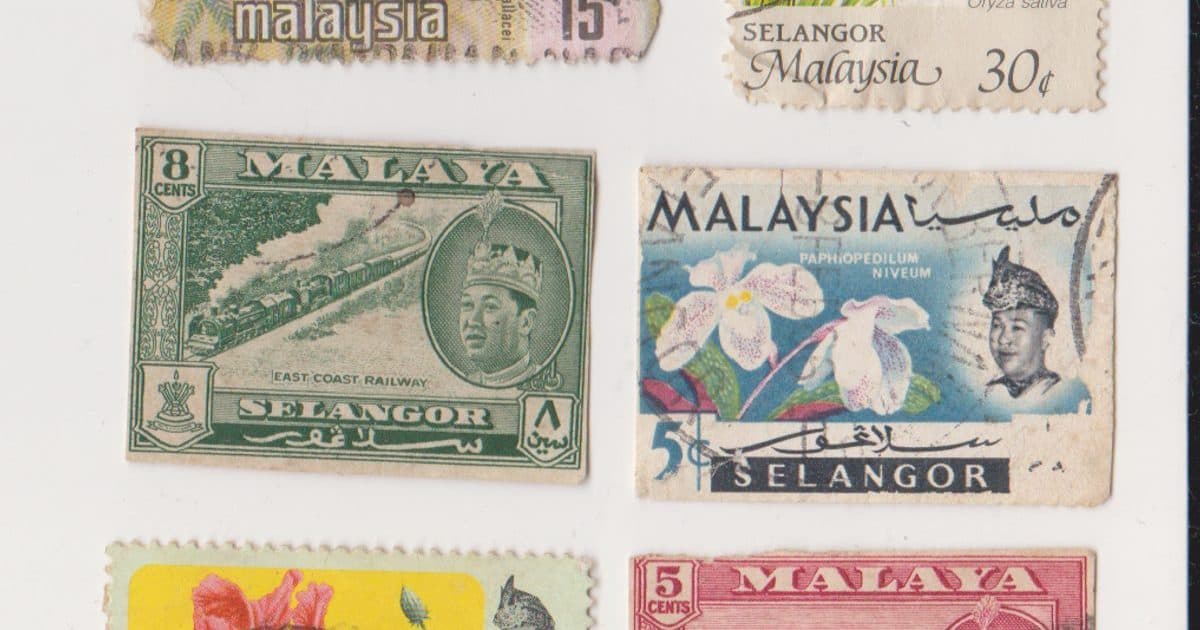
 Froswo / CC BY-SA 4.0
In This Guide
Malaysia's Collecting Scene, A Growing Passion
Collecting in Malaysia has a history stretching back over 150 years, rooted in the diverse cultural heritage of the Malay Peninsula and Borneo. From British colonial administrators who catalogued Straits Settlements stamps to Peranakan families that preserved centuries-old nyonya ceramics, the tradition of preserving material history runs deep. Today, a new generation of collectors has joined the fold, fuelled by social media communities, rising disposable incomes, and a renewed pride in Malaysian identity.
The State of Collecting Today
Malaysia's collector market is arguably the most vibrant in Southeast Asia outside of Singapore. The scene is anchored by a handful of serious institutions and communities:
- The Malaysian Numismatic Society (MNS), founded in 1968, remains the country's premier coin and medal collecting organization
- The Malaysian Philatelic Society coordinates stamp collecting activities and represents Malaysia at international philatelic exhibitions
- Henry Butcher Art Auctioneers and Waddington's Asia (KL office) handle the upper end of the antiques and fine art market
- Facebook groups like Malaysia Coins & Notes Collectors and Malaysia Vintage Toy Collectors have tens of thousands of members each
What Malaysians Collect
| Category | Entry-Level Cost | Investment Potential | Community Size |
|---|---|---|---|
| Coins & medals | RM5-RM50 | High (rare pieces hit RM10,000+) | Very large |
| Banknotes | RM10-RM100 | Very high (scarce notes: RM5,000+) | Large |
| Stamps / First Day Covers | RM1-RM50 | Moderate | Medium |
| Vintage toys (Tamiya, Transformers) | RM50-RM500 | High (G1 Transformers: RM3,000+) | Large |
| Peranakan antiques | RM200-RM5,000 | Very high | Specialist |
| Vinyl records | RM20-RM500 | Moderate | Growing fast |
| Comic books | RM10-RM300 | Moderate | Small but dedicated |
| Malay keris | RM500-RM50,000 | High (antique keris) | Specialist |
Why Collecting Is Growing
Three forces are driving Malaysia's collecting boom:
- Social media discovery, Instagram and TikTok have made vintage items visually aspirational. A rusted Tamiya box or a first-edition Lat comic posted on social media attracts thousands of likes, pulling in new collectors.
- Investment diversification, With property prices elevated and stock markets volatile, tangible collectibles have gained credibility as alternative assets. Rare Malaysian coins have appreciated 15-30% annually over the past decade.
- Heritage pride, The national heritage movement, spurred partly by Malaysia's UNESCO listings, has raised consciousness about preserving cultural artefacts. Young Malaysians are increasingly interested in owning pieces of their national story.
Legal Framework
Collectors should be aware of Malaysia's National Heritage Act 2005 (Akta Warisan Kebangsaan 2005), which governs the export of heritage items. Any object over 100 years old classified as a national heritage item requires an export permit from the Department of National Heritage (Jabatan Warisan Negara). Selling genuine antiques domestically is perfectly legal, it's exporting without permits that creates problems. Always ask dealers for provenance documentation on high-value antique purchases.
Malaysian Coins, From Straits Settlements to Bank Negara
Malaysian numismatics offers one of the richest collecting landscapes in Southeast Asia. The journey spans over 400 years of coinage history, from the gold and tin coins of the Malay sultanates, through British colonial administration, Japanese occupation, post-war federation, and finally the modern Bank Negara Malaysia (BNM) series.
Historical Coinage Timeline
| Era | Key Coins | Typical Price (Good/Fine condition) |
|---|---|---|
| Malay Sultanate (pre-1800) | Gold kupang, tin pitis, cash coins | RM200-RM5,000+ |
| Straits Settlements (1826-1946) | Queen Victoria cents, King Edward dollars | RM30-RM800 |
| Federated Malay States (1906-1935) | 1 cent to 50 cent copper/silver | RM20-RM500 |
| Japanese Occupation (1942-1945) | "Banana money" tokens, military scrip | RM50-RM2,000 |
| Malaya & British Borneo (1952-1961) | Elizabeth II 1 cent to $1 | RM5-RM200 |
| Bank Negara Malaysia Series 1 (1967-) | Parliament $1, Agong portrait coins | RM50-RM2,000+ |
| BNM Commemorative series | Various events & rulers | RM20-RM10,000+ |
Key Dates and Varieties to Hunt
For collectors starting in Malaysian numismatics, certain dates command significant premiums:
- 1967 Parliament $1 coin, The inaugural Bank Negara issue. In Uncirculated (UNC) condition: RM200-RM500. Proof versions: RM800-RM1,500
- 1939 Straits Settlements $1, Last year before the war. Fine condition: RM150-RM400
- 1920 Federated Malay States 50 cents, Low mintage. Fine: RM300-RM600
- 1943 Japanese Occupation 10 cents aluminum, Wartime issue with banana tree reverse. Fine: RM80-RM250
- 1978 Agong Commemorative Gold Coin, Royal portrait in gold. RM2,000-RM5,000 depending on weight
Commemorative Coins
Bank Negara Malaysia has issued commemorative coins since 1971. The Yang di-Pertuan Agong (YDPA) series marking each King's ascension and jubilee anniversaries are the most collected. Look out for:
- Royal Mint commemoratives (often sold directly by BNM's Currency Museum shop)
- ASEAN commemorative sets
- Proof sets issued in limited quantities (typically 2,000-5,000 pieces)
- Bimetallic commemoratives (outer ring in one metal, inner in another)
Proof sets originally retailed at RM100-RM500 now fetch RM300-RM2,000 on the secondary market depending on the subject and year.
Error Coins
Among the most prized Malaysian coins are minting errors, coins that left the mint with defects:
- Double die, Part of the design appears doubled
- Clipped planchet, Coin blank was cut off-centre, resulting in a curved cut
- Off-centre strike, Design is noticeably off-centre
Error coins can command 5-20x the value of a normal example. The community actively documents new finds on the MNS website and Facebook groups.
Where to Buy Coins
- Amcorp Mall Flea Market (Petaling Jaya), Every weekend, Level 1 outdoor area. Dozens of dealers with trays of coins from RM5 upwards
- Jalan Petaling (Chinatown, KL), Several permanent antique shops
- Sungei Wang Plaza, A handful of dealers on lower levels
- KL Coin Fair, Annual event organized by the Malaysian Numismatic Society; typically held at a KL hotel
- Carousell Malaysia, Growing platform for coins; filter by "coins" under collectibles
- eBay Global, For comparing prices; most serious Malaysian sellers ship internationally
Grading Your Coins
The standard grading scale: Poor (P) → Fair (F) → About Good (AG) → Good (G) → Very Good (VG) → Fine (F) → Very Fine (VF) → Extremely Fine (EF/XF) → About Uncirculated (AU) → Mint State (MS) 60-70.
For valuable coins (RM500+), consider professional grading through NGC (Numismatic Guaranty Company) or PCGS (Professional Coin Grading Service). Both have authorized dealers in Malaysia who can submit on your behalf. A slab certification adds credibility and protects the coin.
Malaysian Banknotes, Rare Notes, Serial Numbers & Grading
Malaysian paper currency, or banknote collecting (notaphily), is arguably even more popular than coin collecting in the country, driven by the dramatic visual appeal of historic Malaysian notes and the thrill of finding valuable varieties hiding in everyday circulation.
Historical Banknote Overview
| Series | Period | Notable Features |
|---|---|---|
| Straits Settlements (Government of SS) | 1906-1942 | British colonial design, "Dollar" denomination |
| Japanese Military Administration (JMA) | 1942-1945 | "Banana notes", rapid inflation, most are common |
| Board of Commissioners of Currency Malaya | 1945-1953 | Post-war reconstruction notes |
| Malaya & British Borneo | 1953-1967 | Elizabeth II portrait |
| Bank Negara Malaysia 1st Series | 1967-1982 | YDPA portrait, Parliament, rubber tapper designs |
| BNM 2nd Series | 1982-1995 | King Agong, ringgit denominations |
| BNM 3rd Series | 1996-2012 | Wawasan 2020 design language |
| BNM 4th Series (Current) | 2012-present | Revised Ringgit, security features |
| BNM 5th Series | 2023-present | New designs, enhanced security |
The "Banana Money" Myth
Japanese Military Administration notes (1942-1945) are nicknamed "banana money" because of the banana tree on the 10-dollar note. Contrary to popular belief, many denominations are quite common and fetch only RM5-RM20 in good condition. However, the 1942 $1,000 JMA note is genuinely rare, fine examples sell for RM2,000-RM8,000. Always verify JMA notes with a reference catalogue, as reproductions exist.
What Makes a Banknote Valuable
- Low serial numbers, A1 000001 through A1 000100 on any BNM series typically fetches 3-10x face value
- Solid serial numbers, All digits the same (e.g., AA 1111111). A solid-number RM1 note can be worth RM200-RM500
- Radar notes, Serial reads the same forwards and backwards (e.g., AB 1234321)
- Replacement notes (ZA/ZB prefix), Used when a note in a print run is defective; replacement notes have a ZA or ZB prefix instead of the normal letter combination. These are always scarcer and typically worth 2-5x a regular note
- First prefix (A1, AA, or similar first-run prefix), Commands a premium with serious collectors
- Consecutive pairs/bundles, Uncut sheets or sequential bundles of 100 notes in UNC condition
PMG Grading for Banknotes
For high-value notes (RM300+), grading through PMG (Paper Money Guaranty) gives confidence to buyers. PMG grades run from P-1 (Poor) to GEM UNC 70 (perfect uncirculated). A PMG-graded BNM 1st Series RM50 note in UNC-65 can sell for RM3,000-RM8,000 vs RM500-RM1,000 ungraded.
The BNM Currency Museum
Bank Negara Malaysia operates a free Currency Museum at its KL headquarters complex (Jalan Dato' Onn, KL). The museum houses the most comprehensive collection of Malaysian and pre-Malaysian currency, giving collectors an authoritative reference for identifying and dating their notes. Opening hours: Tuesday-Sunday, 10am-6pm.
Notable Auction Records
- 1898 Government of Straits Settlements $10 (Specimen), RM45,000 (Henry Butcher, 2022)
- 1967 BNM 1st Series RM1,000 UNC PMG-66, RM12,000 (private sale, 2024)
- 1942 JMA $1,000 Note (Fine), RM7,500 (Waddington's Asia, 2023)
Where to Buy and Sell Banknotes
- Amcorp Mall Flea Market, Same dealers as coins, many also carry notes
- Jalan Petaling antique shops, Ask specifically for "duit lama" (old money)
- Facebook group: Malaysia Old Banknotes Collector (50,000+ members)
- Henry Butcher Art Auctioneers (KL), Handles the high end
- Numista.com, International reference site with Malaysian sections
Stamps & Philately, Malaysia's Rich Postal Heritage
Malaysian philately (stamp collecting) has one of the deepest histories in Southeast Asia, owing to the complex patchwork of pre-independence postal administrations, the Straits Settlements, individual Malay states, the Federated Malay States, and the Unfederated Malay States each issued distinct stamps. This complexity is a paradise for collectors.
Pre-Independence Stamp Overview
| Administration | Period | Notable Issues |
|---|---|---|
| Straits Settlements | 1867-1942 | Crown Colony definitives, QV, KEVII, KGV, KGVI |
| Federated Malay States (FMS) | 1900-1935 | Tiger definitives, the iconic "Malayan tiger" series |
| Individual State issues (Selangor, Perak, Johor, etc.) | 1878-1942 | Each state had unique rulers/royal portraits |
| Japanese Occupation overprints | 1942-1945 | Pre-war stamps overprinted with Japanese characters |
| Malayan Union / Federation | 1948-1963 | Transitional period issues |
| Malaysia (post-1963) | 1963-present | Definitive and commemorative series |
The Most Iconic Series
The Federated Malay States Tiger definitives (1900-1935) are arguably the most recognizable Malaysian stamps. The engraved tiger image, designed by Rapkin and Company, appeared on values from 1 cent to $5. A complete set in mint condition can fetch RM800-RM3,000. The rare $5 green and carmine from the early printings is particularly sought after.
Valuable Malaysian Stamps to Look For
- Perak 2 cents orange (1878), One of the first Perak stamps. Mint: RM2,000-RM5,000
- Selangor $5 (1878, first issue), Very rare. Used: RM3,000-RM8,000
- FMS $2 green/carmine (1907), Mint NH: RM400-RM1,200
- Japanese Occupation Selangor overprints on KGVI, Prices vary wildly; always verify with Scott Catalogue
- Malaysia Independence 1957 Commemorative, Complete set mint: RM50-RM150
First Day Covers (FDCs)
First Day Covers (FDCs), envelopes franked with new stamps on their first day of issue, are popular in Malaysia and relatively affordable for newer issues. Pos Malaysia typically releases FDCs for all commemorative issues, and dedicated philatelic counters are available at major post offices (notably the main GPO in KL's Dayabumi Complex). FDCs from the 1970s-1980s in good condition: RM5-RM80 depending on the subject and franking.
Pos Malaysia Philatelic Products
Pos Malaysia maintains an active philatelic programme. You can subscribe to automatic first-day cover delivery, purchase stamp booklets, and acquire limited-edition miniature sheets. The Pos Malaysia Philatelic Bureau (formerly at Kompleks Dayabumi) handles wholesale orders for collectors.
Key annual releases include the Chinese New Year series, Hari Merdeka commemoratives, wildlife series, and the ongoing Malaysian Heritage definitives.
The Malaysian Philatelic Society (MPS)
The MPS (established 1937, one of Southeast Asia's oldest philatelic societies) organizes:
- Annual Malaysia International Stamp Exhibition (MALPEX), a major regional event drawing exhibitors from across Asia
- Regular club meetings in KL and Penang
- Expert certification for questionable stamps
Membership is open to all; annual fee is modest (approximately RM80). The society also publishes a regular journal and maintains a reference library.
Grading and Authentication
The condition of stamps is described on a scale of Poor → Fair → Good → Very Good → Fine → Very Fine → Superb (or similar variants). Key factors: centering, gum condition (OG = original gum, NH = never hinged, H = hinged), perforations, colour freshness. Forgeries of the more valuable pre-war Malayan stamps exist, always buy from reputable dealers or get expert certificates for items over RM500.
Where to Buy Stamps
- Amcorp Mall Flea Market, Several stamp dealers set up regularly
- Jalan Parlimen (near National Museum), Occasional stamp fairs
- Philatelic counters at major post offices (KL GPO, Penang GPO)
- Stanley Gibbons (international), Reference catalogues are essential; SG Commonwealth Catalogue covers all Malaysia
- MALPEX, Best place to meet specialist dealers and find obscure items
Vintage Toys, Tamiya, Transformers, Board Games & Retro Gaming
For many Malaysians who grew up in the 1980s and 1990s, vintage toys evoke some of the strongest memories. The collecting scene for Malaysian vintage toys has exploded over the past decade, driven partly by nostalgia, partly by genuine investment value, and partly by the sheer fun of owning pieces of childhood history.
Tamiya Mini 4WD, Malaysia's Obsession
If there is one vintage toy category uniquely huge in Malaysia, it is Tamiya Mini 4WD. In the early 1990s, the small motorized racing cars (powered by AA batteries) became a nationwide phenomenon. Boys lined up at hobby shops after school to race their customized Avante, Hotshot II, and Manta Ray on tabletop circuits. At its peak, every major shopping mall had a Mini 4WD circuit.
Today, first-release Tamiya Mini 4WD kits from 1991-1997 with intact boxes command strong prices:
| Model | Year | Current Value (Boxed) |
|---|---|---|
| Avante Mk II (first release) | 1991 | RM300-RM800 |
| Hotshot II | 1992 | RM250-RM600 |
| Manta Ray | 1994 | RM200-RM500 |
| Blazing Sun | 1996 | RM150-RM350 |
| Pro-set circuit sets (boxed) | 1993-1997 | RM300-RM1,500 |
Loose, played-with examples sell for a fraction of these prices, but the real premium is for factory sealed (MISB, Mint In Sealed Box) examples. A sealed first-edition Avante Mk II in perfect box condition can exceed RM1,000.
Transformers Generation 1 (G1)
Transformers G1 toys (1984-1990, Hasbro/Takara) were sold in Malaysia through toy stores and pasar malam. Malaysian market examples sometimes have unique sticker variations or box printing differences that command premiums from specialist collectors. Common G1 Autocar leaders:
- Optimus Prime (G1, 1984), Loose complete: RM800-RM2,000; boxed: RM3,000-RM8,000
- Grimlock (Dinobot), Loose: RM400-RM1,000
- Soundwave with cassettes, Loose complete: RM600-RM1,500
- Jetfire (Malaysian market version), Premium due to rarity
Saidina, Malaysian Monopoly
Saidina is essentially Malaysian Monopoly, replacing London properties with Malaysian ones (Jalan Ampang, Jalan Sultan Ismail, etc.). Early editions from the 1970s-1980s are sought after by board game collectors. Original 1970s Saidina boxes in good condition with all pieces: RM150-RM400.
Retro Video Games
Malaysia was a significant market for Famicom clones, Game Boy, and early PlayStation:
- Original Famicom/NES cartridges, Popular Malaysian-market games (Contra, Mega Man, Ninja Gaiden) in boxes: RM80-RM300 each
- Game Boy (original DMG-01) with Malaysian games, RM150-RM400
- PlayStation 1 (original, SCPH-1000 early series), Boxed in good condition: RM300-RM600
Traditional Toy Collecting, Gasing
The Malay spinning top (gasing) is a traditional game with roots going back centuries, but the craft tops made by village artisans, turned from hard tropical wood and weighted with lead, have become collectors' items. A master-crafted antique gasing from Kelantan or Johor can fetch RM500-RM2,000, while decorative modern gasing made for show (not play) sell at craft fairs for RM50-RM200.
Where to Find Vintage Toys
- Amcorp Mall Flea Market, The single best source every weekend. Arrive early (before 9am) for first pick.
- Facebook Marketplace and Carousell, Search "Tamiya vintage", "G1 Transformers Malaysia", "mainan lama"
- Toy cons and retro fairs, Increasingly common in KL (check Malaysia Toy Con Facebook page)
- Jalan Petaling and Petaling Street area, Some shops carry old stock
- Pasar malam, Occasional finds at weekend night markets, though quality is inconsistent
Antiques & Art, Peranakan Treasures, Keris, Textiles & More
Malaysia's antiques market reflects its extraordinary cultural complexity. Peranakan (Straits Chinese) ceramics, Malay royal regalia, Indian temple artefacts, and colonial-era European furniture all circulate in the Malaysian market. For the serious collector, this diversity is both the appeal and the challenge.
Peranakan (Nyonya Nonya) Antiques
The Peranakan or Straits Chinese community, descendants of Chinese immigrants who settled in Penang, Melaka, and Singapore from the 15th century onwards, produced some of Southeast Asia's most exquisite decorative arts. Peranakan antiques are among the most actively traded category in Malaysia.
Peranakan Ceramics: The hallmark Peranakan item is the Nyonya ware or Peranakan porcelain, Chinese-made ceramic pieces ordered by Straits Chinese families and characterized by intricate phoenix, peony, and butterfly motifs in vivid pinks, greens, and yellows. Key pieces:
- Nyonya stem cup (small): RM200-RM800
- Straits Chinese condiment set (4-piece): RM1,500-RM5,000
- Large Nyonya punch bowl with original motifs: RM3,000-RM15,000
- Rare Famille Rose Peranakan pieces: RM10,000-RM100,000+
The top market for Peranakan ceramics is in Penang and Singapore. In Malaysia, the best concentrations of dealers are in Georgetown (Armenian Street) and Melaka (Jonker Street). Always buy with a certificate of authenticity from reputable dealers.
Peranakan Furniture: Heavy rosewood furniture decorated with mother-of-pearl inlay is quintessentially Peranakan. A full set of antique Peranakan carved day bed (opium couch) and side tables can fetch RM20,000-RM80,000 at KL auction houses. More accessible pieces like Peranakan decorative mirror frames (RM500-RM3,000) and carved wooden panels (RM200-RM1,500) are common at Melaka antique shops.
Malay Keris
The keris is arguably the most iconic Malay artefact, a ceremonial dagger with a wavy or straight blade, distinctive carved hilt (hulu), and wooden or metal sheath (sarung). Keris collecting is a specialist field with its own vocabulary and grading criteria:
- Blade (bilah), Dapur (shape pattern, of which there are over 100 named varieties) and pamor (inlaid pattern in the metal from different iron ores)
- Hilt (hulu), Carved from ivory, buffalo horn, hard wood, or precious metals; the most valuable are royal ivory hilts
- Sheath (sarung), Can be plain wood (sarung kayu) to elaborate silver-mounted (sarung perak)
Price ranges:
- Modern reproduction keris: RM100-RM500
- 20th century working keris (complete): RM500-RM2,000
- Antique 19th century keris with good pamor: RM3,000-RM15,000
- Royal-quality antique keris with ivory hilt and silver sarung: RM20,000-RM100,000+
The Keris Malaysia Collectors Club on Facebook is the best online community. For physical dealers, the National Museum (Muzium Negara) gift shop sells reproduction keris, while serious antique dealers in Amcorp Mall and Melaka carry genuine antiques.
Traditional Textiles
- Songket, The royal Malay weaving tradition of silk cloth interwoven with gold or silver threads. Antique songket (pre-1950s) from Terengganu or Kelantan: RM500-RM5,000 per piece. Contemporary songket by master weavers: RM200-RM1,500
- Vintage batik, Hand-drawn batik (batik tulis) from the 1950s-1970s, especially from Kelantan and Johor: RM50-RM500 per piece. Antique Javanese batik pieces found in Malaysia: RM200-RM2,000
- Pua kumbu, Traditional Iban woven ceremonial cloth from Sarawak. Old pua kumbu (pre-1960) with complex mythological motifs: RM2,000-RM20,000
Where to Buy Antiques in Malaysia
- Jonker Street, Melaka, The most concentrated antique shopping street in Malaysia. Dozens of shops along Jalan Hang Jebat, particularly active during the weekend night market (Friday-Sunday, from 5pm)
- Armenian Street (Jln Armenia), Georgetown, Penang, Peranakan-focused antique shops and galleries
- Amcorp Mall antique section, Year-round dealers on weekends
- Henry Butcher Art Auctioneers (KL), 2 Jalan Utama, off Jalan Ipoh. Monthly and periodic auctions, bi-annual major sales
- Waddington's Asia, KL office handles Southeast Asian antiques and tribal art
- Curio cabinet shops, Jalan Masjid India (KL), Traditional South Indian and Malay decorative items
Where to Buy & Sell, Markets, Shops, Auctions & Online
Knowing where to look is half the battle in collecting. Malaysia has an excellent infrastructure for buying and selling collectibles, from legendary flea markets to sophisticated auction houses.
Amcorp Mall Flea Market (Petaling Jaya)
Without question the most important weekly marketplace for Malaysian collectors. Located at Amcorp Mall, Jalan Persiaran Barat, Petaling Jaya, the flea market sets up every weekend (Saturday and Sunday) from approximately 8am to 5pm in the outdoor Level 1 car park area and some indoor corridors.
What you'll find: coins and banknotes (most prominent category), stamps, vintage watches, old postcards and photographs, Straits Settlements ceramics, vintage toys, vinyl records, old books and magazines, military memorabilia, and much more. Prices are negotiable, opening prices are almost always inflated by 30-50%.
Tips for Amcorp Mall:
- Arrive early: serious collectors are there by 8-8:30am; by 11am the best items are gone
- Bring small notes (RM10, RM20); dealers often claim they have no change for large notes
- Build a relationship with regular dealers, they'll hold items for you
- Monday is when dealers often list their weekend haul on Carousell and Facebook
Jonker Street, Melaka (Jalan Hang Jebat)
Malaysia's most famous antique street, the Jonker Street / Jonker Walk area in Melaka's UNESCO heritage zone is lined with antique shops, most specializing in Peranakan ceramics, colonial furniture, and Melaka-specific heritage items. Weekday hours (10am-6pm) are best for serious buying; the Jonker Night Market (Friday-Sunday, 6pm-midnight) is more tourist-oriented but still has collectible stalls mixed with food vendors. Key shops: Wah Aik, Mr. Antique, Baba & Nonya Heritage.
Armenian Street, Georgetown, Penang
The historic heart of Penang's antique trade, Jalan Armenian (Lebuh Armenia) and the surrounding streets in Georgetown's heritage zone have 20+ antique shops. Penang's Peranakan community was larger than Melaka's and the ceramic collections here can be exceptional. The annual Penang Antique Fair (usually March or April) draws regional dealers. Neighbouring streets, Lebuh China (China Street), Lebuh Pantai, also have concentrations of dealers.
Sungei Wang Plaza (Kuala Lumpur)
The lower floors of Sungei Wang Plaza (Jalan Bukit Bintang, KL) host a cluster of collectibles dealers, including coin shops (level basement/ground). The mall has been declining commercially but the collectibles shops are a fixture.
Online Platforms
| Platform | Strength | Tips |
|---|---|---|
| Carousell Malaysia | Coins, banknotes, vintage toys | Filter by "Collectibles" category; use keyword "lama" (old) |
| Facebook Marketplace | Wide range, less curated | Use groups rather than Marketplace for specialist items |
| Mudah.my | Local second-hand | Good for bulkier items (furniture, large toys) |
| eBay (global) | International benchmark | Good for price research even if not buying locally |
| Shopee/Lazada | Limited for genuine antiques | Mainly for reproduction items and new collector supplies |
Key Facebook Groups
- Malaysia Coins & Notes Collectors (100,000+ members)
- Vintage Toys Malaysia (30,000+ members)
- Malaysia Old Banknotes Collector (50,000+ members)
- Keris Malaysia Collectors Club
- Malaysia Vinyl Records Collectors
- Antik & Koleksi Malaysia (general)
- Malaysian Philatelic Society (official MPS page)
Auction Houses
For high-value items (coins, antiques, fine art):
- Henry Butcher Art Auctioneers, 2 Jalan Utama, off Jalan Ipoh, Kuala Lumpur. Long-established Malaysian auction house. Holds major sales 3-4 times a year. Online bidding available.
- Waddington's Asia (KL), Branch of the Canadian auction house. Handles Southeast Asian tribal art, Peranakan antiques, vintage posters.
- International auctions, Christie's and Sotheby's (Singapore) regularly include Malaysian items; Heritage Auctions (USA) has a strong Malaysian numismatic section
Authentication, Grading & Protecting Your Collection
As the Malaysian collectibles market grows, so does the sophistication of fakes and reproductions. Learning to authenticate items, or knowing when to seek professional help, is essential for any serious collector.
Common Fakes in the Malaysian Market
Coins: The most commonly faked Malaysian coins are:
- Straits Settlements dollars, Cast reproductions in silver-plated base metal; check the weight (genuine: 26.96g), edge reeding, and the "granularity" of surfaces under magnification
- Early Malay sultanate gold coins, Fakes made from base metal with gold plating exist; a touchstone test or XRF analysis is needed for certainty
- First-edition Bank Negara proof coins, Polished regular coins are sometimes passed off as proofs; genuine proofs have mirror-bright fields and frosted devices
Banknotes: The main authentication concerns:
- Japanese Occupation notes, High-quality photocopies exist; check under UV light (genuine notes often fluoresce differently or have embedded fibres)
- Early BNM high-denomination notes, Some are chemically cleaned or "pressed" to appear better than they are; professional PMG grading gives confidence
- Altered serial numbers, Low or fancy serial numbers have been forged by altering digits; look for ink colour consistency and microscopic examination
Peranakan ceramics: The Chinese reproduction industry has become extremely sophisticated. Modern fakes of Nyonya ware are made in Jingdezhen using old moulds and artificial ageing. Tests: look at the foot rim (genuine antiques show wear patterns consistent with age), check with UV light (modern glazes fluoresce differently), and weigh the piece (modern reproductions often feel lighter).
Professional Grading Services
For coins and banknotes, professional "slabbing" (encapsulating in a tamper-evident holder with a grade) is the gold standard:
- NGC (Numismatic Guaranty Company) and PCGS (Professional Coin Grading Service), Both grade Malaysian coins. Authorized dealers in KL can submit on your behalf. Cost: USD15-USD50 per coin plus dealer fee; typically RM100-RM200 total per coin
- PMG (Paper Money Guaranty), For banknotes. Same process. PMG-graded Malaysian notes sell at significant premiums on auction sites
For stamps, the Malaysian Philatelic Society offers expertizing services for members. For antiques without a professional service, reputable dealers will usually provide letters of authenticity.
Insurance for Collections
A serious collection should be insured. Standard home contents insurance typically does NOT adequately cover collections. Options in Malaysia:
- Specialist collectibles riders on home insurance, Ask your insurer to add a "scheduled items" endorsement listing your collection with appraised values
- Allianz, AXA, Zurich (available in Malaysia) offer collectibles riders; typically 0.5-1.5% of declared value per year
- Safe deposit box at banks, For the most valuable pieces; annual rental RM100-RM500 depending on box size
Appraisers in Malaysia
For items valued over RM2,000, consider a formal appraisal:
- Malaysian Numismatic Society, Can recommend members qualified to appraise coins and medals
- Malaysian Institute of Valuers and Property Consultants (BOVAEA), Not typical for collectibles but can be relevant for antique property items
- Established auction houses (Henry Butcher, Waddington's) will often do informal assessments for free if you're consigning; formal appraisals cost RM100-RM500
Proper Storage and Preservation
- Coins: Store in acid-free flips (2x2 holders), slabs, or proper numismatic boxes. Never clean coins, even a gentle polish can reduce value by 50-80%. Avoid PVC flips (soft plastic), which leach chemicals over time.
- Banknotes: Mylar or polypropylene currency sleeves; store flat in archival binders or in a slab. Avoid rubber bands and paper clips.
- Stamps: Glassine envelopes, Hagner stock sheets, or Stanley Gibbons Lighthouse pages. Store in a cool, dry place away from light.
- Textiles and antiques: Maintain 45-55% relative humidity and 18-22°C if possible. Avoid direct sunlight. Acid-free tissue paper for folded textiles.
Vinyl Records & Comics, Malaysia's Growing Niche Markets
Two collecting categories that have seen explosive growth in Malaysia over the past decade are vinyl records and comic books, both driven by younger collectors seeking tangible connections to cultural history.
Vinyl Records in Malaysia
Malaysia had an active local recording industry from the 1950s onwards, and the vinyl records produced during this era, particularly Malay pop (pop yeh yeh), early Malaysian rock, P. Ramlee film soundtracks, and regional jazz, have become highly collectible.
Key Malaysian vinyl categories:
| Genre/Era | Key Artists | Typical Value |
|---|---|---|
| P. Ramlee soundtracks (1950s-60s) | P. Ramlee | RM80-RM500 |
| Pop yeh yeh (1960s-70s) | Kugiran Syed Amin, The Strangers | RM50-RM300 |
| Early Malaysian rock (1970s-80s) | Search, Wings, Sweet Charity | RM30-RM200 |
| Malaysian Chinese pop (1970s-80s) | Various (Philips/EMI Malaysia) | RM20-RM150 |
| Imported Western jazz/rock | Beatles, Led Zeppelin (Malaysian pressings) | RM100-RM1,000+ |
Malaysian pressings of international albums can command premiums because collectors worldwide seek country-specific variants. A Malaysian first-pressing Beatles "Please Please Me" (Parlophone/EMI Malaysia) in near-mint condition: RM800-RM2,000.
Where to find vinyl in Malaysia:
- Amcorp Mall, Several regular vinyl dealers at the flea market; also a couple of permanent record shops on upper floors
- Record shops in KL: Greedhead Records (Publika), Tandang Store (Kuala Lumpur), No Black Tie (occasionally holds vinyl fairs)
- The Record Barn Malaysia (Facebook/Instagram), Regular pop-up events
- Carousell Malaysia, Search "vinyl lama", "piring hitam lama"
Malaysian Comic Books
Malaysia has a modest but passionate comic book collecting community focused on two streams: international superhero comics (DC/Marvel) from the 1970s-1990s in the Malaysian market, and local Malay-language comics.
Local Malaysian comics:
- Gila-Gila (launched 1978), Malaysia's longest-running humour comic magazine, modelled on MAD Magazine. Early issues (1978-1985) in good condition: RM10-RM80 each
- Ujang (1990-2010), Another popular humour comic. Back issues: RM5-RM30
- Lat's comics, Lat (Datuk Mohammad Nor Khalid) is Malaysia's most famous cartoonist. First editions of Kampung Boy (1979) and Town Boy (1980) are highly sought: first-print hardcovers in fine condition: RM200-RM500. Signed copies command double these prices.
- Wira and other action comics, Malay superhero/action comics from the 1990s: RM5-RM50 each
International comics:
The Malaysian market received English-language comics through British and American distribution. Key pieces: early X-Men, Spider-Man, and Fantastic Four comics from the 1970s in Malaysian-market distribution are sometimes found with local newsagent stamps.
Record Fairs and Comic Events
- Pesta Buku Antarabangsa Kuala Lumpur (KL International Book Fair), Held annually at PWTC; occasional collectible book and comic dealers
- Malaysia Toy Con, Growing annual event with a comic and vinyl section
- Local vinyl fairs, Check Greedhead Records and No Black Tie social media for event announcements
Collector Communities, Societies, Events & Finding Your Tribe
One of the pleasures of collecting is the community it creates. Malaysia has active collector communities across all categories, ranging from venerable societies founded in the 1930s to lively WhatsApp groups with thousands of daily messages.
Key Organizations
Malaysian Numismatic Society (MNS)
Founded 1968. The premier body for coin, medal, and banknote collectors. Membership (~RM80/year) gives access to the MNS library, monthly meetings in KL, annual KL Coin Fair participation, and the MNS Journal. Website: mns.org.my
Malaysian Philatelic Society (MPS)
Founded 1937, one of the oldest cultural societies in Malaysia. Regular meetings in KL, annual MALPEX (Malaysia International Stamp Exhibition), and an expertizing service. Membership approximately RM80/year.
Persatuan Numismatik Malaysia (PNM)
A second numismatic society with particularly strong Johor and southern Malaysia membership. Active forum on Facebook.
Perkumpulan Pencinta Warisan (Heritage Lovers Society)
Focuses on traditional Malay arts including keris, textiles, and ceremonial objects.
Annual Events Calendar
| Event | Typical Month | Location | Focus |
|---|---|---|---|
| KL Coin Fair (MNS) | March-April | KL hotel (varies) | Coins, medals, banknotes |
| MALPEX Stamp Exhibition | October-November | PWTC or similar | Stamps, postal history |
| Amcorp Mall CNY Antique Fair | January-February | Amcorp Mall, PJ | All categories |
| Penang Antique Fair | March | Georgetown, Penang | Antiques, Peranakan |
| Malaysia Toy Con | October | KLCC or similar | Vintage toys, comics, vinyl |
| Henry Butcher major auctions | April, October | Henry Butcher HQ, KL | Fine art, antiques, coins |
| KL Vinyl Fair | Quarterly | Varies (Publika, etc.) | Vinyl records |
Online Communities
Facebook remains the dominant platform for Malaysian collector communities. Top groups:
- Malaysia Coins & Notes Collectors, largest numismatic group (~100K members)
- Malaysia Old Banknotes Collector, specialist banknotes (~50K members)
- Antik & Koleksi Malaysia, general antiques (~40K members)
- Vintage Toys Malaysia, toys and nostalgia (~30K members)
- Malaysia Vinyl Records Collectors, vinyl community (~15K members)
- Keris Malaysia Collectors Club, keris and traditional weapons (~10K members)
WhatsApp Groups
For more immediate buy/sell activity, dedicated WhatsApp groups exist for coins, banknotes, and stamps. These are usually invitation-only, the best way to get in is through Facebook group admins or by attending the Amcorp Mall flea market and introducing yourself to dealers.
YouTube and TikTok
A growing number of Malaysian collectors document their finds on YouTube and TikTok. Search "duit lama Malaysia", "setem lama Malaysia", or "barang antik Malaysia" for local content creators showing valuations and buying guides.
Connecting with Dealers
Building relationships with reputable dealers is invaluable. The best dealers at Amcorp Mall and Jonker Street:
- Will alert you to items in your area of interest before publicly listing
- Provide informal education about authenticity
- Often have "back room" stock not displayed at the market
- Can connect you with private sellers
Treat dealers as collaborators, not adversaries. Fair prices and loyalty create long-term relationships that benefit collectors enormously.
The Road Ahead: Why Malaysia's Collecting Scene Is Set to Shine
These are forward-looking predictions, not guarantees, but every signal points to Malaysian collecting entering a golden era. Here is where we see the hobby heading toward 2030 and beyond.
Malaysia becomes Southeast Asia's collecting hub. With Singapore's costs rising and KL's central position, expect Kuala Lumpur to host more regional fairs, auctions, and dealer networks. By 2028, a flagship pan-ASEAN collectibles expo in KL feels almost inevitable, drawing buyers from across the region to Amcorp Mall's spiritual home turf.
Digital provenance goes mainstream. As verification tech matures, expect Malaysian dealers to adopt QR-linked certificates and blockchain-backed provenance for high-value coins, banknotes, and Peranakan antiques. This will crush the fakes problem and give new collectors the confidence to buy bigger, pushing the whole market upward.
Collectibles cement their place as a real asset class. Rare Malaysian coins and Peranakan ceramics have quietly outperformed many traditional investments. By the late 2020s, expect more Malaysians to treat curated collections as portfolio diversifiers, easily funded by sourcing pieces on Shopee and Lazada, with ShopBack cashback softening the cost of every acquisition.
A young, digital-native generation supercharges demand. TikTok and Instagram have already turned vintage Tamiya and Lat first-editions into aspirational objects. Expect this momentum to compound, more creators, more livestream auctions, and more first-time collectors entering the hobby every single year.
Heritage pride lifts the whole market. As Malaysia's UNESCO sites and national heritage push gain visibility, demand for songket, keris, and Nyonya ware will deepen. Rising appreciation means rising prices and a far more liquid market for genuine pieces.
Grading and authentication services localize. Expect NGC, PCGS, and PMG to expand their Malaysian footprint, making professional slabbing faster and cheaper, a quiet but powerful driver of confidence and value.
The future of Malaysian collecting looks bright, deep, and increasingly world-class, there has never been a better time to start hunting for treasure.
Practical Tips, Starting Out, Storage, Investment & Legal Considerations
Whether you're just starting your first coin collection or considering insuring a significant antiques portfolio, here is practical guidance tailored to Malaysian collectors.
Starting a Collection on a Budget
The most common mistake new collectors make is trying to collect too broadly. Start with a defined focus, one era, one category, one denomination. Suggested starting points for RM500 or less:
- Coins: Buy a small album and 30-40 circulated Malaysian coins spanning 1967-2010. Total cost: RM50-RM150 at Amcorp Mall. This builds pattern recognition before spending serious money.
- Stamps: A kiloware lot (mixed used stamps by weight) costs RM20-RM50 and contains hundreds of stamps for sorting. Add a Stanley Gibbons Commonwealth catalogue (RM80-RM150 at major bookstores) as your reference.
- Banknotes: Circulated BNM 2nd and 3rd series notes can be found in RM5-RM20 range per note. Building a "type set" (one example of each denomination from each series) is an achievable entry goal.
- Vintage toys: Loose (no box), played-with examples of Tamiya Mini 4WD or G1 Transformers start from RM30-RM100. This lets you handle genuine items and learn quality markers before investing in boxed examples.
Storage and Preservation Basics
| Item Type | Recommended Storage | Avoid |
|---|---|---|
| Coins | Acid-free 2x2 holders, Quadrum capsules | PVC soft flips, touching surfaces |
| Banknotes | Mylar/polypropylene sleeves | Rubber bands, heat exposure |
| Stamps | Glassine envelopes, Hagner stock pages | Sunlight, high humidity |
| Antiques/ceramics | Padded display cabinets, silica gel | Stacking without protection |
| Textiles | Acid-free tissue paper, roll (don't fold) | Plastic bags, damp |
| Vinyl | Poly-lined inner sleeves, stored upright | Horizontal stacking, heat |
Investment Considerations
Malaysian collectibles have shown strong appreciation, particularly in numismatics and Peranakan ceramics. However, collecting purely for investment has pitfalls:
- Liquidity is limited, Unlike shares, you cannot sell a coin in seconds. Finding the right buyer may take months.
- Knowledge premium, The highest returns go to collectors with deep expertise who can identify undervalued pieces. Purely speculative buying rarely outperforms.
- Condition is everything, A coin in EF condition might be worth 5-10x more than the same coin in VF. Investment buying requires absolute clarity on condition.
- Provenance matters, For antiques especially, documented provenance (ownership history) significantly increases value and saleability.
Suggested allocation: treat the first RM5,000 spent on a collection as pure education spending. After that, a well-curated, condition-focused collection in a single specialist area has historically outperformed general market returns in Malaysia.
Legal Considerations
- Heritage Act 2005, Objects over 100 years old with heritage classification require an export permit. Buying and selling within Malaysia is legal; check with the Jabatan Warisan Negara (Department of National Heritage, heritage.gov.my) before attempting to export antiques.
- Import of collectibles, Importing coins and stamps is generally unrestricted. Importing antique weapons (including keris antique) requires permits.
- GST/SST, Collectibles transactions are generally exempt from SST in Malaysia, but check current guidelines with the Royal Malaysian Customs Department for high-value items.
- Estate planning, A significant collection should be documented for estate purposes. Include your collection in your will or amanah (trust) with a current valuation. The Malaysian Numismatic Society can recommend qualified appraisers.
The Five Rules of Malaysian Collecting
- Buy the best condition you can afford, A single EF coin beats ten VG examples for both enjoyment and long-term value
- Document everything, Keep receipts, photos, and any provenance records. This is essential for insurance and eventual resale
- Build dealer relationships, Your best finds will come from dealers who know your interests
- Never clean anything, A cleaned coin or ceramic loses 50-80% of its value and can never be un-cleaned
- Join the community, The Malaysian Numismatic Society, MPS, and Facebook groups will accelerate your learning by years
Sources & References
Data in this guide is cross-referenced against the following official sources.
- Bank Negara Malaysia, Currency Museum Currency history, commemorative coins, banknote series
- Pos Malaysia Stamp releases, First Day Covers, philatelic products
- National Heritage Department Antique export regulations, Heritage Act 2005
- Malaysian Numismatic Society Coin collecting community, grading standards, events
- National Museum (Muzium Negara) Historical artefacts, Malay heritage collections