
Important Note: This guide is for educational purposes only. Foreigners in Malaysia should avoid political involvement and respect local laws regarding speech, assembly, and criticism of the monarchy. Violations can result in arrest, prosecution, and deportation.
In This Guide
Political System Overview
Malaysia operates as a federal constitutional monarchy with a parliamentary democracy, a unique system that blends traditional Malay sultanate heritage with modern democratic governance. Understanding this political framework is essential for visitors and expats who want to comprehend the social dynamics, news coverage, and cultural context of this diverse nation.
The Constitutional Framework:
Malaysia's constitution, adopted at independence in 1957 and amended when Sabah, Sarawak, and Singapore joined in 1963, establishes the fundamental structure of government. The constitution is considered the supreme law of the land and outlines the separation of powers between the executive, legislative, and judicial branches while preserving the special position of the Malay rulers and the rights of Malays and other indigenous peoples.
The constitution enshrines Islam as the official religion while guaranteeing freedom of religion for non-Muslims. It also establishes Malay as the national language, though English remains widely used in business and higher education. These constitutional provisions reflect the delicate balance between majority Malay-Muslim interests and the multicultural reality of Malaysian society.
Key Political Facts:
| Aspect | Details |
|---|---|
| System | Federal Constitutional Monarchy |
| Head of State | Yang di-Pertuan Agong (King) |
| Head of Government | Prime Minister |
| Legislature | Bicameral Parliament |
| States | 13 states + 3 federal territories |
| Voting Age | 18 years (lowered from 21 in 2019) |
| Electoral System | First-past-the-post |
| Term Length | Maximum 5 years per parliament |
Parliamentary Democracy:
Malaysia practices the Westminster parliamentary system inherited from British colonial rule. The Prime Minister must command the confidence of the majority in the Dewan Rakyat (House of Representatives) and is typically the leader of the largest party or coalition. Unlike presidential systems, the Prime Minister can be replaced mid-term if they lose parliamentary majority, as has happened several times in recent Malaysian history.
The system features strong party discipline, with members of parliament typically voting along party lines. Crossing the floor (switching parties) has been a controversial issue, leading to the passage of anti-hopping laws in 2022 that restrict elected representatives from switching parties without triggering by-elections.
Current Political Situation (2024-2026):
Malaysia is currently governed by the Unity Government (Kerajaan Perpaduan), formed after the hung parliament result of the November 2022 general election. This unprecedented coalition brings together former rivals:
- Prime Minister: Anwar Ibrahim (PKR/Pakatan Harapan)
- Deputy Prime Minister: Ahmad Zahid Hamidi (UMNO/Barisan Nasional)
- Coalition partners: Pakatan Harapan, Barisan Nasional, GPS (Sarawak), GRS (Sabah)
The government's focus areas include economic reform, anti-corruption measures, subsidy rationalization, and promoting national unity across ethnic and religious lines.
The Monarchy: Yang di-Pertuan Agong and Sultans
Malaysia's monarchy system is unique in the world - a rotating federal kingship among nine hereditary state rulers. Understanding this institution is crucial as the monarchy remains deeply respected and legally protected in Malaysian society.
The Yang di-Pertuan Agong (King):
The Yang di-Pertuan Agong, often referred to as the Agong or King, is the constitutional monarch and head of state of Malaysia. The position is unique because it rotates every five years among the nine hereditary Malay rulers, following a predetermined order established by the Conference of Rulers.
The Rotation System:
The nine states with hereditary rulers are: 1. Perlis 2. Kedah 3. Perak 4. Selangor 5. Negeri Sembilan 6. Johor 7. Pahang 8. Terengganu 9. Kelantan
Each ruler takes a turn being King, cycling through the list. This system prevents any single royal house from dominating and maintains balance among the Malay states. The current rotation order was established in 1957 and modified slightly over the years.
Constitutional Role of the King:
The Agong's powers are largely ceremonial but constitutionally significant:
- Head of State: Represents Malaysia domestically and internationally
- Commander of Armed Forces: Supreme commander of the Malaysian Armed Forces
- Head of Islam: Religious head for the Federal Territories, Penang, Melaka, and Sabah/Sarawak
- Constitutional Functions: Appoints the Prime Minister, dissolves parliament, grants pardons
- Guardian of Malay Customs: Protector of Malay rights and privileges
Discretionary Powers:
While most functions are ceremonial, the Agong has discretion in several matters: - Appointing the Prime Minister (must be someone who commands majority) - Refusing to dissolve parliament if requested by PM - Withholding consent to legislation (rarely exercised) - Convening the Conference of Rulers
These discretionary powers became significant during political crises, such as in 2020 when the Agong played a key role in resolving the Sheraton Move political crisis.
The Conference of Rulers:
The Conference of Rulers (Majlis Raja-Raja) is a council comprising all nine hereditary rulers plus the four governors of states without royalty. It meets three to four times per year and has several important functions:
- Elects the Yang di-Pertuan Agong and Deputy
- Must consent to constitutional amendments affecting royal privileges
- Advises on religious matters
- Deliberates on matters of national policy
State Sultans and Rulers:
Each of the nine royal states has its own hereditary ruler with varying titles: - Sultan (Selangor, Perak, Pahang, Johor, Kedah, Kelantan, Terengganu) - Raja (Perlis) - Yang di-Pertuan Besar (Negeri Sembilan - elected by territorial chiefs)
State rulers have significant roles within their states: - Head of Islam for their state - Head of Malay custom and tradition - Appoint the state's Chief Minister (Menteri Besar) - Can dissolve state assemblies
Royal Households and Modern Malaysia:
Malaysian royalty maintains considerable influence despite constitutional limitations: - Extensive business interests and wealth - Social and philanthropic activities - Cultural and ceremonial importance - Occasional political interventions during crises
The royal families are generally popular, with many Malaysians viewing them as protectors of Malay interests and national heritage. However, some rulers have faced criticism for perceived excesses or controversial statements.
Legal Protections:
Criticizing the monarchy is a serious offense in Malaysia: - Sedition Act covers statements that bring into hatred or contempt any ruler - Penalties include imprisonment - These laws apply to foreigners as well - Social media posts are actively monitored
Advice for Visitors:
- Show respect when discussing royalty
- Stand during the national anthem and royal anthem
- Never criticize the monarchy publicly or on social media
- Be aware during royal events and ceremonies
- Royal motorcades have right of way on roads
Government Structure: Federal, State, and Local
Malaysia's three-tiered government structure reflects both its federal nature and the historical autonomy of the Malay states. Understanding this hierarchy helps explain why policies can vary significantly between states and why state elections are sometimes more impactful than federal ones for daily life.
Federal Government:
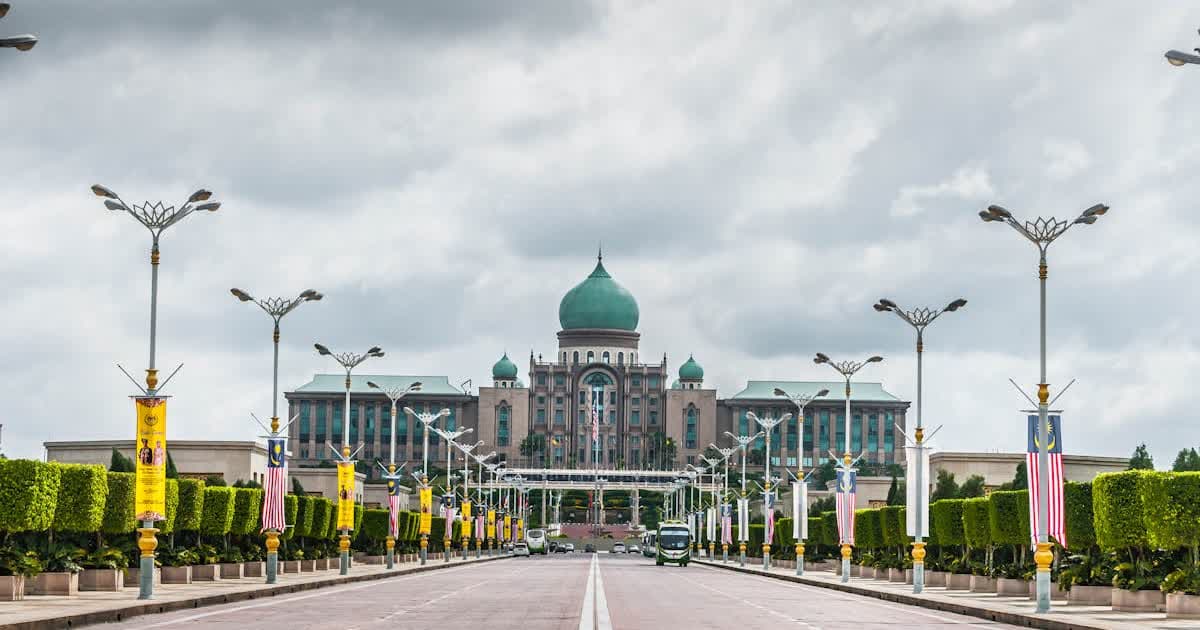
The federal government, based in Putrajaya (administrative capital) and Kuala Lumpur (official capital), has authority over matters of national importance as defined by the constitution.
Executive Branch:
- Prime Minister: Head of government, typically leader of the largest coalition
- Cabinet: Ministers appointed by the PM with the King's consent
- Ministries: Handle specific policy areas (Finance, Home Affairs, Education, etc.)
- Civil Service: Permanent bureaucracy that implements policies
Key federal ministries affecting visitors include: - Ministry of Home Affairs (immigration) - Ministry of Tourism, Arts and Culture - Ministry of Transport - Ministry of Health
Legislative Branch - Parliament:
Malaysia has a bicameral (two-chamber) parliament:
Dewan Rakyat (House of Representatives):
- 222 elected members (MPs) - Elected through first-past-the-post system - Maximum 5-year term - Primary law-making body - Controls budget and government formation
Dewan Negara (Senate):
- 70 members total - 26 elected by state assemblies (2 per state) - 44 appointed by the King on PM's advice - 3-year terms, maximum two terms - Reviews legislation but limited veto power - Can delay but not permanently block bills
Judicial Branch:
Malaysia's court system: - Federal Court (highest) - Court of Appeal - High Courts (Malaya and Sabah/Sarawak) - Sessions Courts and Magistrates' Courts
Separate Syariah courts handle Islamic family and personal law for Muslims.
State Governments:
Each of Malaysia's 13 states has its own constitution, government, and assembly, exercising authority over matters not reserved for the federal government.
State Authority Includes:
- Land and natural resources - Islamic law and Malay customs - Agriculture and forestry - Local government - State public services - Water supply
State Executive:
- Menteri Besar/Chief Minister: Head of state government
- State Executive Council (EXCO): State cabinet
- State Civil Service: Implements state policies
States with sultans have a Menteri Besar (MB), while states without royalty (Penang, Melaka, Sabah, Sarawak) have a Chief Minister (Ketua Menteri).
State Assemblies (DUN):
Each state has a unicameral assembly: - Members elected in state elections - Can be held separately from federal elections - Pass state laws (enactments) - Control state budgets
Sabah and Sarawak Special Status:
These East Malaysian states have greater autonomy than Peninsular states: - Immigration control (separate entry stamps) - Control over land and natural resources - Higher oil revenue share - Native customary rights - Own public holidays - Power over local government
This autonomy stems from the terms under which they joined Malaysia in 1963 and remains politically significant today.
Federal Territories:
Three areas are administered directly by the federal government: - Kuala Lumpur (capital city) - Putrajaya (administrative center) - Labuan (offshore financial center)
These have no state government; residents vote in federal elections but have no state assembly.
Local Government:
Local government forms the third tier: - City Councils/Halls (Dewan Bandaraya/Majlis Bandaraya) - Municipal Councils (Majlis Perbandaran) - District Councils (Majlis Daerah)
Important Note: Unlike many countries, local councilors in Malaysia are appointed, not elected. The last local elections were held in 1965. This has been a longstanding point of contention, with reform advocates calling for restoration of local elections.
Local Government Functions:
- Urban planning and development - Public cleanliness and waste management - Licensing (hawkers, businesses) - Local infrastructure - Public health services - Building permits
Impact on Daily Life:
Understanding this structure helps visitors and expats navigate: - Visa and immigration matters (federal - Putrajaya) - Property and land issues (state government) - Business licensing (local council) - Religious matters (state for Islam) - Education policy (federal, but some state variation)
Major Political Parties and Coalitions
Malaysian politics operates through coalitions rather than single-party rule. Understanding the major parties and their ideologies helps make sense of the political news and social dynamics you may encounter.
Current Major Coalitions:
Pakatan Harapan (PH) - "Alliance of Hope"
The leading coalition in the current Unity Government, PH is broadly reformist and promotes multi-racial politics.
Component parties: - PKR (People's Justice Party): Founded 1999, led by Anwar Ibrahim. Multi-racial, reformist - DAP (Democratic Action Party): Founded 1966, predominantly Chinese urban support. Social democratic - Amanah (National Trust Party): Founded 2015, breakaway from PAS. Progressive Islamic
Key positions: Anti-corruption, institutional reform, good governance, multi-racial unity
Barisan Nasional (BN) - "National Front"
The former ruling coalition that governed Malaysia from 1957-2018, now a junior partner in the Unity Government.
Component parties: - UMNO (United Malays National Organisation): Founded 1946, dominant Malay party historically - MCA (Malaysian Chinese Association): Founded 1949, represents Chinese interests - MIC (Malaysian Indian Congress): Founded 1946, represents Indian interests
Key positions: Malay-centric, moderate Islamic, pro-business, rural development
Perikatan Nasional (PN) - "National Alliance"
The main opposition coalition, formed after the 2020 political crisis.
Component parties: - Bersatu (Malaysian United Indigenous Party): Founded 2016 by former UMNO members - PAS (Pan-Malaysian Islamic Party): Founded 1951, oldest Islamic party
Key positions: Malay-Muslim interests, Islamic governance, conservative social policies
Regional Coalitions:
GPS (Gabungan Parti Sarawak):
- Dominant in Sarawak - Key federal kingmaker - Focus on Sarawak autonomy and rights - Main parties: PBB, PRS, PDP, SUPP
GRS (Gabungan Rakyat Sabah):
- Main Sabah coalition - Focus on Sabah rights and development - Includes various local parties
Independent / New Parties (2025-2026):
Parti Bersama Malaysia (PBM): Rafizi Ramli's post-PKR reform vehicle. Rafizi resigned as Economy Minister 17 December 2024, lost PKR Deputy Presidency to Nurul Izzah Anwar 23 May 2025 (5,915 vs 9,803), quit PKR 4 May 2025, took over the dormant PBM shell at an 18 October 2025 EGM in Bangi (elected President 412-11). Joined by Nik Nazmi (ex-NRECC Minister), Hassan Karim, Akmal Nasrullah. Holds 1 federal seat (Rafizi/Pandan). Manifesto "Bersama Malaysia 2030" launched 14 February 2026. See /bersama-guide for full detail.
MUDA (Malaysian United Democratic Alliance): Founded 17 September 2020 by Syed Saddiq. Holds 1 seat (Muar) but founder convicted 9 November 2023 in CBT case (RM 1.12m, 7 years jail + RM 10m fine), appeal pending.
Major Party Profiles:
UMNO (United Malays National Organisation)
- Founded: 1946
- Ideology: Malay nationalism, moderate Islam
- Base: Rural and semi-urban Malays
- History: Dominant party 1957-2018
- Current status: Part of Unity Government, weakened by 2018 loss and internal divisions
- Key issues: Malay rights, rural development, Islam
PKR (People's Justice Party)
- Founded: 1999 (as Parti Keadilan)
- Ideology: Reformism, multi-racialism, social justice
- Base: Urban, multi-racial
- History: Born from Reformasi movement after Anwar Ibrahim's sacking
- Current status: Leading party in government
- Key issues: Institutional reform, anti-corruption, human rights
DAP (Democratic Action Party)
- Founded: 1966
- Ideology: Social democracy, multi-racialism, secularism
- Base: Urban Chinese, some Indians
- History: Longtime opposition party, first tasted federal power in 2018
- Current status: Part of Unity Government
- Key issues: Equality, good governance, Chinese education, secularism
- Often targeted by ethno-nationalist parties as "anti-Malay"
PAS (Pan-Malaysian Islamic Party)
- Founded: 1951
- Ideology: Islamism, conservative Islam
- Base: Rural Malays, particularly in East Coast states
- History: Controlled Kelantan since 1990, Terengganu intermittently
- Current status: Opposition, but controls several state governments
- Key issues: Implementation of Islamic law, Islamic state
- Has pushed for hudud (Islamic criminal law) implementation
Bersatu (Malaysian United Indigenous Party)
- Founded: 2016
- Ideology: Malay nationalism
- Base: Former UMNO supporters
- History: Founded by Mahathir after leaving UMNO, triggered 2020 Sheraton Move
- Current status: Opposition
- Key issues: Malay economic empowerment, anti-establishment
Political Party Dynamics:
Malaysian politics features:
- Coalition politics: No single party can govern alone
- Ethnic-based parties: Most parties have ethnic bases despite some multi-racial rhetoric
- Fluid alliances: Parties have switched coalitions multiple times
- Strong party discipline: MPs typically follow party lines
- Personality politics: Leaders often more important than party platforms
Understanding Party Colors:
Party colors are visible everywhere during campaigns: - UMNO/BN: Blue - PKR: Blue and white - DAP: Red and white (rocket symbol) - PAS: Green (Islamic color) - Bersatu: Red - GPS: Various, often orange
Visitors Note:
During elections, wearing certain colors may be interpreted as political statements. Be aware of the political calendar and avoid inadvertently displaying party colors in sensitive areas.
Political History: From Independence to Today
Understanding Malaysia's political journey from British colony to modern nation provides essential context for contemporary politics. Several key periods have shaped the current political landscape.
Colonial Legacy and Independence (Pre-1957):
British colonization shaped Malaysia's ethnic composition through imported labor (Chinese miners, Indian plantation workers) and established the administrative structures still visible today. The British promoted a plural but segregated society.
The independence movement was led by UMNO, MCA, and MIC forming the Alliance coalition. Malaya achieved independence (Merdeka) on August 31, 1957, with Tunku Abdul Rahman as the first Prime Minister.
Formation of Malaysia (1963):
Malaysia was formed on September 16, 1963, uniting: - Malaya (Peninsular Malaysia) - Singapore - North Borneo (Sabah) - Sarawak
This union faced immediate challenges: - Indonesian Confrontation (Konfrontasi): Indonesia opposed the federation - Singapore's separation (1965): Due to ethnic tensions and political disagreements - Communist insurgency continued until 1989
May 13, 1969 - A Turning Point:
The May 13 racial riots in Kuala Lumpur following the 1969 general election resulted in hundreds of deaths and fundamentally changed Malaysian politics.
Consequences: - Parliament suspended for two years - National Operations Council ruled by decree - New Economic Policy (NEP) introduced in 1971 - Sedition Act strengthened - Sensitive issues (Malay rights, rulers, citizenship, language, Islam) became off-limits - Alliance transformed into larger Barisan Nasional coalition
The New Economic Policy Era (1971-1990):
The NEP was a massive social engineering project aimed at: - Eradicating poverty regardless of race - Restructuring society to eliminate ethnic economic disparities - Increasing Bumiputera share of corporate equity to 30%
This era established the affirmative action policies still debated today.
The Mahathir Era (1981-2003):
Dr. Mahathir Mohamad's 22-year tenure transformed Malaysia:
Economic changes: - Rapid industrialization (Look East Policy) - Mega projects (KLIA, Petronas Towers, Putrajaya) - Survived 1997 Asian Financial Crisis with capital controls
Political changes: - Strengthened executive power - Reduced royal powers (1983, 1993 constitutional crises) - Authoritarian measures against opponents - 1987 Operasi Lalang mass arrests - 1998 sacking and imprisonment of Anwar Ibrahim
Legacy: Modernization coupled with authoritarianism; beloved by some, criticized by others.
The Reformasi Movement (1998-1999):
Anwar Ibrahim's arrest in 1998 on corruption and sodomy charges sparked the Reformasi (reform) movement: - Largest protests since 1969 - Birth of PKR (Anwar's party) - Demand for political reform - Emergence of civil society activism - 1999 elections saw opposition gains
Abdullah and Najib Years (2003-2018):
Abdullah Badawi (2003-2009): - Initially popular, promised reforms - Won massive 2004 mandate - Failed to deliver on reform promises - Lost 2/3 majority in 2008 (political tsunami)
Najib Razak (2009-2018): - Economic transformation programs - 1MDB scandal emerged - GST implementation - Increasing authoritarianism - Crackdown on civil liberties
The 1MDB Scandal:
The 1Malaysia Development Berhad scandal involved: - Billions allegedly misappropriated from state investment fund - International investigations (US, Singapore, Switzerland) - Linked to then-PM Najib - Massive public outrage - Key factor in 2018 election outcome
2018: Historic Change:
The May 2018 election (GE14) was watershed: - First change of federal government since independence - Pakatan Harapan won with Mahathir as PM (returned at age 92) - Anwar Ibrahim eventually pardoned and released - BN/UMNO in opposition for first time - Najib later convicted and imprisoned
The Sheraton Move (2020):
In February 2020, the Pakatan Harapan government collapsed: - Bersatu and some PKR MPs withdrew support - Coalition with UMNO and PAS formed new government - Muhyiddin Yassin became PM without an election - Three prime ministers in three years followed - Political instability amid COVID-19 pandemic
GE15 and Unity Government (2022):
The November 2022 election resulted in: - Hung parliament (no clear winner) - PH won most seats but not majority - PN made significant gains (especially PAS) - After days of uncertainty, Anwar Ibrahim appointed PM - Unity Government formed with former rivals BN
Understanding Political Timeline:
| Year | Event | Significance |
|---|---|---|
| 1957 | Independence | Birth of nation |
| 1963 | Malaysia formed | Expanded federation |
| 1965 | Singapore exits | Current borders set |
| 1969 | May 13 riots | Ethnic relations trauma |
| 1971 | NEP begins | Affirmative action starts |
| 1981 | Mahathir era starts | Rapid modernization |
| 1998 | Reformasi | Opposition movement born |
| 2008 | Political tsunami | BN loses 2/3 majority |
| 2018 | GE14 | First government change |
| 2020 | Sheraton Move | Coalition collapses |
| 2022 | GE15 | Unity Government formed |
This history explains many current tensions: the ethnic basis of politics, the sensitivity around racial issues, the reform agenda, and the ongoing struggle between different visions of Malaysia's future.
Current Political Landscape
The current Malaysian political environment reflects both the historic 2022 election outcome and ongoing tensions within the Unity Government. Understanding these dynamics helps contextualize the news and public discourse you may encounter.
The Unity Government:
Formed in November 2022 after a hung parliament, the Unity Government is an unprecedented coalition:
Government composition:
- Pakatan Harapan (82 MPs) - Core coalition - Barisan Nasional (30 MPs) - Former rivals, now partners - GPS (23 MPs) - Sarawak bloc - GRS (6 MPs) - Sabah partners - Other allies
Opposition:
- Perikatan Nasional (74 MPs) - Main opposition - Led primarily by PAS and Bersatu
Key Government Figures:
Anwar Ibrahim (Prime Minister):
- Long journey from deputy PM (1993) to PM (2022) - 25 years in opposition/imprisonment - Reform agenda: good governance, anti-corruption - Balancing act between coalition partners - Also serves as Finance Minister
Ahmad Zahid Hamidi (Deputy PM):
- UMNO President - Controversial: faces ongoing corruption trial - Key to keeping BN in coalition - Critics question prosecution independence
Anthony Loke (Transport Minister):
- DAP leader - Popular figure, active on social media - Represents non-Malay component
Fadillah Yusof (Deputy PM):
- GPS representative - Ensures East Malaysian interests
Current Political Issues:
Economic Challenges:
- Subsidy rationalization (fuel, electricity) - Ringgit weakness - Cost of living concerns - Attracting investment - Managing inflation
Governance and Reform:
- Anti-corruption measures - Judicial independence - Civil service reform - Local government elections - Anti-hopping law implementation
Unity and Race Relations:
- Managing Malay-Muslim sentiment - Addressing Chinese/Indian concerns - Navigating PAS's religious rhetoric - Social cohesion programs
Opposition Strategy:
Perikatan Nasional, especially PAS, has adopted several approaches: - Emphasizing Malay-Muslim unity - Criticizing government as "anti-Islam" - Strong social media presence - Grassroots mobilization - State-level governance showcase
PAS currently controls: - Kelantan - Terengganu - Kedah - Perlis (PN ally)
Coalition Tensions:
The Unity Government faces internal strains:
UMNO's position:
- Weakened but essential to coalition - Internal factions (pro and anti-Zahid) - Court cases against leaders - Relationship with traditional rival DAP
PH's challenges:
- Cannot be seen as abandoning reform - Pressure from base to distance from UMNO - Balancing principles with political reality
Regional dynamics:
- Sabah state politics complicated - Sarawak focused on state interests - GPS increasingly influential
State Elections and By-Elections:
Recent elections have shown: - PN gaining ground in Malay-majority areas - PH holding urban seats - BN's traditional base eroding - Green Wave (PAS's rise) concern for some
Public Sentiment:
Current mood indicators: - Frustration with political instability (4 PMs in 4 years) - Concern about economy and cost of living - Desire for stability over ideology - Disillusionment with all political camps among some - Ethnic voting patterns remain strong
Media and Information Environment:
Political news is omnipresent: - Active social media debate - Multiple news portals across spectrum - Government and opposition media strategies - Fake news concerns - Sedition charges occasionally used
What This Means for Visitors/Expats:
- Avoid political discussions unless with close friends who initiate
- Be aware of sensitivities around race, religion, royalty
- Social media caution - your posts can be monitored
- Policy changes possible - stay updated on visa, regulations
- Local vs national - your experience varies by state
- Economic impact - currency, prices affected by political stability
Ethnic Politics and Bumiputera Policies
Ethnicity is central to Malaysian politics in ways that can surprise visitors from more homogeneous societies. Understanding this dimension is crucial for comprehending political discourse and social dynamics.
Malaysia's Ethnic Composition:
| Group | Percentage | Notes |
|---|---|---|
| Malay | ~55% | Muslim by constitution |
| Chinese | ~23% | Various dialects, religions |
| Indian | ~7% | Mostly Tamil, Hindu majority |
| Indigenous | ~12% | Orang Asli (Peninsular), native peoples (Sabah/Sarawak) |
| Others | ~3% | Various groups |
The Bumiputera Concept:
"Bumiputera" (sons of the soil) is a constitutional and legal category comprising: - Malays (defined as Muslim, Malay-speaking, following Malay customs) - Indigenous peoples of Sabah and Sarawak - Orang Asli of Peninsular Malaysia
Historical Context:
The New Economic Policy (NEP), introduced after the 1969 riots, established affirmative action to address: - Economic disparity between ethnic groups - Malay underrepresentation in commerce and professions - Poverty in rural Malay communities
Current Bumiputera Policies:
Education:
- Reserved university places (public universities) - Matriculation system predominantly for Bumiputera - Scholarships weighted toward Bumiputera - MRSM boarding schools (Bumiputera only)
Employment:
- Civil service predominantly Malay/Bumiputera - Government-linked companies favor Bumiputera - Private sector has no mandated quotas
Business:
- Listed companies must have 30% Bumiputera equity - Government contracts often require Bumiputera partners - Special licenses and permits - Bumiputera-only tender categories
Property:
- Bumiputera discounts (5-15%) on new properties - Reserved Bumiputera units in developments - Malay Reserved Land cannot be sold to non-Malays
Political Dimensions:
Defenders of the policy argue:
- Constitutional mandate to protect Malay position - Historical disadvantages require remedy - Social stability depends on Malay economic progress - Premature removal would cause backlash
Critics argue:
- Creates dependency, not empowerment - Benefits elites, not poor Bumiputera - Drives talent and capital overseas - Undermines meritocracy and competitiveness - Non-Bumiputera discrimination
The "Social Contract":
A foundational narrative in Malaysian politics holds that: - Non-Malays received citizenship at independence - In exchange, they accepted special Malay position - This "social contract" is sacrosanct
This framing is disputed by some historians and opposition politicians but remains influential.
Political Party Positions:
UMNO/BN: Strong defenders of Bumiputera policy PAS/PN: Expand to Islamic and Malay supremacy PKR: Reform but don't abolish DAP: Needs-based rather than race-based policy (controversial position) GPS: Prioritize Sarawak native rights
Sensitive Topic:
Discussing Bumiputera policy openly is sensitive and sometimes legally risky: - Part of "social contract" narrative - Sedition Act can apply - Emotional responses likely - Foreigners should avoid expressing opinions
Impact on Non-Bumiputera:
Many Chinese and Indians: - Feel like second-class citizens - Send children abroad for education - Emigrate for better opportunities - Focus on private sector success - Maintain separate vernacular schools
This has contributed to a "brain drain" that governments have tried to address.
Recent Developments:
The Unity Government has: - Maintained core Bumiputera policies - Emphasized helping all poor regardless of race - Faced criticism from both sides - Attempted nuanced messaging
PN Opposition: - Accuses government of abandoning Malay interests - Promotes "Malay unity" narrative - Strong support in rural Malay areas
Understanding Ethnic Dynamics:
For visitors and expats: 1. Don't assume views based on ethnicity 2. Recognize complexity - many reject racial politics 3. Understand historical context before judging 4. Avoid the topic in casual conversation 5. Respect that it's emotional for Malaysians of all backgrounds 6. Know that young Malaysians often frustrated with ethnic politics
Religion and Politics: Islam in Malaysia
Islam plays a unique role in Malaysian politics, distinct from both secular states and theocracies. Understanding this helps visitors navigate religious sensitivities and comprehend political debates.
Constitutional Position:
Article 3 of the Malaysian Constitution states: "Islam is the religion of the Federation; but other religions may be practiced in peace and harmony."
This has been interpreted differently over time: - Original intent: Ceremonial, not governing principle - Contemporary interpretation: Increasingly substantive - Ongoing debate: Secular state or Islamic state?
Dual Legal System:
Malaysia operates parallel legal systems:
Civil Law (Federal):
- Based on English common law - Applies to all citizens - Handles most matters - Criminal law, contracts, commerce
Syariah Law (State):
- Applies to Muslims only - Varies by state - Personal law: marriage, divorce, inheritance - Religious offenses: not fasting, alcohol, khalwat (close proximity) - Cannot impose punishments exceeding RM5,000 fine, 3 years prison, 6 strokes (federal limit)
Political Islam:
PAS and Islamization:
PAS, the Islamic party, has long advocated: - Implementation of hudud (Islamic criminal law) - Islamic state - Expanded Syariah court jurisdiction - Conservative social policies
In states they control (Kelantan, Terengganu): - Gender-segregated checkout lines - Stricter entertainment regulations - Reduced alcohol availability - Conservative dress expectations
UMNO's approach:
- "Moderate" Islam - Islamic institutions and education - Compete with PAS for Malay-Muslim support - Balance economic development and Islamic identity
Current government:
- Anwar presents himself as Islamic reformist - Emphasizes inclusive Islam - Still maintains Islamic institutions - Faces attacks as "not Islamic enough"
Islamic Institutions:
JAKIM (Department of Islamic Development Malaysia):
- Federal body overseeing Islamic affairs - Halal certification - Religious guidance - Significant budget and influence
State Religious Departments:
- Enforce Syariah in respective states - Conduct moral policing - Issue religious edicts (fatwa)
Religious Council (Majlis Agama):
- Each state has one - Advises ruler on religious matters
Controversial Issues:
Conversion and apostasy:
- Muslims cannot officially leave Islam - Apostasy cases go to Syariah courts - Conversion to Islam requires declaration - Mixed-religion family disputes occur
The "Allah" issue:
- Court cases over non-Muslim use of "Allah" - Particularly affects Sabah/Sarawak Christians - Sensitive and legally contested
Khalwat (close proximity):
- Syariah offense for Muslims - Religious authorities can raid - Applies in private spaces - Controversial enforcement
Child conversion disputes:
- When one parent converts, children's religion disputed - High-profile cases attract attention
Impact on Non-Muslims:
While Syariah doesn't apply to non-Muslims: - Public space increasingly Islamic - Some areas more conservative - Alcohol restrictions in some states - Cultural pressure in some contexts - Interfaith family complications
Sabah and Sarawak Difference:
East Malaysian states are notably different: - Christian plurality/majority - More relaxed religious atmosphere - Stronger inter-faith harmony - Less political Islam - Different cultural context
What Visitors Should Know:
Respect requirements:
- Dress modestly at religious sites - Remove shoes entering mosques - Don't eat publicly during Ramadan in conservative areas - Respect prayer times
Alcohol:
- Legal for non-Muslims - Restricted in some states (Kelantan, Terengganu) - Available in most urban areas - Hotel and tourist areas usually fine
Food:
- Halal food is the norm - Non-halal (pork, etc.) available in designated areas - Don't bring non-halal food to Muslim events
Friday prayers:
- Government offices closed Friday afternoon - Some businesses close briefly - Mosques crowded
Religious holidays:
- Hari Raya Aidilfitri (Eid) - Hari Raya Aidiladha - Prophet's Birthday - Various state holidays
Avoiding Problems:
- Don't proselytize to Muslims
- Don't discuss Islam critically
- Respect fasting during Ramadan
- Dress appropriately
- Be culturally sensitive
- Understand this is identity, more than religion
Key Political Issues
Beyond ethnic and religious dynamics, several substantive issues dominate Malaysian political discourse. Understanding these helps contextualize news coverage and public conversations.
Corruption:
Corruption remains a central political issue, especially after the 1MDB scandal.
The 1MDB Legacy:
- Billions allegedly misappropriated - Former PM Najib convicted (12 years prison) - Multiple related prosecutions - International investigations and settlements - Symbol of governance failure
Current anti-corruption efforts:
- MACC (Malaysian Anti-Corruption Commission) empowered - Asset declarations for politicians - Prosecution of high-profile cases - Whistleblower protection (limited)
Challenges:
- Selective prosecution accusations - Political interference concerns - Systemic corruption persists - Judicial independence questions
Economy and Cost of Living:
Economic concerns dominate public sentiment:
Key issues:
- Ringgit depreciation - Inflation and food prices - Subsidy removal impact - Wage stagnation - Youth unemployment - Gig economy precarity
Government response:
- Targeted subsidies for poor - Cash transfers (programs like Sumbangan Tunai Rahmah) - Investment attraction - Economic reform plans
Opposition criticism:
- Government not doing enough - Hurting ordinary people - Mismanagement accusations
Education:
Education is politically contentious:
Vernacular schools:
- Chinese and Tamil schools exist - Some call for single-stream schooling - Ethnic politics dimension - Language and cultural preservation vs national unity debate
University quotas:
- Bumiputera reserved places - Meritocracy vs affirmative action - Brain drain concerns - Quality of public universities
Religious education:
- Growing Islamic education sector - Secular vs religious curriculum debate - State variation
Healthcare:
Public healthcare:
- Affordable but stretched - Long wait times - Quality varies by location - Many prefer private sector
Private healthcare:
- High quality but expensive - Medical tourism industry - Two-tier system concerns
Political issues:
- Universal healthcare debates - Doctor brain drain - Rural healthcare access - Pandemic preparedness
Environment:
Key concerns:
- Deforestation (palm oil expansion) - Flooding (development-related) - Air pollution (transboundary haze) - Water security - Waste management
Political dimension:
- Development vs conservation - State vs federal jurisdiction - Indigenous land rights - Corporate interests
Housing:
Affordability crisis:
- Especially in Klang Valley (KL area) - Young adults cannot afford homes - Property speculation - Foreign ownership restrictions (debate) - Affordable housing programs
Sabah and Sarawak Rights:
MA63 and Autonomy:
- Malaysia Agreement 1963 rights - Revenue sharing (especially oil royalties) - Immigration control - Calls for greater autonomy - Political leverage in federal politics
This issue is significant as East Malaysian blocs are federal kingmakers.
Civil Liberties:
Ongoing debates:
- Freedom of speech limits - Assembly restrictions - Media freedom - LGBTQ+ rights (no recognition, periodic crackdowns) - Death penalty (under review)
Laws criticized:
- Sedition Act - Communications and Multimedia Act - Security laws (SOSMA, POCA) - Peaceful Assembly Act
Labor and Migration:
Foreign workers:
- Large migrant workforce - Treatment and rights concerns - Undocumented worker issues - Dependency debates
Refugee rights:
- UNHCR presence but no legal status - Rohingya and other groups - Public sentiment mixed
Political Reform:
Ongoing agenda:
- Local government elections - Electoral boundary reform - Campaign finance regulation - Political party regulation - Senate reform - Elected village heads
How Politics Affects Expats and Visitors
While visitors and expats should generally avoid political involvement, understanding how Malaysian politics affects daily life and legal obligations helps navigate the country safely and respectfully.
Legal Restrictions for Foreigners:
Political participation prohibited:
- Cannot join political parties - Cannot participate in demonstrations - Cannot campaign or canvas - Cannot make donations to parties
Speech restrictions:
- Sedition Act applies to foreigners - Cannot criticize monarchy - Cannot inflame racial tensions - Social media monitored
Consequences of violations:
- Arrest and prosecution - Deportation - Entry ban - Imprisonment in serious cases
Real Cases:
Foreigners have faced consequences for: - Social media posts criticizing royalty - Participating in protests - Wearing political symbols - Online comments about race or religion
During Elections:
Elections in Malaysia are colorful affairs:
What you'll notice:
- Party flags everywhere - Campaign rallies and speeches - Roadside banners - Political caravans - Intense social media activity
What to do:
- Observe, don't participate - Avoid wearing party colors - Stay away from rally sites - Don't comment online - Be patient with disruptions - Enjoy the democratic spectacle from afar
Policy Changes Affecting Foreigners:
Political shifts can affect:
Immigration:
- Visa policies - Work permit regulations - MM2H program rules (changed significantly in 2021) - Enforcement priorities
Business:
- Foreign investment rules - Ownership restrictions - Work permit categories - Tax policies
Property:
- Minimum purchase thresholds - State variation - Approval requirements
Stay informed through:
- Immigration department website - Embassy communications - Expat forums and groups - Professional advisors
Understanding Local Context:
When locals discuss politics:
- Listen more than speak - Don't take sides - Ask questions to understand - Express interest, not opinions - Know when to change subjects
Social cues:
- Politics discussed frequently - Strong opinions common - Ethnic subtext often present - Don't assume agreement
Workplace Considerations:
In Malaysian workplaces:
- Political discussion common during elections - Be neutral and non-committal - Understand ethnic dynamics - Follow company culture - Avoid social media commentary
Religious and Cultural Events:
Politics intersects with: - National Day celebrations (Aug 31) - Malaysia Day (Sept 16) - Religious holidays - Royal events
Your role:
- Participate respectfully - Understand national symbols - Don't conflate with political parties - Enjoy cultural aspects
Emergency Situations:
In case of political unrest: - Monitor news and embassy advisories - Have emergency contacts ready - Know embassy location - Keep documents accessible - Have exit plan if needed
Malaysia is generally stable, but:
- Protests occasionally occur - Political transitions can be tense - Regional events can affect mood
Building Understanding:
Recommended approach:
- Read Malaysian news (multiple sources) - Learn historical context - Understand different perspectives - Appreciate complexity - Develop cultural competence
Good resources:
- Malaysiakini (independent news) - The Star, New Straits Times (mainstream) - Books on Malaysian history - Academic analyses - Conversation with diverse locals
Media and Press Freedom
Understanding the Malaysian media landscape helps visitors interpret the news and be aware of the information environment. Malaysia's media occupies a space between fully free and fully controlled.
Historical Context:
Malaysia's media has operated under significant restrictions: - Printing Presses and Publications Act (licensing) - Sedition Act (content restrictions) - Official Secrets Act - Communications and Multimedia Act (online content) - Internal Security Act (repealed 2012, replaced by SOSMA)
The 2018 reform government promised media liberalization but limited progress was made before the government collapsed.
Current Media Landscape:
Print Media:
Traditional newspapers: - The Star (English, MCA-linked) - New Straits Times (English, UMNO-linked historically) - Utusan Malaysia (Malay, formerly UMNO-owned) - Sin Chew Daily (Chinese) - Tamil Nesan (Tamil)
Characteristics: - Most mainstream media had political links - Self-censorship common - Declining circulation - Moving online
Online Media:
The internet transformed Malaysian media:
Independent news portals:
- Malaysiakini (established 1999) - Free Malaysia Today - The Malaysian Insight - Various others
These have been: - More critical of government - Platform for alternative voices - Subject to occasional blocking - Financially vulnerable
Social Media:
Malaysians are highly connected: - Active on Facebook, Twitter, Instagram, TikTok - Political content widely shared - Both information and misinformation spread - Government and opposition use extensively - Monitoring by authorities
Television:
- RTM (government broadcaster)
- TV3, NTV7, 8TV (Media Prima, private but historically pro-government)
- Astro (satellite, more diverse)
Television remains somewhat controlled, with news reflecting establishment perspectives.
Press Freedom Rankings:
Malaysia typically ranks in the "problematic" or "difficult" categories in international press freedom indices: - Not the worst in ASEAN (better than Vietnam, Myanmar) - Not the best (behind Philippines, Indonesia, Timor-Leste) - Improvement after 2018, regression during pandemic
Legal Framework:
Laws affecting media freedom:
Printing Presses and Publications Act:
- Requires annual license for publications - Minister can revoke at will - Used against opposition publications
Communications and Multimedia Act (CMA):
- Section 233: Improper use of network facilities - Used against online critics - Broad and vague provisions
Sedition Act:
- Covers statements with "seditious tendency" - Includes criticizing rulers, inflaming ethnic tensions - Used against journalists, activists, politicians
Official Secrets Act:
- Broad definition of secrets - Journalists can be prosecuted for receiving leaks - Limits investigative journalism
Fake News:
The previous government attempted a fake news law (repealed), but concerns about misinformation persist: - Government fact-checking initiatives - Police investigations for false claims - Social media company cooperation - Tension between countering misinformation and restricting speech
Journalist Safety:
Generally safer than some neighbors: - No journalist killings in recent years - Some harassment and legal threats - Self-censorship due to laws - Online journalists particularly vulnerable
What This Means for Visitors:
Consuming news:
- Read multiple sources - Understand ownership and bias - Online portals often more independent - International media available
Social media caution:
- Your posts can be monitored - Avoid seditious content - Don't share unverified claims - Remember Malaysian laws apply to you
Photography and filming:
- Generally permitted - Sensitive areas restricted (military, some government) - Ask permission for people - Be aware during protests
Expressing opinions:
- Personal conversations safer - Public statements risky - Written/posted content most risky - Even WhatsApp not private
The Information Environment:
Be aware that: - Official narratives may be promoted - Alternative views available but require effort - Ethnic and political biases exist across media - Social media can be echo chambers - Critical thinking essential
Civil Society and Activism
Malaysian civil society has played an important role in pushing for reform, despite operating under legal constraints. Understanding this landscape helps visitors appreciate the civic energy that exists beyond formal politics.
Historical Development:
Civil society in Malaysia grew particularly after: - 1998 Reformasi movement - Bersih electoral reform movement (2007 onwards) - Growing middle class engagement - Online platforms enabling organization
Major Civil Society Organizations:
Bersih (Coalition for Clean and Fair Elections):
- Started 2007 - Organized massive rallies (2011, 2012, 2015, 2016) - Demands: clean elections, free media, anti-corruption - Symbol: yellow color - Influential in 2018 election outcome
Suara Rakyat Malaysia (SUARAM):
- Human rights organization - Monitors detention, police abuse - Legal aid and advocacy
Sisters in Islam:
- Islamic feminist organization - Advocates for women's rights within Islamic framework - Controversial in some quarters
Bar Council:
- Legal profession body - Advocates for rule of law - Human rights positions
Consumer associations, environmental groups, professional bodies: Various organizations active on specific issues.
Legal Framework:
Civil society operates under constraints:
Peaceful Assembly Act 2012:
- Requires notification (not permission) for assemblies - Street protests technically allowed with notice - Restrictions on locations and timing - Children cannot participate - Police can impose conditions
Societies Act:
- Registration required for organizations - Registrar can deregister - Political activity restricted for societies
In practice:
- Rallies have occurred (Bersih, others) - Police sometimes allow, sometimes disperse - Organizers occasionally prosecuted - Space varies by political climate
Types of Activism:
Street rallies:
- Less common now than 2010s peak - Symbolic and media-focused - Yellow (Bersih), red (UMNO supporters), green (PAS)
Online activism:
- Petitions and campaigns - Social media mobilization - Hashtag movements - Citizen journalism
Legal advocacy:
- Public interest litigation - Policy submissions - Parliamentary engagement
Community organizing:
- Local issues (environment, development) - Resident associations - Worker organizing (limited)
Recent Campaigns:
Examples of civil society activity: - Anti-ICERD protests (2018) - opposition to ratifying UN convention - Environmental protests (Lynas, deforestation) - Labor rights campaigns - LGBTQ+ advocacy (underground due to laws) - Indigenous land rights - Anti-corruption rallies
Youth Engagement:
Young Malaysians increasingly engaged: - Social media activism - Undi18 movement (lowered voting age) - Climate activism - Political satire and commentary - Student movements
Challenges:
Civil society faces: - Legal restrictions - Funding constraints (foreign funding scrutinized) - State surveillance - Political co-optation risk - Public apathy in some areas - Ethnic and religious divisions
Diaspora Activism:
Significant Malaysian diaspora engaged: - Overseas voting advocacy - International attention to issues - Remittances funding - Policy influence through networks
What Visitors Should Know:
Observing:
- Civil society events can be observed - Maintain distance from protests - Photography may attract attention - Understand the context
Do not:
- Participate in protests (seriously) - Join organizations as foreigner - Fund political activities - Post supportive content online (risky)
Appreciation:
- Civil society represents democratic energy - Many Malaysians committed to reform - Not just government vs opposition - Diverse voices and perspectives
Meeting activists:
- Many happy to explain their work - Academic and think tank events exist - Cultural events with political dimension - Art and music scenes engaged
Academic and Think Tanks:
Malaysia has various research organizations: - Institute for Democracy and Economic Affairs (IDEAS) - Penang Institute - Institute of Strategic and International Studies (ISIS) - University research centers
These provide analysis and host public discussions.
Malaysia's Foreign Relations
Malaysia's foreign policy affects visitors through visa policies, international perceptions, and the country's position in regional dynamics. Understanding these relationships provides context for Malaysia's global role.
Foreign Policy Principles:
Malaysia's foreign policy is characterized by: - Non-alignment (historically) - ASEAN centrality - Islamic world engagement - Economic pragmatism - Peaceful resolution of disputes - Anti-colonialism sentiment
ASEAN Relations:
Malaysia is a founding member of ASEAN (1967): - Central to regional architecture - Trade and investment integration - Free movement initiatives - Security cooperation - Collective diplomacy
Relations with Singapore:
The closest and most complex relationship: - Historical ties (separation in 1965) - Causeway and Second Link connections - Water agreements (contentious) - Airspace disputes - Territorial issues (Pedra Branca) - Strong economic ties despite tensions - Millions cross border daily
Relations with Indonesia:
Neighboring nation with ethnic ties: - Labor migration issues - Maritime boundaries - Haze from forest fires - Cultural disputes (claims to heritage) - Generally cooperative - ASEAN partners
Relations with China:
Increasingly important: - Major trading partner - Belt and Road Initiative projects - South China Sea disputes - Chinese diaspora connection - Infrastructure investments - Diplomatic balancing act
Relations with United States:
- Long-standing ties
- Security cooperation
- Economic relationship
- Human rights concerns raised
- 1MDB investigations created tension
- Generally stable
Relations with Middle East:
Important due to Islamic identity: - OIC membership - Saudi Arabia ties - Palestinian cause support - Religious education links - Labor migration (Malaysia sends workers) - Investment from Gulf states
Palestinian Issue:
Malaysia is strongly pro-Palestinian: - No diplomatic relations with Israel - Israeli passport holders cannot enter - Vocal international support - Popular sentiment strongly pro-Palestinian - Affects Malaysia's international positioning
South China Sea:
Malaysia has territorial claims: - Overlapping with China, Vietnam, Philippines, Brunei - Diplomatic rather than confrontational approach - Balancing China relationship with sovereignty - Joint development proposals - Careful navigation
Commonwealth:
Former British colony, Commonwealth member: - Educational ties (UK universities) - Legal system influence - Some diplomatic coordination - Commonwealth Games participation
Major Trade Partners:
| Partner | Significance |
|---|---|
| China | Top trading partner |
| Singapore | Neighbor, major partner |
| US | Major export destination |
| Japan | Investment, trade |
| EU | Trade, investment |
| South Korea | Tech, investment |
Visa Policy and Foreign Relations:
Visa-free arrangements reflect relationships: - Most developed countries: 90 days - China, India: 30 days (extended) - Some countries require visa - Israel: not permitted entry - Political factors influence
International Organizations:
Malaysia participates in: - United Nations - ASEAN - OIC (Organisation of Islamic Cooperation) - NAM (Non-Aligned Movement) - APEC - Commonwealth - D-8 (Developing Eight) - Various multilateral forums
Foreign Policy Under Current Government:
Anwar Ibrahim's approach: - Pragmatic engagement - Economic diplomacy focus - Human rights rhetoric (selective) - ASEAN engagement - Middle East outreach - Balanced great power relations
What This Means for Visitors:
Entry considerations:
- Israelis cannot enter - Some nationalities need visa - Political events may affect policy
During international tensions:
- Embassy registration wise - Follow advisories - Understand local sentiment
Business considerations:
- BDS movement has support - Israel-linked companies may face issues - Some sanctions compliance required
Cultural context:
- International events covered extensively - Palestinian flags common - Solidarity events occur - Opinions often strong
Understanding Malaysian Political Culture
Malaysian political culture has distinctive features that visitors benefit from understanding. These informal norms and values shape how politics operates beyond formal institutions.
Key Cultural Values:
Rukun Negara (National Principles):
Adopted in 1970, these guide national identity: 1. Belief in God 2. Loyalty to King and Country 3. Supremacy of the Constitution 4. Rule of Law 5. Courtesy and Morality
These are taught in schools and referenced in public discourse.
Consensus and Harmony:
Malaysian political culture values: - Avoiding open conflict - Preserving social harmony - Indirect communication - Face-saving - Compromise
This affects: - How disputes are handled - Coalition politics - Policy messaging - Public discourse norms
Patronage and Relationships:
Informal networks matter: - Political connections (cable) - Business-politics links - Patronage distribution - Community leaders' roles - Personal relationships in politics
Understanding this helps explain: - Why policies benefit certain groups - How politics and business intertwine - Why personal loyalty matters - Coalition dynamics
Deference to Authority:
Cultural tendencies include: - Respect for elders and leaders - Hierarchy consciousness - Reluctance to challenge openly - Formal courtesy
This coexists with: - Online criticism (anonymity helps) - Private grumbling - Periodic eruptions (elections, protests) - Generational change
Ethnic Consciousness:
Ethnicity is always present: - Self-identification by race - Assumptions based on appearance - Ethnic associations and networks - Political representation expectations - Stereotypes (acknowledged or not)
Religious Framework:
Religion shapes political culture: - Islamic values in Malay politics - Multi-religious reality acknowledged - Religious holidays national - Moral language in politics
Regional Variations:
Political culture varies by region:
Urban vs rural:
- Urban more diverse, liberal - Rural more traditional, ethnic-based - Different issues matter
Peninsular vs East Malaysia:
- East Malaysia more relaxed on religion - Different ethnic dynamics - Stronger regional identity - Less peninsular political drama
State cultures:
- Kelantan/Terengganu more Islamic - Penang more Chinese influence - Johor royal tradition strong - Each state has character
Political Engagement Styles:
How Malaysians engage politically:
Elections:
- High turnout historically - Emotional, festive atmosphere - Strong party identification - Family and community influence
Daily life:
- Politics discussed frequently - Social media very active - Coffee shop (kopitiam) debates - Strong opinions common
Protest:
- Historically rare - 2007-2016 Bersih era exceptional - Now less common - Online displacing street
Political Humor:
Malaysians use humor politically: - Satire and memes - Political cartoons - Social media commentary - Coded criticism - Self-deprecating humor
Cynicism and Hope:
Malaysian political attitudes include: - Cynicism about politicians - Awareness of corruption - But also: patriotism, hope - 2018 showed change possible - 2020 showed fragility - Complex emotional landscape
Generational Differences:
Younger Malaysians often: - More critical of racial politics - Active on social media - Exposed to global ideas - Frustrated with status quo - But still within cultural framework
Advice for Visitors:
Observing political culture:
- Notice ethnic dimensions - Understand hierarchies - Appreciate indirect communication - Read between the lines
In conversations:
- Listen more than speak - Don't lecture or judge - Ask questions genuinely - Acknowledge complexity - Show interest, not opinion
Cultural mistakes to avoid:
- Assuming Malaysians want Western-style politics - Oversimplifying ethnic dynamics - Ignoring religious sensitivities - Thinking locals don't notice issues - Offering unsolicited advice
Appreciating Malaysia:
- Democracy exists and matters - Civil society is active - Change happens - Most people want good governance - Visitors are welcome to learn
Final Thoughts:
Malaysian politics is complex, fascinating, and evolving. As a visitor or expat, your role is to understand and respect while enjoying all that Malaysia offers. The political backdrop adds richness to the experience when understood with nuance and humility.
Most Malaysians are proud of their country while acknowledging its challenges. They welcome genuine interest in their nation but appreciate when outsiders recognize that solutions must come from Malaysians themselves.
By understanding the political context, you gain deeper appreciation for Malaysian society, navigate sensitivities appropriately, and engage more meaningfully with the people you meet. This guide aims to equip you with that understanding while encouraging continued learning through experience and respectful conversation.
Sources & References
Data in this guide is cross-referenced against the following official sources.
- Parliament of Malaysia Legislative proceedings, Hansard, MP profiles
- Election Commission (SPR) Electoral boundaries, voter registration, election results
- Prime Minister's Office Government policies, cabinet composition
- Department of Statistics Malaysia Demographic data, census, socioeconomic indicators