
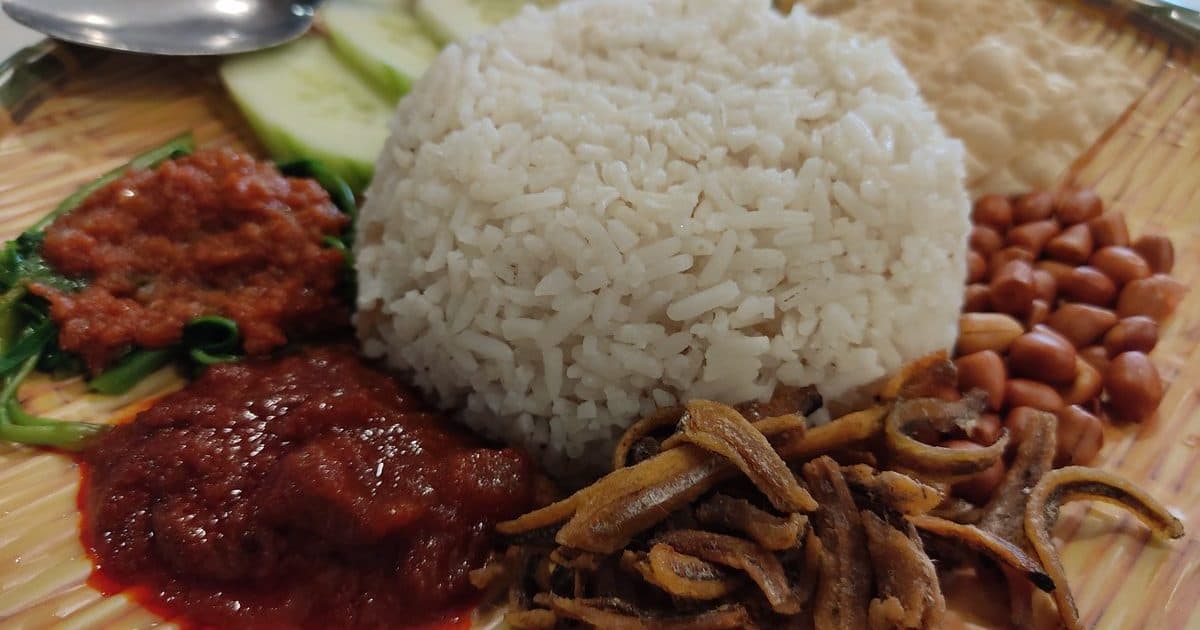
 Dr.Francostein1975 / CC BY-SA 4.0
In This Guide
Why Malaysia is Perfect for Muslim Travelers
Malaysia goes beyond Muslim-friendly to Muslim-fluent. With a 63.5% Muslim population, halal infrastructure is woven into the fabric of daily life, not tacked on as an afterthought. This is a country where finding halal food is easier than finding a parking spot, and prayer rooms are as common as coffee shops. For Muslim travelers, Malaysia feels less like a foreign destination and more like coming home to a place you've never been.
The Halal Advantage: Why Malaysia Leads the Pack
Malaysia has positioned itself as the global leader in halal tourism, and the numbers back up the claim. The country's JAKIM certification is recognized as the gold standard worldwide, when you see that logo, you know the entire supply chain has been verified, well beyond the final product. It's halal from farm to fork, with no shortcuts.
What Sets Malaysia Apart:
- JAKIM recognizes halal certification bodies across 46 countries (the halal equivalent of a Michelin star)
- Prayer facilities in every mall, airport, hospital, and public building
- Halal is the default setting, non-halal places must clearly identify themselves
- Azan broadcast five times daily in most areas (your phone alarm becomes redundant)
- Ramadan transforms the country with bazaars, iftar buffets, and adjusted schedules
- Friday prayers accessible everywhere, mosques, offices, malls all accommodate
By the Numbers: Malaysia's Halal Infrastructure
| Metric | Count | Context |
|---|---|---|
| Halal restaurants | Majority | Non-halal is the exception |
| JAKIM-certified establishments | Thousands | Rigorously audited |
| Halal-certified hotels | 100+ | Full kitchen compliance |
| Malls with surau | 100% | Multiple per mall |
| Fast-food chains (halal) | All major | McDonald's to Starbucks |
Regional Breakdown: Know Before You Go
Understanding the Muslim population distribution helps you plan. East coast states are deeply conservative, while cosmopolitan KL offers more variety.
Predominantly Muslim (95%+):
- Kelantan: Most conservative, traditional Malay culture, limited nightlife
- Terengganu: Beautiful beaches, strong Islamic heritage, modest dress expected
Majority Muslim (80%+):
- Kedah, Perlis, Pahang: Rural charm, authentic Malay experience
- Negeri Sembilan, Melaka: Historical significance, cultural depth
Mixed Population (60-70%):
- Selangor, KL, Johor: Cosmopolitan, diverse dining, modern amenities
- Best of both worlds, halal everywhere but multicultural atmosphere
Diverse (40-50%):
- Penang: Food paradise, Chinese-Malay mix, halal clearly marked
- Sabah, Sarawak: Indigenous cultures, halal available in towns
The Practical Reality
Traveling halal in Malaysia requires zero extra effort. You won't need to research restaurants beforehand, carry snacks "just in case," or worry about cross-contamination. The infrastructure exists because it serves the majority population, you're benefiting from a system built for 20 million Muslims, not retrofitted for tourists.
Understanding Halal Certification
Not all halal certifications are created equal, and Malaysia's JAKIM standard sits at the top of the pyramid. Understanding the certification landscape helps you make informed choices, because "halal" without verification is just a word, while JAKIM certification is a guarantee backed by rigorous auditing.
JAKIM: The Gold Standard Explained
The Department of Islamic Development Malaysia (JAKIM) runs the most comprehensive halal certification program globally. When a restaurant or product carries the JAKIM logo, it means every step of the supply chain has been verified, from ingredient sourcing to preparation methods to staff training.
What JAKIM Certification Actually Requires:
- Complete supply chain verification (ingredients traced to source)
- Zero cross-contamination protocols (separate storage, utensils, preparation areas)
- Regular surprise audits (in addition to annual inspections)
- Staff training in halal procedures (everyone, the chef included)
- Dedicated halal storage facilities (no sharing with non-halal items)
- Documentation of every supplier and ingredient
The Audit Process:
JAKIM keeps checking over time. Certified establishments undergo regular inspections, and certification can be revoked for violations. This ongoing accountability is what makes the certification meaningful, it's a continuous commitment.
Certification Hierarchy: What Each Level Means
| Certification | Issuing Body | Verification Level | Trust Rating |
|---|---|---|---|
| JAKIM Halal | Federal government | Full supply chain audit | Highest |
| State Halal (JAIN/JAIS) | State Islamic councils | State-level verification | High |
| Muslim-owned | Self-declared | Owner attestation only | Medium |
| "No Pork, No Lard" | Self-declared | Ingredient claim only | Low |
| Unmarked | None | Unknown | Verify individually |
Reading the Signs: Quick Identification Guide
Green Flags (Safe to Eat):
- JAKIM logo displayed prominently
- State Islamic council certification
- Malay/Arabic signage with Islamic imagery
- Located in Malay-majority areas
- Staff wearing hijab (strong indicator, not guarantee)
Yellow Flags (Verify First):
- "Muslim-owned" without certification (usually fine, but ask)
- "No pork, no lard" signs (may still serve alcohol)
- Mixed-language signage (could go either way)
- Tourist areas (higher chance of non-halal neighbors)
Red Flags (Likely Non-Halal):
- Chinese characters only (no Malay/English)
- Pork dishes visible on menu
- Alcohol prominently displayed or served
- Located in Chinatown without halal signage
- Roast duck/char siu hanging in window
The "Muslim-Owned" Question
Many establishments display "Muslim-owned" without official certification. In practice, these are almost always halal, a Muslim owner has religious obligation to maintain halal standards. However, without certification, there's no external verification of suppliers or procedures.
When Muslim-Owned is Sufficient:
- Small family restaurants (owner is cooking)
- Malay kampung (village) eateries
- Street food stalls in Malay areas
- Home-based businesses
When to Prefer JAKIM Certification:
- Large restaurants with complex supply chains
- Hotels and catering services
- Processed or packaged foods
- When you have specific dietary concerns
International Halal Certifications
If you see certifications from other countries, here's how they compare:
Recognized by JAKIM:
- MUIS (Singapore): Equivalent standard
- MUI (Indonesia): Accepted
- CICOT (Thailand): Accepted
- IFANCA (USA): Accepted
Approach with Caution:
- Self-certification from non-Muslim countries
- Unknown certification bodies
- Expired certificates (check dates)
Halal Dining Guide
Eating halal in Malaysia isn't a limitation, it's a liberation. You're not restricted to a handful of "halal options"; you have access to one of the world's great cuisines in its authentic form. The challenge isn't finding halal food; it's deciding which of the thousands of options to try first.
Always Halal: Your Safe Havens
These categories are halal by default. Walk in with confidence, order without asking, and eat without worry.
Mamak Restaurants: The 24/7 Institution
Indian-Muslim eateries that never close, serving comfort food that's become Malaysia's unofficial national cuisine. Every neighborhood has at least one, and they're all halal.
The Mamak Menu Decoded:
- Roti canai (RM1.50-2.50): Flaky flatbread, tear and dip in curry, breakfast of champions
- Roti telur (RM3-4): Roti with egg folded in, more substantial
- Mee goreng mamak (RM6-8): Fried noodles with that distinctive sweet-spicy kick
- Nasi goreng (RM6-8): Fried rice, Malaysian style with kicap manis
- Maggi goreng (RM6-7): Fried instant noodles, sounds wrong, tastes incredibly right
- Teh tarik (RM2-3): Pulled milk tea, the national drink, frothy and sweet
- Milo dinosaur (RM4-5): Milo with extra Milo powder on top, trust the process
Famous Mamak Chains:
- Pelita: Consistent quality across dozens of locations
- Nasi Kandar Pelita: Penang-style rice with curry selection
- Restoran Kayu: Nasi kandar specialists, generous portions
- Mamak Corner: Late-night favorite in KL
Malay Restaurants: Traditional Excellence
Authentic Malay cuisine, always halal, ranging from humble warungs to upscale establishments.
Must-Try Dishes:
- Nasi lemak: Coconut rice with sambal, the national dish
- Rendang: Slow-cooked meat in coconut and spices
- Satay: Grilled skewers with peanut sauce
- Laksa: Spicy noodle soup (varies by region)
- Ayam penyet: Smashed fried chicken with sambal
Recommended Restaurants:
- Rebung (KL): Chef Ismail's traditional recipes
- Seri Melayu (KL): Fine dining Malay
- Madam Kwan's: Modern Malaysian, mall-friendly
- Village Park (KL): Famous nasi lemak
Fast Food: All Halal in Malaysia
Every major international chain operating in Malaysia is JAKIM-certified. No exceptions, no asterisks.
Certified Chains:
- McDonald's, KFC, Pizza Hut, Burger King
- Domino's, Subway, Nando's, Texas Chicken
- Starbucks, Coffee Bean, ZUS Coffee
- A&W, Carl's Jr., Tealive
Mall Food Courts: 90%+ Halal
Food courts in Malaysian malls are predominantly halal. Non-halal stalls (usually serving pork dishes) are physically separated and clearly marked, often in a different section entirely.
How It Works:
- Halal section: Main food court area
- Non-halal section: Separate corner, different signage
- Shared seating: Usually fine, but separate if you prefer
Areas Requiring Attention
Not everywhere is automatically halal. These areas need verification:
Chinatown (Petaling Street, KL):
- Mixed halal and non-halal
- Look for halal signage specifically
- Many Muslim-owned stalls exist, ask if unsure
- Avoid stalls with hanging roast meats
Bangsar:
- Trendy area with many bars and Western restaurants
- Halal options exist but aren't the majority
- Check before sitting down
Bukit Bintang:
- Tourist area, very mixed
- Jalan Alor is mostly non-halal (Chinese seafood street)
- Halal options on parallel streets
Penang Old Town:
- Famous for food, but many Chinese non-halal eateries
- Halal stalls clearly marked
- Nasi kandar shops are always safe
Finding Halal Food: Digital Tools
Essential Apps:
- Halal Trip: Restaurant finder with reviews and photos
- Zabihah: Global halal database, user-contributed
- Google Maps: Filter reviews for "halal" mentions
- Grab Food: Has halal filter for delivery
Verification Strategy:
- Check for JAKIM/state halal logo
- Look for Muslim staff (hijab is a good indicator)
- Check menu for pork/alcohol
- When in doubt, ask, Malaysians are helpful
- Use apps to verify before visiting
Halal Food & Health Essentials
Order halal food delivered or shop halal-certified health and beauty products.


Prayer Facilities Guide
Finding a place to pray in Malaysia is easier than finding a place to park. Surau (prayer rooms) are everywhere, not hidden away in basements, but prominently located and well-maintained. The country's Muslim majority means prayer facilities are built into the infrastructure, not added as an afterthought.
Shopping Malls: Prayer Room Paradise
Every mall in Malaysia has surau, usually on multiple floors. These aren't token gestures, they're proper facilities with everything you need.
Standard Mall Surau Features:
- Separate sections for men and women
- Ablution (wudhu) facilities with proper drainage
- Prayer mats provided (clean and regularly replaced)
- Telekung (women's prayer garments) often available
- Air-conditioned (essential in Malaysian heat)
- Qibla direction clearly marked
- Shoe racks at entrance
- Usually near restrooms for convenience
Finding Surau in Malls:
- Check directory boards (listed as "Surau" or "Prayer Room")
- Usually located near restrooms on each floor
- Ask any staff member, they'll direct you immediately
- Larger malls have multiple surau (one per wing)
Peak Times to Avoid:
- Friday 12:30-2pm (Jumaat prayers, men's section crowded)
- Maghrib time (everyone prays at sunset)
- During Ramadan iftar time
Airports: Never Miss a Prayer
Malaysian airports prioritize prayer facilities. You'll find surau before security, after security, and near gates.
KLIA (Main Terminal):
- Multiple surau throughout terminal
- 24-hour access
- Ablution facilities attached
- Near gates for last-minute prayers
KLIA2 (Budget Terminal):
- Surau in departure and arrival halls
- Gateway Mall has additional facilities
- Well-signposted throughout
Domestic Airports:
- All Malaysian airports have prayer facilities
- Usually near departure gates
- Smaller but adequate
Hotels: What to Expect
Most Malaysian hotels accommodate Muslim guests as standard practice.
Typical Hotel Provisions:
- Prayer mats available on request (call housekeeping)
- Qibla direction sticker in room (check drawer or wall)
- Some hotels have dedicated prayer rooms
- Bidet/water spray in bathroom (standard in Malaysia)
Muslim-Friendly Hotel Chains:
- De Palma Hotels: Fully halal, dedicated surau
- Tabung Haji Hotels: Owned by pilgrimage fund, Islamic focus
- PNB Hotels: Government-linked, halal certified
- Most international chains: Prayer mats on request
Public Spaces: Surau Everywhere
Always Available:
- Petrol stations (every single one has surau)
- Highway rest stops (R&R areas)
- Government buildings
- Universities and colleges
- Hospitals (usually multiple locations)
- Bus terminals
- Train stations (major ones)
Finding Mosques:
- Google Maps: Search "masjid" or "mosque"
- Muslim Pro app: Mosque finder with directions
- Ask locals: Malaysians happy to help
- Follow the azan: Sound carries, follow your ears
Major Mosques Worth Visiting
These aren't just prayer spaces, they're architectural landmarks open to visitors.
Kuala Lumpur:
- Masjid Negara (National Mosque): Stunning modernist design, 73m minaret, can hold 15,000 worshippers
- Masjid Jamek: Historic mosque at river confluence, beautiful Indo-Moorish style
Putrajaya:
- Masjid Putra (Pink Mosque): Iconic rose-granite construction, lakeside setting, Instagram favorite
- Masjid Tuanku Mizan (Iron Mosque): Modern steel and glass design
Shah Alam:
- Masjid Sultan Salahuddin (Blue Mosque): Largest in Malaysia, stunning blue dome
Penang:
- Masjid Kapitan Keling: Historic Indian-Muslim mosque, beautiful architecture
Terengganu:
- Masjid Kristal (Crystal Mosque): Unique steel and glass structure on island
Prayer Times in Malaysia
Times vary slightly by location and season. Use Muslim Pro app for accurate daily times.
Approximate Times (KL):
- Fajr: 5:45-6:00am
- Dhuhr: 1:15-1:30pm
- Asr: 4:30-4:45pm
- Maghrib: 7:15-7:30pm
- Isha: 8:30-8:45pm
Seasonal Variation:
- Times shift by 15-20 minutes throughout year
- East coast slightly earlier than west coast
- Always verify with app or local mosque
Practical Tips
Carrying Essentials:
- Compact travel prayer mat (optional, always provided)
- Qibla compass app on phone
- Socks for mosque visits (easier than removing shoes repeatedly)
- Small water bottle for wudhu if facilities unavailable
Mosque Etiquette:
- Remove shoes before entering
- Women: Cover hair, arms, legs (robes often provided)
- Men: Avoid shorts above knee
- Don't walk in front of people praying
- Phones on silent
- Photography usually allowed (ask first in prayer halls)
Muslim-Friendly Hotels
Choosing the right hotel can make or break a halal travel experience. In Malaysia, most hotels naturally accommodate Muslim guests, but some go above and beyond with dedicated facilities and services. Here's how to find accommodation that aligns with your needs.
What Makes a Hotel Truly Muslim-Friendly?
Beyond just serving halal food, genuinely Muslim-friendly hotels consider the complete guest experience.
Essential Features:
- Halal-certified kitchen (beyond "halal options")
- Prayer mats available in room or on request
- Qibla direction indicated (sticker or compass)
- Bidet or water spray in bathroom
- No minibar alcohol (or removable on request)
- Proximity to mosques
Enhanced Features:
- Dedicated surau on premises
- Separate swimming pool hours for women
- Halal room service available 24/7
- Quran in room
- Ramadan iftar arrangements
- Airport prayer time announcements
Dedicated Muslim-Friendly Hotel Chains
These chains are built from the ground up with Muslim travelers in mind.
De Palma Hotels:
- Fully halal-certified throughout
- Dedicated prayer facilities
- No alcohol on premises
- Locations in KL, Ampang, Shah Alam
- Price range: RM150-300/night
- Best for: Families, conservative travelers
Tabung Haji / Raia Hotels:
- Linked to Malaysia's pilgrimage fund
- Complete Islamic environment
- Often near major mosques
- Select locations (KL, Penang, Kota Kinabalu, others)
- Price range: RM100-250/night
- Best for: Hajj/Umrah preparation, religious travelers
PNB Hotels (Perdana, Grand BlueWave):
- Government-linked, halal certified
- Professional service standards
- Good business facilities
- Price range: RM200-400/night
- Best for: Business travelers, families
Impiana Hotels:
- Muslim-friendly focus
- Halal dining options
- Prayer facilities
- Locations in KL, Ipoh, Cherating
- Price range: RM250-500/night
- Best for: Mid-range comfort seekers
International Chains: What to Expect
Major international chains in Malaysia typically offer halal options, but the level of accommodation varies.
Fully Accommodating:
- Shangri-La: Halal restaurants, prayer mats, excellent service
- Marriott properties: Halal options, responsive to requests
- Hilton: Halal-certified restaurants in most properties
- InterContinental: Good halal provisions
Request in Advance:
- Hyatt: Halal available, specify when booking
- Westin: Can accommodate, communicate needs
- Four Seasons: Luxury service includes halal options
Budget International Chains:
- Holiday Inn: Kids eat free programs, halal breakfast
- Ibis: Basic but reliable, halal options vary
- Best Western: Check individual properties
Budget Options for Muslim Travelers
Halal-friendly doesn't have to mean expensive.
Budget Hotel Chains:
- Tune Hotels: RM100-200/night, basic but clean, halal breakfast available
- OYO: Variable quality, check reviews for halal mentions
- Hotel 81: Singapore chain, basic Muslim-friendly options
- Cititel: Mid-budget, halal restaurants
Hostels:
- Many hostels in Malaysia are Muslim-owned
- Shared kitchens may have halal/non-halal mixing, ask
- Female-only dorms available at some hostels
- Check reviews for Muslim traveler feedback
Airbnb and Vacation Rentals
Self-catering gives you complete control over your halal requirements.
What to Look For:
- "Muslim-friendly" mentioned in listing
- Bidet or water spray in bathroom photos
- Kitchen for self-cooking
- Host responsiveness to questions
- Reviews from Muslim travelers
Questions to Ask Host:
- Are kitchen utensils halal-only?
- Is there a prayer mat available?
- What's the nearest mosque?
- Are there halal restaurants nearby?
Advantages:
- Cook your own halal meals
- More space for families
- Often cheaper for groups
- Washing machine for longer stays
Booking Strategies
Finding Muslim-Friendly Hotels:
- Filter "halal" on Booking.com or Agoda
- Check HalalBooking.com (dedicated platform)
- Read reviews mentioning "halal," "prayer," "Muslim"
- Look at hotel restaurant certifications
- Call ahead to confirm specific needs
Questions to Ask When Booking:
- Is the kitchen halal-certified or just halal options?
- Is there a surau on premises?
- Can the minibar be emptied?
- What's the nearest mosque?
- Are prayer mats provided?
Red Flags:
- "Halal options available" without certification
- Bar prominently featured in hotel
- No mention of Muslim facilities despite being in Malaysia
- Negative reviews from Muslim travelers
Location Considerations
Where you stay affects your halal experience.
Best Areas for Muslim Travelers:
- Kampung Baru (KL): Traditional Malay area, mosques everywhere
- Putrajaya: Government city, very Muslim-friendly
- Shah Alam: Near Blue Mosque, conservative area
- Kota Bharu: East coast, deeply Islamic
- Kuala Terengganu: Traditional, excellent halal food
Areas Requiring More Attention:
- Bukit Bintang: Tourist area, mixed options
- Bangsar: Trendy, many bars
- Penang Georgetown: Mixed, but halal available
- Langkawi: Tourist island, verify restaurants
Traveling During Ramadan
Ramadan in Malaysia is a special experience, the country transforms with food bazaars, community spirit, and a rhythm of life that revolves around fasting and feasting. Whether you're fasting or not, traveling during Ramadan offers unique cultural immersion you won't find any other time of year.
Ramadan 2026 Dates: February 18 - March 19 (estimated)
(Dates depend on moon sighting, may shift by a day)
What Changes During Ramadan
The holy month affects daily life in visible ways, especially in Malay-majority areas.
Daily Rhythm Shifts:
- Muslims fast from dawn (around 5:45am) to sunset (around 7:20pm)
- Many restaurants open but quieter during daytime
- Business hours may be shortened (especially government offices)
- Traffic peaks before iftar as everyone rushes home
- Night comes alive after iftar, bazaars, prayers, socializing
What Stays the Same:
- Tourist attractions remain open
- Hotels operate normally
- Non-Muslim restaurants unaffected
- Malls open regular hours
- Public transport runs as usual
Bazaar Ramadan: The Highlight
These temporary food markets are Ramadan's crown jewel, hundreds of stalls selling traditional Malay food, drinks, and desserts. Even if you're not fasting, the bazaar experience is unmissable.
What to Expect:
- Open daily from around 3pm to 7:30pm
- Hundreds of stalls per bazaar
- Traditional dishes you won't find elsewhere
- Incredibly affordable (RM5-15 per item)
- Festive atmosphere, community gathering
- Cash preferred (some accept e-wallets)
Must-Try Bazaar Foods:
- Murtabak: Stuffed pan-fried bread with meat and egg
- Ayam percik: Grilled chicken with coconut sauce
- Nasi kerabu: Blue rice with herbs and fish
- Tepung pelita: Two-layer coconut dessert
- Air katira: Rose-flavored milk drink with basil seeds
- Kuih-muih: Assorted traditional cakes and sweets
- Bubur lambuk: Savory rice porridge (often free from mosques)
Top Bazaar Ramadan Locations:
Kuala Lumpur:
- Kampung Baru: The most famous, massive selection
- Jalan TAR: Central location, easy access
- Kelana Jaya: Suburban favorite, less crowded
- Taman Tun Dr Ismail (TTDI): Quality over quantity
Penang:
- Batu Lanchang: Largest in Penang
- Jelutong: Local favorite
- Balik Pulau: Rural charm, authentic
Other States:
- Larkin, JB: Johor's biggest
- Stadium Shah Alam: Selangor's main bazaar
- Pasar Besar Siti Khadijah, Kota Bharu: East coast tradition
Iftar: Breaking Fast
Iftar is the meal that breaks the daily fast at sunset. It's a communal experience, and visitors are often welcomed.
Hotel Iftar Buffets:
- Major hotels offer special Ramadan buffets
- Price range: RM80-200 per person
- Extensive spread of Malay dishes
- Dates and drinks to break fast
- Festive decorations and atmosphere
- Book in advance, very popular
Mosque Iftar:
- Many mosques distribute free food for iftar
- Open to all, including non-Muslims
- Simple but authentic experience
- Bubur lambuk (rice porridge) commonly served
- Arrive before Maghrib prayer time
Restaurant Iftar:
- Many restaurants offer iftar sets
- Pre-ordered meals ready at sunset
- Good value compared to regular prices
Tips for Non-Fasting Visitors
Malaysia is tolerant, but awareness shows respect.
Eating in Public:
- Technically fine, Malaysia doesn't enforce fasting on non-Muslims
- Be discreet in conservative areas (Kelantan, Terengganu)
- Eat inside restaurants rather than on the street
- Hotel restaurants always available
- Malls have food courts operating normally
Showing Respect:
- Don't eat directly in front of fasting colleagues
- Avoid offering food to Muslims during fasting hours
- Understand if service is slower (staff may be fasting)
- Dress modestly, especially near mosques
Practical Considerations:
- Some small restaurants may close during day
- Grab Food and delivery services operate normally
- Stock up on snacks if staying in conservative areas
- Hotel breakfast available as usual
Hari Raya Aidilfitri: The Grand Finale
Hari Raya marks the end of Ramadan, Malaysia's biggest celebration.
2026 Dates: March 20-21 (public holidays, estimated)
(Actual date depends on moon sighting)
What Happens:
- Two-day public holiday (many take extended leave)
- Open houses, families welcome visitors with food
- New clothes, family gatherings, forgiveness rituals
- Festive decorations everywhere
- Traditional cookies and treats
Travel Implications:
- Book accommodation weeks in advance
- Expect heavy traffic (balik kampung, return to hometown)
- Many businesses closed for 2-3 days minimum
- Some tourist areas quieter (locals visiting family)
- Prices may increase 20-50%
Open House Culture:
- Malaysians host open houses during Hari Raya
- Visitors welcome, even strangers
- Food served generously
- Dress modestly and respectfully
- Bring small gift if visiting someone's home
Planning Your Ramadan Visit
Best Strategy:
- Visit bazaars in late afternoon (4-6pm for best selection)
- Plan iftar experiences at hotels or mosques
- Book Hari Raya accommodation early
- Embrace the different rhythm
- Use quieter daytime for sightseeing
What to Pack:
- Modest clothing for mosque visits
- Cash for bazaar shopping
- Appetite for evening feasting
- Patience for adjusted schedules
- Open mind for cultural immersion
Practical Tips for Muslim Travelers
The difference between a good trip and a great trip often comes down to preparation. These practical tips will help you navigate Malaysia smoothly, respect local customs, and make the most of your halal travel experience.
Packing Essentials for Muslim Travelers
Prayer Items:
- Compact travel prayer mat (optional, always provided, but yours is familiar)
- Qibla compass or smartphone app
- Travel-size prayer beads (tasbih) if you use them
- Small Quran or Quran app downloaded offline
Clothing:
- Modest clothing for daily wear (Malaysia is relaxed but modest)
- Telekung for women (prayer garment, available locally if needed)
- Long pants/skirts for mosque visits
- Headscarf for women (mosques provide, but own is more comfortable)
- Socks for mosque visits (easier than removing shoes repeatedly)
Practical Items:
- Miswak or travel toothbrush for wudhu
- Small water bottle (for wudhu if facilities unavailable)
- Hand sanitizer (halal-certified if particular)
- Snacks for travel days (verified halal)
Mosque Visit Etiquette
Visiting mosques in Malaysia is welcomed, but proper etiquette shows respect.
Before Entering:
- Remove shoes (shoe racks provided)
- Perform wudhu if praying (facilities available)
- Silence your phone
- Check if non-prayer visitors are allowed (most welcome tourists)
Dress Requirements:
- Women: Cover hair, arms to wrists, legs to ankles
- Men: Cover knees, avoid sleeveless shirts
- Robes provided at major mosques for visitors
- Avoid tight or revealing clothing
Inside the Mosque:
- Don't walk in front of people praying
- Speak quietly or remain silent
- Don't point feet toward qibla when sitting
- Photography usually allowed in non-prayer areas (ask first)
- Non-Muslims typically cannot enter prayer halls during prayer times
Visiting Hours:
- Most mosques open to visitors outside prayer times
- Friday: Closed to tourists 12-2pm (Jumaat prayers)
- Best times: Mid-morning (9-11am) or mid-afternoon (3-5pm)
Dress Code by Region
Malaysia's dress expectations vary significantly by location.
Kuala Lumpur & Major Cities:
- Relaxed dress code
- Shorts and t-shirts acceptable
- Modest dress appreciated but not required
- Cover up for mosque visits
East Coast (Kelantan, Terengganu):
- More conservative expectations
- Women should cover shoulders and knees
- Avoid tight or revealing clothing
- Headscarves appreciated (not required for non-Muslims)
Beach Areas (Langkawi, Perhentian):
- Swimwear fine at beaches and pools
- Cover up when leaving beach area
- Some resorts have women-only pool hours
- Modest swimwear available locally
General Guidelines:
- When in doubt, dress modestly
- Observe what local women wear
- Carry a light cardigan or shawl for mosque visits
- Malaysians won't confront you, but modest dress shows respect
Useful Malay Phrases
Basic phrases go a long way in showing respect and getting help.
Halal-Related:
- "Halal ke?" = Is it halal?
- "Ada daging babi?" = Does it have pork?
- "Tanpa babi" = Without pork
- "Tanpa arak" = Without alcohol
Prayer-Related:
- "Ada surau?" = Is there a prayer room?
- "Surau dekat mana?" = Where is the prayer room?
- "Masjid dekat mana?" = Where is the nearest mosque?
- "Waktu solat bila?" = What time is prayer?
General Useful:
- "Terima kasih" = Thank you
- "Sama-sama" = You're welcome
- "Maaf" = Sorry/Excuse me
- "Berapa harga?" = How much?
- "Sedap!" = Delicious!
Essential Apps for Muslim Travelers
Prayer & Qibla:
- Muslim Pro: Prayer times, Qibla, Quran, mosque finder (the essential app)
- Athan: Alternative prayer time app
- Qibla Connect: Simple Qibla compass
Halal Food:
- Halal Trip: Restaurant finder with reviews and photos
- Zabihah: Global halal database, user reviews
- Grab Food: Delivery with halal filter
General Travel:
- Google Maps: Navigation, mosque search
- Grab: Ride-hailing (essential in Malaysia)
- Google Translate: Malay translation
Money-Saving Tips for Halal Travel
Eating halal in Malaysia is naturally budget-friendly.
Best Value Halal Food:
- Mamak restaurants: RM5-10 per meal, open 24/7
- Bazaar Ramadan: RM5-15 per item (during Ramadan)
- Food courts: RM8-15 per meal, air-conditioned
- Economy rice (nasi campur): RM6-10, point and choose
Accommodation Savings:
- Muslim-owned guesthouses often cheaper
- Airbnb with kitchen (cook your own halal meals)
- Tabung Haji hotels (budget-friendly, fully halal)
- Book during non-peak periods (avoid Hari Raya)
Avoid Tourist Traps:
- Skip "halal" restaurants in tourist areas (overpriced)
- Eat where locals eat
- Mamak near your hotel beats hotel restaurant
- Street food is safe and cheap
Common Mistakes to Avoid
Food-Related:
- Assuming all Chinese restaurants are non-halal (many are halal)
- Not checking certification (Muslim-owned ≠ certified)
- Eating at Jalan Alor without checking (mostly non-halal)
- Skipping mamak restaurants (best value halal food)
Prayer-Related:
- Not downloading Muslim Pro before arriving
- Rushing prayers due to sightseeing schedule
- Missing Friday prayers (mosques everywhere)
- Not asking for prayer mat at hotel (always available)
Cultural:
- Wearing shoes into prayer areas
- Walking in front of people praying
- Photographing people praying without permission
- Assuming conservative dress required everywhere
Emergency Contacts
If You Need Help:
- Tourist Police: 03-2149 6590
- General Emergency: 999
- Islamic Tourism Centre: 03-8891 7177
- Nearest embassy (for serious issues)
Medical Needs:
- Pharmacies (Guardian, Watsons) everywhere
- Private hospitals excellent and affordable
- Halal medication available (ask pharmacist)
- Travel insurance recommended
The Future of Halal Travel in Malaysia (2027 & Beyond)
These are forward-looking predictions, not guarantees, but Malaysia's trajectory as the world's halal capital is so strong that optimism feels less like hope and more like a safe bet.
Where halal travel in Malaysia is heading:
- Malaysia will keep its #1 crown in the Global Muslim Travel Index. Expect the country to widen its lead through 2030, setting the global benchmark other destinations scramble to copy.
- JAKIM certification is becoming the planet's gold standard. As JAKIM mutual-recognition agreements expand well beyond today's 46 countries, a single scan of the JAKIM logo will reassure travellers anywhere on Earth, and Malaysian halal exports are forecast to boom.
- Smart-surau and live-prayer infrastructure is coming everywhere. Predict app-integrated prayer-room finders, real-time azan notifications and QR-verified halal menus in every mall, airport and highway R&R by 2028, frictionless worship and dining.
- Muslim-friendly luxury will explode. Expect a wave of fully halal five-star resorts, women-only wellness floors and alcohol-free premium hotels, making Malaysia the go-to for discerning Muslim honeymooners and families.
- Ramadan tourism becomes a global headline event. The bazaars of Kampung Baru and beyond are tipped to draw record international visitors, with curated iftar trails and digital bazaar maps turning the holy month into a bucket-list cultural experience.
- Halal food delivery and e-commerce will be effortlessly Muslim-fluent, with verified-halal filters as standard, order a JAKIM-certified feast on foodpanda or stock your kitchen with halal essentials on Shopee and the certification is just a tap away.
For Muslim travellers, the message is simple and joyful: Malaysia is only getting easier, richer and more welcoming. The best halal journeys are still ahead.
Top 10 Most-Reviewed Restaurants in Malaysia
Ranked by Google review count, updated weekly
- 1.
K Fry Urban Korean Holiday Villa
Holiday Villa, 260, Jalan Dato Sulaiman, Taman Abad, Johor Bahru
4.922.2k - 2.
Dragon’s Journey Hotpot JB
25D, Jalan Dato Abdullah Tahir, Taman Abad, Johor Bahru
4.917.8k - 3.
Kopitiam Kita
Jalan Sri Cemerlang, Taman Desa Jasa, Kota Bharu
4.714.6k - 4.
Village Park Restaurant
5, Jalan SS 21/37, Damansara Utama, Petaling Jaya
4.313.4k - 5.
Kuroma Buffet & Dining
TD Central, 3, Jalan Sagu 21, Taman Daya, Johor Bahru
4.910.9k - 6.
De.Wan 1958 by Chef Wan
The Linc, 360, Jln Tun Razak, Taman U Thant, Kuala Lumpur
4.79.8k - 7.
Gurney Drive Hawker Center
172, Solok Gurney 1, Pulau Tikus, Jelutong
3.89.6k - 8.
Ikan Bakar Sabah
10, Lorong Bunga Telur, Tanjung Aru, Kota Kinabalu
4.87.7k - 9.
Mohd Chan Chinese Muslim Restaurant @ Glenmarie
No 1, Ground Floor, Jalan Penguasa U1/53A, Glenmarie Temasya Square,, Glenmarie, Shah Alam
4.77.7k - 10.
Welcome Seafood Restaurant
Lot G 18, Ground Floor, Kompleks Asia City, Phase 2A, Jalan Asia City, Pusat Bandar Kota Kinabalu, Kota Kinabalu
4.07.5k
Sources & References
Data in this guide is cross-referenced against the following official sources.
- JAKIM Halal Portal Official halal certification, verify any restaurant or product
- Halal Development Corporation (HDC) Halal industry development, export standards
- Tourism Malaysia Halal food trails and Muslim-friendly tourism