
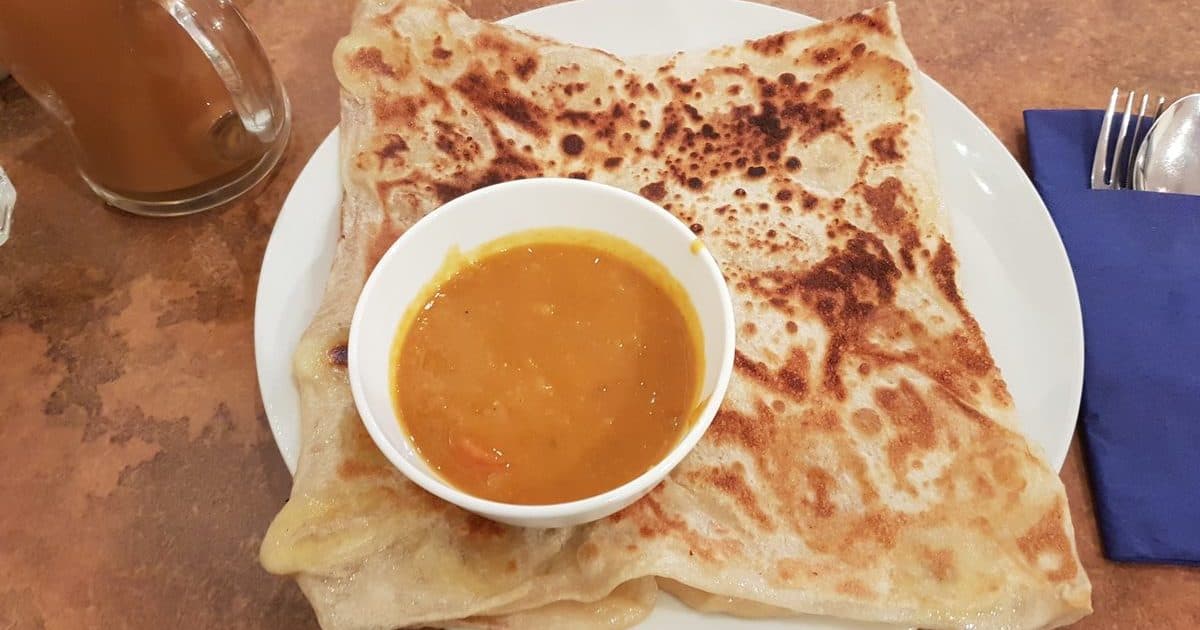
 Misaochan / CC BY-SA 3.0
In This Guide
What Makes Kopitiam & Mamak Culture Uniquely Malaysian
Malaysia's kopitiam coffeehouses and mamak restaurants are far more than places to eat. They are social institutions, community living rooms, and cultural anchors that define daily Malaysian life in a way no other dining establishment in the world quite matches. The sociologist Ray Oldenburg coined the term "third place" to describe social spaces that are neither home nor work -- in Malaysia, the kopitiam and mamak are the third place, and they have been for over a century.
The Soul of Malaysian Social Life
Walk through any Malaysian town at any hour and you'll find people gathered at these establishments. The morning crowd at a kopitiam reads newspapers over kopi and kaya toast. The afternoon sees retirees playing chess and students doing homework. By evening, the mamak fills with families, couples, and groups of friends. At 2 AM, you'll still find the mamak alive with football fans watching the Premier League, night-shift workers having supper, and friends who simply have nowhere else they'd rather be.
What makes these places special is their radical inclusivity. In a country with distinct ethnic communities -- Malay, Chinese, Indian, and many others -- the kopitiam and mamak are spaces where everyone mingles. A Chinese businessman sits next to a Malay student, an Indian family shares a table with tourists. This is Malaysia's unofficial integration policy, enacted daily over roti canai and teh tarik.
Kopitiam vs Mamak vs Modern Cafe
| Feature | Kopitiam | Mamak | Modern Cafe |
|---|---|---|---|
| Origins | Hainanese Chinese immigrants (1900s) | Indian Muslim traders (1800s) | Western-influenced (2010s) |
| Hours | 6 AM - 4 PM (traditional) | 24 hours | 8 AM - 10 PM |
| Cuisine | Chinese-Malaysian | Indian-Muslim-Malaysian | Western fusion |
| Signature Drink | Kopi (sock-filtered coffee) | Teh tarik (pulled tea) | Latte, flat white |
| Avg. Spend | RM5-12 | RM8-15 | RM20-45 |
| Seating | Marble tables, wooden chairs | Plastic chairs, open-air | Cushioned, air-conditioned |
| WiFi | Rarely | Sometimes | Always |
| Atmosphere | Nostalgic, communal | Loud, vibrant, sports | Instagram-ready |
| Halal Status | Usually non-halal | Always halal | Varies |
| Cultural Role | Morning ritual, heritage | Social hub, sports bar | Work, date, study |
Why These Matter
The kopitiam and mamak are not relics of the past clinging to relevance -- they are thriving, evolving institutions. Malaysia has more mamak restaurants than McDonald's, KFC, and Starbucks outlets combined. Kopitiams have spawned billion-ringgit chains like OldTown White Coffee while traditional ones still operate with the same marble-top tables their founders installed 80 years ago. UNESCO has recognized similar hawker culture in Singapore, and Malaysia's kopitiam-mamak ecosystem is a strong candidate for intangible cultural heritage status.
Understanding these institutions is understanding Malaysia itself.
The History of the Kopitiam: From Hainanese Coffeehouses to National Icon
The word "kopitiam" combines the Malay word kopi (coffee) with the Hokkien/Hakka word tiam (shop). This bilingual portmanteau is fitting, because the kopitiam has always been a bridge between cultures. Its story begins with the Hainanese Chinese, who arrived in British Malaya in the late 19th century.
Why the Hainanese?
When Chinese migrants came to Malaya, different dialect groups dominated different trades. The Hokkien controlled shipping and banking. The Cantonese ran construction and tin mining. The Hakka farmed and traded. The Teochew fished. The Hainanese, arriving last and in smaller numbers, found most trades already claimed. What they did find was work in British colonial households as cooks and servants. This turned out to be a golden opportunity: working for the British, Hainanese cooks learned Western techniques and developed fusion dishes that would become kopitiam staples -- Hainanese chicken chop, kaya (coconut jam), and, most importantly, their distinctive style of roasting coffee beans with sugar and butter.
When these cooks eventually left colonial service, many opened coffeehouses, bringing their unique recipes with them.
The Kopitiam Through the Decades
| Decade | Key Development | Cultural Impact |
|---|---|---|
| 1900s-1920s | First Hainanese coffeehouses open in Penang and KL | Gathering places for Chinese workers and merchants |
| 1930s | Kopitiam culture spreads to every major town | Standardized menu: kopi, kaya toast, soft-boiled eggs |
| 1940s-1950s | Japanese occupation disrupts, post-war recovery | Kopitiams become informal community centers and news hubs |
| 1960s | Independence era; kopitiams as political meeting spots | Where Malayans discussed nationhood over coffee |
| 1970s | Multi-tenant model matures: one kopitiam, multiple hawker stalls | Economic ecosystem: landlord rents out stall spaces |
| 1980s | Fast food chains arrive (McDonald's 1982); kopitiams seen as "old-fashioned" | First wave of closures; younger generation prefers Western brands |
| 1990s | Nostalgia movement begins; kopitiam culture reappreciated | Heritage preservation efforts in Penang and Melaka |
| 2000s | OldTown White Coffee (2005) and PappaRich (2005) launch | Kopitiam goes corporate; chains replicate traditional aesthetics |
| 2010s | Hipster cafes and specialty coffee boom | Kopitiams face competition but also renewed appreciation |
| 2020s-Present | Heritage kopitiam tourism; social media documentation | Old kopitiams become Instagram destinations; preservation urgency grows |
The Coffee Roasting Secret
What makes kopitiam coffee unmistakable is the roasting process. Traditional kopitiam operators roast Liberica and Robusta beans (not the Arabica used in Western coffee) with sugar and margarine or butter. The sugar caramelizes during roasting, giving the beans a glossy black coating and a distinctly rich, slightly burnt, intensely aromatic flavor. The coffee is then brewed by pouring boiling water through grounds held in a cloth "sock" filter -- a method that produces a thick, concentrated brew utterly unlike anything from an espresso machine or pour-over.
This process has remained essentially unchanged for over a century. When you drink kopi at a traditional kopitiam, you are tasting the same brew that plantation workers drank in the 1920s.
The Multi-Tenant Model
A distinctive feature of the kopitiam is its economic structure. The kopitiam owner controls the drinks -- coffee, tea, and other beverages. But the food comes from independent hawker stalls that rent space within the kopitiam. A single kopitiam might host a wonton mee seller, a curry mee specialist, an economy rice vendor, and a char kuey teow master, each operating independently. This model creates extraordinary variety under one roof and has been the economic launchpad for thousands of hawker families across generations.
The Kopitiam Coffee Ordering System: Your Essential Guide
Ordering coffee at a Malaysian kopitiam is a language unto itself. What looks like a confusing series of suffixes is actually an elegant, systematic code that lets you customize your drink with precision. Master this system and you'll feel like a local within minutes.
The Base System
Every drink starts with either Kopi (coffee) or Teh (tea). Then you add modifiers:
Complete Kopitiam Coffee & Tea Ordering Guide
| Order Name | What You Get | Sweetness Level | Best For |
|---|---|---|---|
| Kopi | Coffee + condensed milk | Sweet | First-timers, sweet tooth |
| Kopi-O | Black coffee + sugar | Medium-sweet | Purists who like some sweetness |
| Kopi-O-Kosong | Black coffee, no sugar | None | Health-conscious, coffee purists |
| Kopi-C | Coffee + evaporated milk + sugar | Medium-sweet | Those who want less sweetness than kopi |
| Kopi-C-Kosong | Coffee + evaporated milk, no sugar | None | Creamy but not sweet |
| Kopi Gao | Extra strong coffee + condensed milk | Sweet | Need a serious caffeine hit |
| Kopi Po | Weak/diluted coffee + condensed milk | Sweet | Sensitive to caffeine |
| Kopi Peng | Iced coffee + condensed milk | Sweet | Hot afternoons |
| Kopi-O Peng | Iced black coffee + sugar | Medium-sweet | Refreshing, less creamy |
| Kopi-C Peng | Iced coffee + evaporated milk + sugar | Medium-sweet | Popular modern choice |
| Kopi Cham | Coffee + tea mixed + condensed milk | Sweet | Adventurous drinkers, unique flavor |
| Kopi Cham Peng | Iced coffee-tea mix + condensed milk | Sweet | The best of both worlds |
| Kopi Gao Kosong | Extra strong black coffee, no sugar | None | Hardcore caffeine lovers |
| Teh | Tea + condensed milk | Sweet | Classic hot tea |
| Teh-O | Black tea + sugar | Medium-sweet | Lighter option |
| Teh-O-Kosong | Plain black tea, no sugar | None | Cleanest tea option |
| Teh-C | Tea + evaporated milk + sugar | Medium-sweet | Less sweet than teh |
| Teh-C Peng | Iced tea + evaporated milk + sugar | Medium-sweet | Extremely popular, refreshing |
| Teh Peng | Iced tea + condensed milk | Sweet | Classic iced option |
| Teh Tarik | "Pulled" tea, frothy + condensed milk | Sweet | The mamak signature drink |
| Teh Halia | Tea + ginger + condensed milk | Sweet | Sore throat, rainy days |
| Milo | Milo chocolate malt + condensed milk | Sweet | Kids and adults alike |
| Milo Peng | Iced Milo + condensed milk | Sweet | National obsession |
| Milo Dinosaur | Iced Milo with extra Milo powder on top | Very sweet | Instagram-worthy treat |
Decoding the Modifiers
- O = "black" (from Hokkien for "black") -- no milk
- C = evaporated milk (said to come from "Carnation" brand, though some say it's Hokkien for "fresh")
- Kosong = "empty" in Malay -- no sugar
- Peng = "ice" in Hokkien
- Gao = "thick/strong" in Hokkien
- Po = "thin/weak" in Hokkien
- Cham = "mix" -- coffee and tea blended together
- Tarik = "pull" in Malay -- tea poured between cups to create froth
- Halia = "ginger" in Malay
Pro Tips
- You can combine modifiers: "Kopi-C Gao Peng" = iced, strong coffee with evaporated milk and sugar
- "Kopi-O Peng Kosong" gets you iced black coffee with zero sweetness -- the most "Western" option
- The "C" in Kopi-C produces the closest thing to a Western coffee with cream
- Teh-C Peng is arguably Malaysia's most popular cold drink order
- If you want less sugar (but not zero), say "kurang manis" (less sweet)
- Different kopitiam have different sweetness levels -- what's normal at one may be cloyingly sweet at another
- The coffee is always strong by Western standards. Even a Kopi Po is more intense than most drip coffee
Order Kopitiam & Mamak Favorites
Get food delivery, cashback on dining, and coffee deals across Malaysia.

Food delivery from thousands of restaurants, hawker stalls, and grocery shops.

Earn cashback on every purchase. Works with Shopee, Lazada, Agoda, and 500+ stores.

Malaysia's largest coffee chain (~740-750 outlets). Use code EDWXWTG for rewards on your first order.

Malaysia's top app for shopping, food, and payments. Daily deals and free shipping.
Classic Kopitiam Dishes: The Essential Menu
Every kopitiam has its own specialties depending on the hawker stalls it hosts, but certain dishes are so ubiquitous they define the kopitiam experience. These are the foods that Malaysians eat for breakfast, lunch, and sometimes tea -- comfort dishes with decades of heritage behind every recipe.
The Kopitiam Food Bible
| Dish | Origin | Price Range (2026) | Must-Try At | Description |
|---|---|---|---|---|
| Kaya Toast + Soft-Boiled Eggs | Hainanese | RM3.50-6.00 | Yut Kee (KL), Toh Soon (Penang) | Charcoal-toasted bread with coconut jam (kaya) and butter, paired with runny eggs seasoned with soy sauce and white pepper |
| Hainanese Chicken Chop | Hainanese-British fusion | RM12-18 | Yut Kee (KL), Kok Sen (Penang) | Breaded chicken cutlet with brown gravy, peas, and fries -- colonial-era fusion |
| Char Kuey Teow | Teochew-Penang | RM7-12 | Siam Road (Penang), various stalls | Stir-fried flat rice noodles with prawns, cockles, bean sprouts, Chinese sausage, and egg in soy sauce |
| Hokkien Mee | Hokkien | RM7-12 | Kim Lian Kee (KL), Penang style differs | KL-style: dark soy braised noodles with pork. Penang-style: prawn broth soup noodles |
| Wonton Mee | Cantonese | RM7-11 | Meng Kee (KL), Ipoh town | Springy egg noodles with char siu (BBQ pork), wontons, and chili sauce -- dry or soup |
| Curry Mee / Laksa | Peranakan/Nyonya | RM7-12 | Madras Lane (KL), Air Itam (Penang) | Coconut curry broth with noodles, tofu puffs, cockles, and sambal -- varies by region |
| Economy Rice (Chap Fan) | Cantonese-Malaysian | RM6-12 | Any established kopitiam | Self-serve buffet-style: white rice with your choice of meat, vegetables, and side dishes. Price depends on selections |
| Nasi Lemak | Malay (adopted by all) | RM3-8 | Found at many kopitiam stalls | Coconut rice with sambal, fried anchovies, peanuts, cucumber, and boiled egg. The national dish |
| Pan Mee | Hakka | RM7-10 | Super Kitchen (KL), various | Hand-torn flour noodles in anchovy broth with minced pork, mushrooms, and fried anchovies |
| Chee Cheong Fun | Cantonese | RM4-7 | Ipoh and Penang | Steamed rice rolls with sweet sauce, chili, and shrimp paste -- silky smooth texture |
| Toast with Butter & Kaya | Hainanese | RM2.50-4.50 | Any traditional kopitiam | The quintessential kopitiam breakfast. Charcoal-toasted thick bread slathered with cold butter and pandan kaya |
| Roti Bakar | Malay-Chinese fusion | RM2.50-5.00 | Widespread | Toasted bread with various toppings: kaya, peanut butter, cheese, or Nutella |
The Kopitiam Breakfast Ritual
The classic kopitiam breakfast is a near-sacred combination: kaya toast, two soft-boiled eggs, and a cup of kopi. The toast should be charcoal-grilled (or at least heavily toasted), creating a crispy exterior and soft interior. The kaya -- a jam made from coconut milk, eggs, sugar, and pandan leaf -- should be homemade, with a rich green or brown color depending on the recipe. The eggs are cracked into a saucer, seasoned with a splash of dark soy sauce and a generous shake of white pepper, then slurped or scooped with the toast.
This breakfast costs between RM5-8 total and has sustained Malaysian mornings for over a century.
The Multi-Stall Advantage
What makes kopitiam dining special is that you can order from any stall in the establishment. One person at your table can have char kuey teow while another eats economy rice and a third enjoys wonton mee. The drinks always come from the kopitiam owner, but food from any stall. This creates an organic food court that predates the modern food court concept by decades.
Disappearing Dishes
Some kopitiam dishes are becoming rare as older hawkers retire without successors. If you find these, treasure them: hand-made fish balls (vs. factory), charcoal-grilled toast (vs. electric), hand-pulled noodles, and traditional coconut milk-based kaya (vs. commercial versions). The knowledge gap between a retiring 70-year-old hawker and the next generation is one of Malaysia's most significant cultural preservation challenges.
The Mamak Story: From Indian Muslim Traders to Malaysian Institution
The word "mamak" originally referred to Indian Muslims of Tamil origin (also called "Mamak" as a familiar term of address, like "uncle"). These communities trace their ancestry to the Madras Presidency of British India, particularly from Tamil Nadu and Kerala. Indian Muslim traders had been present in the Malay Archipelago for centuries, involved in the spice trade long before European colonization. But the modern mamak restaurant as Malaysia knows it evolved primarily in the 20th century.
Origins and Early Days
Indian Muslim migrants who came to Malaya brought with them the knowledge of roti prata (flatbread), pulled tea, and rich curries. Initially, they operated small street stalls and pushcarts, selling roti and tea to workers at markets, ports, and railway stations. These were humble operations -- a hot griddle, a sack of flour, a pot of dhal, and a kettle of tea were all that was needed.
The genius of the mamak model was its simplicity and accessibility. Roti canai requires only flour, water, ghee, and skill. The ingredients are cheap. The portion is filling. And the technique of flipping and stretching the dough created an irresistible spectacle that drew customers. The pulled tea (teh tarik) added another layer of theatre -- watching a mamak worker pour tea between two cups from arm's length, creating a frothy, perfectly mixed drink, was entertainment as much as food preparation.
Evolution Into a National Institution
| Era | Development | Significance |
|---|---|---|
| Pre-1900s | Indian Muslim traders sell roti and tea at ports and markets | Street food culture begins |
| 1900s-1940s | Permanent mamak stalls established in major towns | Became feeding stations for laborers |
| 1950s-1960s | Post-independence growth; mamak stalls upgrade to basic restaurants | Found their place in newly independent Malaya's social fabric |
| 1970s | 24-hour operation becomes standard; satellite TV arrives | The mamak as late-night social hub is born |
| 1980s | Football culture takes hold; EPL broadcast rights | Mamak becomes Malaysia's living room for sports |
| 1990s | Major chains like Pelita and Kayu expand | Mamak goes from stall to restaurant empire |
| 1998 | World Cup in France; mamak football culture peaks | Mamak watching parties become national events |
| 2000s | Mamak restaurants modernize: air-con, POS systems, delivery | Professional operations replace informal setups |
| 2010s | Food delivery apps (GrabFood, Foodpanda) boost mamak reach | Roti canai and mee goreng delivered to your door |
| 2020s-Present | Over 60,000 mamak restaurants nationwide; cultural icon status | Mamak included in Malaysia's National Heritage Register |
Why Mamak Succeeds Where Others Fail
Several factors explain the mamak's enduring dominance:
- Halal by default: In a Muslim-majority country, the mamak's halal status makes it universally accessible. Unlike kopitiams, which may serve pork, mamak restaurants are open to everyone regardless of dietary restrictions.
- 24-hour operation: No other restaurant category in Malaysia commits to round-the-clock service the way mamaks do. This makes them indispensable for shift workers, students, night owls, and anyone who's hungry at 3 AM.
- Price accessibility: A meal at a mamak rarely exceeds RM15. Roti canai and teh tarik for under RM5 is still possible in most places. This pricing has made mamaks the default affordable dining option for all income levels.
- The football factor: Malaysia is fanatical about European football, particularly the English Premier League. Mamak restaurants, with their large-screen TVs and communal atmosphere, became the natural venue for watching matches. This cultural marriage of football and mamak has become one of Malaysia's most distinctive social traditions.
- No pretension: There is no dress code, no reservation system, no minimum spend, and no judgment. You can sit for three hours nursing a single teh tarik and no one will bother you. This radical hospitality is the mamak's greatest cultural contribution.
Must-Visit Kopitiams and Mamaks Across Malaysia
Malaysia has thousands of outstanding kopitiams and mamak restaurants, but some have achieved legendary status. These are establishments where the food quality, heritage, atmosphere, or cultural significance sets them apart. A food tour of Malaysia is incomplete without visiting at least a few of these icons.
Legendary Kopitiams
| Name | Location | Famous For | Est. Year | Price Range | Why Visit |
|---|---|---|---|---|---|
| Yut Kee | Dang Wangi, KL | Hainanese chicken chop, roti babi, kaya | 1928 | RM8-20 | Nearly a century old; original recipes intact |
| Nam Heong | Ipoh Old Town | White coffee, egg tarts, salted chicken | 1956 | RM5-15 | Birthplace of Ipoh white coffee tradition |
| Sin Yoon Loong | Ipoh Old Town | White coffee, caramel custard | 1937 | RM5-12 | Rival to Nam Heong; equally legendary |
| Toh Soon | George Town, Penang | Charcoal-toasted bread, kaya toast in a back alley | 1950s | RM3-8 | Possibly Malaysia's most atmospheric kopitiam; tucked in an alley |
| Kopi Hainan | Melaka | Traditional Hainanese coffee, kaya balls | 1960s | RM4-12 | Preserved heritage atmosphere |
| Sin Hwa Dee | Johor Bahru | Kopi and traditional breakfast | 1950s | RM4-10 | JB institution; old-school marble tables |
| Ah Weng Koh | Imbi Market, KL | Hainan tea (teh Hainan) | 1960s | RM4-8 | Famous for unique Hainanese tea blend |
| Kin Wah | Batu Pahat, Johor | Kampung-style kopi, toast | 1940s | RM3-8 | Deep heritage; rarely visited by tourists |
| Heap Seng Leong | Lavender, Singapore | Old-school kopi, butter sugar toast | 1962 | SGD 2-6 | Cross the border to see the original style preserved |
| Kedai Kopi Lai Foong | Chinatown, KL | Curry mee, beef noodles (hawker stalls inside) | 1956 | RM7-14 | Classic multi-stall kopitiam model |
Legendary Mamak Restaurants
| Name | Location | Famous For | Est. Year | Price Range | Why Visit |
|---|---|---|---|---|---|
| Nasi Kandar Pelita | Multiple (started TTDI, KL) | Nasi kandar, fried chicken | 1995 | RM8-18 | The gold standard mamak chain; consistent quality |
| Line Clear Nasi Kandar | George Town, Penang | Nasi kandar in a back lane | 1960s | RM8-20 | UNESCO heritage zone; legendary curries |
| Restoran Kayu | USJ, Subang Jaya (original) | Nasi kandar, roti canai | 1980s | RM8-18 | Penang-style nasi kandar in KL |
| Devi's Corner | Bangsar, KL | Banana leaf rice, roti canai | 1970s | RM8-16 | Celebrity haunt; late-night institution |
| Mohd Yaseen | Kampung Baru, KL | Nasi kandar, sup kambing | 1960s | RM8-15 | Authentic Kampung Baru atmosphere |
| Nasi Kandar Beratur | George Town, Penang | Queue-worthy nasi kandar (beratur = queue) | 1950s | RM8-16 | The name says it all; people queue for hours |
| Restoran Insaf | Jalan Tuanku Abdul Rahman, KL | Roti canai, nasi kandar | 1970s | RM6-15 | KL heritage location |
| Tg's Nasi Kandar | Setapak, KL | Rich curries, fried chicken | 1990s | RM8-16 | Cult following among locals |
| Hameediyah | George Town, Penang | Nasi kandar, murtabak | 1907 | RM8-20 | Possibly Malaysia's oldest mamak; over 115 years old |
| Restoran Mahbub | Bangsar, KL | Banana leaf rice, teh tarik | 1980s | RM8-16 | Bangsar institution; great late-night option |
Regional Specialties
Different states have their own kopitiam and mamak personalities:
- Penang: The undisputed capital of nasi kandar and traditional kopitiams. George Town's UNESCO heritage zone preserves dozens of authentic pre-war kopitiams.
- Ipoh: Famous for white coffee (lighter roast with margarine), silky smooth hor fun noodles, and egg tarts. Ipoh's kopitiam scene rivals Penang's.
- KL/Selangor: The greatest variety. From heritage spots like Yut Kee to sprawling mamak empires. Kampung Baru has exceptional mamak food.
- Johor Bahru: Strong kopitiam traditions with its own character, influenced by proximity to Singapore.
- Melaka: Heritage kopitiams in the historic core, plus Peranakan-influenced dishes.
- East Malaysia: Sabah and Sarawak have their own kopitiam culture with unique additions like kolo mee and laksa Sarawak.
The Rise of Kopitiam and Mamak Chains
The 2000s saw a revolution in Malaysian coffee culture: the corporatization of the kopitiam. What had been a mom-and-pop tradition became a franchise empire, and the results were both commercially spectacular and culturally contentious.
Major Kopitiam and Mamak Chains
| Chain | Founded | Approx. Outlets | Specialty | HQ | Notes |
|---|---|---|---|---|---|
| OldTown White Coffee | 2005 | 300+ (MY, SG, ID, CN) | Ipoh white coffee, nasi lemak | Ipoh | Listed on Bursa Malaysia; the first kopitiam IPO |
| PappaRich | 2005 | 120+ (MY, AU, SG, Brunei) | Full kopitiam menu, kaya toast | KL | Expanded to Australia, the only kopitiam chain to go truly global |
| Killiney Kopitiam | 1919 (SG) | 60+ (SG, MY, ID) | Kaya toast, Hainanese curry rice | Singapore | Heritage brand; one of the oldest surviving kopitiam names |
| Toast Box | 2005 | 80+ (SG, MY, PH) | Budget kaya toast, coffee | Singapore | BreadTalk Group subsidiary |
| WangCafe | 2003 | 30+ (SG, MY) | Value kopitiam meals | Singapore | Popular with office workers |
| Pelita Nasi Kandar | 1995 | 25+ (MY) | Nasi kandar, 24-hour | KL | Most recognized mamak chain brand |
| Restoran Kayu | 1980s | 15+ (MY) | Nasi kandar, roti canai | Subang Jaya | Penang authenticity in the Klang Valley |
| The Hainan Story | 2018 | 10+ (SG, MY) | Heritage Hainanese dishes | Singapore | Premium heritage concept |
| Kluang Station | 2005 | 15+ (MY) | Coffee, nasi lemak, toast | Kluang, Johor | Inspired by Kluang's famous railway kopitiam |
| ZUS Coffee | 2019 | 700+ (MY) | Specialty coffee at affordable prices | KL | Not traditional kopitiam but bridging the gap |
The Chain vs. Traditional Debate
The rise of kopitiam chains has sparked genuine cultural debate in Malaysia:
In Favor of Chains:
- Standardized quality and hygiene
- Air-conditioned comfort
- Preserved and popularized kopitiam culture for new generations
- Created employment and franchise opportunities
- Made kopitiam food accessible in malls and new townships
Against Chains:
- Atmosphere is manufactured, not organic
- Food quality often inferior to traditional hawkers
- Displaced independent operators in some areas
- Cultural commodification: selling nostalgia rather than living it
- Higher prices for similar dishes (a kaya toast set at OldTown costs RM8-12 vs. RM5-7 at a traditional kopitiam)
What Chains Got Right and Wrong
| Aspect | Traditional Kopitiam | Chain Kopitiam |
|---|---|---|
| Coffee Quality | Superior (hand-roasted, sock-filtered) | Acceptable (machine-processed) |
| Food Authenticity | Each stall has unique recipes | Standardized, central kitchen |
| Atmosphere | Organic, worn, real | Designed to look old, feels new |
| Hygiene | Variable (some excellent, some not) | Consistently acceptable |
| Price | Lower | 30-50% more expensive |
| Convenience | No parking, basic seating | Mall locations, parking, WiFi |
| Sustainability | Many closing as owners retire | Expanding aggressively |
| Cultural Value | Irreplaceable | Preservation through commercialization |
The ZUS Coffee Phenomenon
While not a traditional kopitiam, ZUS Coffee deserves mention for disrupting the Malaysian coffee landscape. Founded in 2019, it grew to over 700 outlets by 2025 -- faster than any F&B chain in Malaysian history. By offering specialty-grade coffee (lattes, flat whites, cold brews) at prices closer to kopitiam than Starbucks (RM6-10 vs. RM15-20), ZUS created a new category: affordable specialty coffee. Whether this helps or hurts traditional kopitiam culture is debatable, but ZUS has undeniably changed how young Malaysians think about coffee.
Mamak Football Culture: Malaysia's Living Room for the Beautiful Game
If you want to understand Malaysia's relationship with football (soccer), you don't go to a stadium. You go to a mamak. The fusion of mamak restaurant culture and football fandom is one of Malaysia's most unique and beloved social traditions, a phenomenon that exists nowhere else in the world in quite the same form.
How It Started
The marriage of mamak and football began in the 1980s and 1990s when satellite television became available in Malaysia. The English Premier League (EPL), with its weekend and midweek matches broadcast live at late-night and early-morning Malaysian time, needed a venue. Homes had small TVs. Pubs were expensive and not culturally accessible to most Malaysians. But the mamak -- open 24 hours, cheap, no minimum spend, large communal spaces -- was perfect.
Mamak operators recognized the opportunity immediately. They invested in large-screen TVs (and later projectors and LED screens), subscribed to sports channels (Astro SuperSport), and arranged outdoor seating. Suddenly, every EPL match night turned the mamak into an open-air stadium.
The Mamak Match-Day Experience
| Element | Description |
|---|---|
| Arrival | Regulars claim seats 30-60 minutes before kickoff. Prime seats face the biggest screen. |
| Pre-match | Order roti canai, maggi goreng, or a plate of fries. Teh tarik is the default drink. |
| Kickoff | The volume goes up. Conversations shift to match analysis. Strangers become friends based on team loyalty. |
| Goals | Eruptions of cheering, groaning, table-slapping. If your team scores, you might buy teh tarik for the table. |
| Half-time | Reorder drinks. Debate tactics. Check phones for other scores. The roti canai man gets a rush of orders. |
| Final whistle | Post-match analysis can last longer than the match itself. Losers pay for drinks (informal tradition). |
| Post-match | Nobody leaves immediately. The mamak becomes a talk show set. Arguments about formations, referees, and transfer rumors flow freely. |
The Teams
Malaysian mamak football loyalty runs deep and sometimes bafflingly specific:
Most Supported Teams in Malaysian Mamaks
| Team | Estimated Following | Why Popular | Mamak Atmosphere When They Play |
|---|---|---|---|
| Manchester United | Largest fanbase | Historical success, global brand, the Beckham/Rooney era | Packed houses, intense rivalry with Liverpool and City fans |
| Liverpool | Second largest | Passionate fanbase, Istanbul 2005 miracle, Salah factor | Most vocal supporters, organized chanting |
| Arsenal | Strong following | Invincibles legacy, Wenger era, loyal fans | Loyal despite "banter era" years |
| Chelsea | Significant | Mourinho era, Abramovich transformation | Newer but passionate fans |
| Manchester City | Growing fast | Dominance since 2010s, success attracts fans | Increasing presence, still teased as "new money" |
| Tottenham | Niche but loyal | Son Heung-min factor in Asia | Smaller groups, passionate |
Beyond the EPL
While the EPL dominates, mamak screens also show:
- UEFA Champions League -- the midweek mamak session
- FIFA World Cup -- the quadrennial mamak festival; some mamaks build temporary stands
- La Liga -- Real Madrid and Barcelona have followings
- Malaysian Super League -- growing domestic support
- Southeast Asian Games -- patriotic mamak viewing
Cultural Significance
The mamak football tradition represents something deeper than entertainment. In a country where different ethnic groups sometimes live in parallel rather than together, the mamak on match night is a genuine melting pot. A Malay Manchester United fan high-fives a Chinese Liverpool supporter. An Indian Arsenal devotee commiserates with a Eurasian Chelsea fan. Religion, race, and class dissolve into shared passion.
This is social integration by accident, and it may be more effective than any government program. The mamak football culture has been featured in Malaysian films, songs, and literature as a symbol of national identity.
The 3 AM Dedication
Perhaps the most remarkable aspect is the willingness of Malaysians to be at a mamak at 3 or 4 AM for a live match. On a work night. With an early morning ahead. The dedication is real: millions of Malaysians regularly sacrifice sleep for their team, sustained by teh tarik and the electric atmosphere of a communal viewing. This is not casual fandom -- it's devotion, and the mamak makes it possible.
How Kopitiam & Mamak Prices Have Changed Over the Decades
One of the most common topics of conversation at any kopitiam or mamak is how prices have changed. Older Malaysians remember when roti canai cost 30 sen and a cup of kopi was 40 sen. The data tells a fascinating story of inflation, cultural shifts, and economic reality.
Price Comparison Across Decades
| Item | 1990s | 2000s | 2010s | 2020 | 2026 | % Change (1990s-2026) |
|---|---|---|---|---|---|---|
| Roti Canai | RM0.50-0.70 | RM0.80-1.00 | RM1.20-1.50 | RM1.50-1.80 | RM1.80-2.50 | +250-350% |
| Teh Tarik | RM0.60-0.80 | RM1.00-1.20 | RM1.50-1.80 | RM1.80-2.00 | RM2.00-2.50 | +230-310% |
| Kopi-O | RM0.40-0.60 | RM0.80-1.00 | RM1.20-1.50 | RM1.50-1.80 | RM1.80-2.20 | +270-350% |
| Nasi Lemak (basic) | RM0.50-1.00 | RM1.00-1.50 | RM1.50-2.50 | RM2.00-3.00 | RM2.50-4.00 | +300-400% |
| Mee Goreng | RM2.00-3.00 | RM3.50-4.50 | RM5.00-6.50 | RM6.00-8.00 | RM7.00-10.00 | +230-330% |
| Maggi Goreng | RM2.00-3.00 | RM3.50-4.50 | RM5.00-7.00 | RM6.00-8.00 | RM7.00-10.00 | +230-330% |
| Char Kuey Teow | RM2.50-3.50 | RM4.00-5.00 | RM5.50-7.00 | RM7.00-9.00 | RM8.00-12.00 | +240-340% |
| Nasi Kandar (plate) | RM3.00-5.00 | RM5.00-8.00 | RM7.00-12.00 | RM8.00-15.00 | RM10.00-18.00 | +230-360% |
| Kaya Toast Set | RM1.50-2.50 | RM2.50-4.00 | RM4.00-6.00 | RM5.00-7.00 | RM5.50-8.00 | +220-320% |
| Murtabak | RM2.50-4.00 | RM4.00-6.00 | RM5.00-8.00 | RM6.00-10.00 | RM8.00-12.00 | +200-300% |
| Wonton Mee | RM2.00-3.00 | RM3.50-4.50 | RM5.00-7.00 | RM6.00-8.00 | RM7.00-11.00 | +250-360% |
| Economy Rice (1 meat 1 veg) | RM2.50-3.50 | RM3.50-5.00 | RM5.00-7.00 | RM6.00-8.00 | RM7.00-10.00 | +180-285% |
What Drove the Increases
Several factors explain the price trajectory:
- Ingredient costs: Cooking oil, flour, sugar, and condensed milk have all risen significantly. The cooking oil subsidy adjustments in 2022-2024 were particularly impactful for mamaks.
- Rent increases: Prime kopitiam and mamak locations in KL, Penang, and JB have seen rent multiply 5-10x since the 1990s.
- Labor costs: Minimum wage increases (RM1,500/month as of 2024) affect labor-intensive operations like mamaks.
- GST/SST: Tax implementations added 6-10% to costs.
- Urbanization: Land scarcity in cities pushes up all operating costs.
The "Roti Canai Index"
Economists and food bloggers have semi-seriously proposed the "Roti Canai Index" as a measure of Malaysian inflation -- similar to The Economist's Big Mac Index. The logic: roti canai is consumed universally across all demographics and regions, uses basic commodity inputs (flour, oil, dhal), and its price reflects ground-level inflation more accurately than government CPI figures.
Still the Best Value
Despite the increases, kopitiam and mamak food remains remarkably affordable by international standards. A full breakfast at a kopitiam (kaya toast, eggs, kopi) costs RM6-8, or roughly USD 1.30-1.70. A mamak dinner (roti canai, mee goreng, teh tarik) runs RM12-15, or about USD 2.60-3.25. Try getting a comparable meal at these prices in Singapore, Bangkok, or any Western city. Malaysia's kopitiam and mamak scene remains one of the world's great dining bargains.
Price Sensitivity
Malaysians are acutely sensitive to food price increases, particularly for staples like roti canai and teh tarik. A 20-sen increase often makes national news. The government monitors food prices closely, and mamak operators who raise prices too aggressively face social media backlash and sometimes government intervention. This price consciousness keeps costs lower than pure market forces would dictate.
Kopitiam & Mamak Etiquette: The Unwritten Rules
Every kopitiam and mamak has unwritten rules that locals know instinctively but visitors may find puzzling. Understanding these customs will transform you from tourist to honorary regular.
The Complete Etiquette Guide
| Rule | What It Means | Why It Exists |
|---|---|---|
| Tissue packet = seat reserved | A packet of tissue paper on a chair or table means someone has claimed it | In crowded spots, this is the universal reservation system. Respect it absolutely. |
| Sharing tables with strangers | If the place is full, you sit at any available chair, even at an occupied table | Completely normal. No need to ask. Just sit down. A nod of acknowledgment is enough. |
| "Boss!" or "Abang!" to call the waiter | "Boss" (any kopitiam), "Abang" / "Bang" (mamak, means "brother") | Shouting is not rude here. It's the standard method. Raising your hand and making eye contact also works. |
| Don't move to a "better" table | Once seated, stay at your table. Your order is tracked by location. | The waiter remembers your order by table/seat position. Moving causes confusion and delays. |
| Water is not free | Tap water is not provided. You order drinks. | The drinks are the kopitiam owner's primary revenue. Ordering food without drinks is unusual. |
| Pay at the counter (kopitiam) | Most kopitiams have a counter payment system | Different from mamaks where the bill comes to you |
| Bill comes to you (mamak) | At mamaks, ask for the bill ("Bill, boss!") and pay at the table or counter | Mamak staff track orders mentally or with chits |
| No tipping expected | Tipping is not part of Malaysian culture at these establishments | Service charge is sometimes included; small change may be left but it's not expected |
| BYOB at some kopitiams | Some traditional kopitiams allow you to bring your own beer | Rare and declining, but still exists at some old-school spots. Always ask first. |
| The "tapau" system | "Tapau" (Cantonese for takeaway) is how you order food to go | Just say "tapau" and your food comes in plastic bags or polystyrene containers |
| Don't rush | Lingering is welcome. No one will pressure you to leave. | The kopitiam and mamak model thrives on long stays. Ordering one drink and sitting for 2 hours is perfectly acceptable. |
| Morning vs. afternoon menus | Some stalls only operate during certain hours | The char kuey teow guy might only be there 6-11 AM. The economy rice might start at 11 AM. Ask what's available. |
Ordering Protocol at a Kopitiam
- Find a seat (or place your tissue packet)
- The drink person will come to you automatically, or you flag them down
- Order drinks from the kopitiam operator
- Walk to the food stalls and order directly from each hawker
- Tell each hawker your table number or describe your location
- Food arrives at your table from each stall separately
- Pay for drinks and food separately (drinks to kopitiam, food to each stall) -- though some modern kopitiams have centralized payment
Ordering Protocol at a Mamak
- Sit anywhere available
- A waiter comes to you (usually quickly)
- Order everything -- food and drinks -- from the same waiter
- Food and drinks arrive together or in stages
- Ask for the bill when done: "Bill, boss!" or "Kira, bang!"
- Pay at the counter or to the waiter
Taboos and Faux Pas
- Never take someone's tissue-reserved seat. This is taken very seriously.
- Don't complain loudly about prices. Prices are posted; if you don't agree, go elsewhere.
- Don't ask for a fork and knife at a mamak. Eat roti canai with your right hand. Cutlery is for rice dishes.
- Don't linger during peak hours at busy spots if there are people waiting for tables. The no-rush rule has a social courtesy exception.
- Don't photograph the staff without asking, especially at traditional spots.
- At a mamak, eat with your right hand. The left hand is considered unclean in Malay and Indian Muslim culture. If using cutlery, the convention matters less, but for roti canai, use the right.
The Art of the Regular
Becoming a "regular" at a kopitiam or mamak is a life achievement in Malaysia. The signs: the waiter knows your order. The kopitiam uncle starts making your kopi when he sees you walk in. You get a nod of recognition. You might even get slightly larger portions or an extra piece of roti. This status is earned through consistency -- showing up at the same time, ordering the same thing, being pleasant. It takes weeks to months, but once achieved, it's deeply satisfying.
The Future: Third-Wave Coffee, Heritage Preservation & What's Next
Malaysian kopitiam and mamak culture stands at a fascinating crossroads. Traditional establishments are closing as founders age and their children pursue other careers. Meanwhile, specialty coffee shops, hipster cafes, and kopitiam chains are reshaping the landscape. The question is not whether this culture will survive -- it will -- but in what form.
Traditional Kopitiam vs Modern Chain vs Specialty Cafe
| Aspect | Traditional Kopitiam | Modern Chain (OldTown, PappaRich) | Specialty Cafe (ZUS, VCR, Hario) |
|---|---|---|---|
| Coffee Type | Robusta/Liberica, butter-roasted, sock-filtered | Machine-brewed "white coffee" blend | Arabica, single-origin, espresso-based |
| Price per Cup | RM1.50-2.50 | RM5.50-8.90 | RM8-18 |
| Bean Origin | Local blends, often proprietary | Standardized house blend | Ethiopian, Colombian, local specialty |
| Brewing Method | Cloth sock filter | Machine drip or press | Espresso, V60, Aeropress, cold brew |
| Ambiance | Worn marble tables, ceiling fans, street noise | Air-con, designed retro decor, WiFi | Minimalist, Instagram-ready, curated playlists |
| Target Demographic | All ages, all incomes | Middle class, families, office workers | Young professionals, students, digital nomads |
| Food | Full hawker stalls, unlimited variety | Set menu, standardized portions | Limited menu: pastries, brunch items, cakes |
| Cultural Authenticity | The real thing | Nostalgia product | Something entirely new |
| Sustainability Outlook | Threatened (owner retirement, rent increases) | Stable (corporate backing) | Growing rapidly |
The Specialty Coffee Boom
Malaysia's specialty coffee scene has exploded since the mid-2010s. Key players:
- ZUS Coffee: 700+ outlets, the bridge between traditional and specialty. Americano from RM6.80.
- VCR (KL): Pioneer of KL's third-wave scene. Single-origin pour-overs in a converted shop-lot.
- Feeka (KL): Specialty coffee meets brunch culture in Bukit Bintang.
- Piu Piu Piu (KL): Award-winning baristas, serious about craft.
- Hario Cafe (Penang): Japanese precision meets Penang heritage architecture.
- The Alley (multiple): Bubble tea brand that showed Asian beverages could command premium pricing.
- Kapal Api Coffee (Ipoh): Local roasters bringing specialty approaches to traditional beans.
Will Traditional Kopitiams Survive?
The honest answer: some will, many won't. The factors working against them:
- Succession crisis: Many kopitiam owners are in their 60s-80s. Their children, often university-educated, choose different careers. The knowledge of roasting beans, filtering coffee, and managing hawker tenants dies with the founder.
- Real estate pressure: Heritage shop-lots in Penang, KL, and Melaka are worth millions. Landlords prefer tenants who can pay premium rent. A kopitiam making RM8,000/month in profit cannot compete with a chain willing to pay RM15,000 in rent.
- Regulatory burden: Modern food safety, fire safety, and licensing requirements are designed for chain restaurants, not 70-year-old establishments with charcoal stoves and wooden furniture.
But factors working in their favor:
- Tourism: Heritage food tourism is booming. Tourists specifically seek authentic kopitiams, creating economic justification for preservation.
- Nostalgia economy: Younger Malaysians, raised on chain kopitiams, are rediscovering and romanticizing the traditional version. Social media documentation is raising awareness.
- Government recognition: George Town's UNESCO listing has protected many Penang kopitiams. KL's heritage zones offer some protection. There are active discussions about listing kopitiam culture for UNESCO intangible heritage status.
- New operators: A small but growing number of young Malaysians are reviving the kopitiam model, bringing modern management to traditional recipes.
The Mamak's Resilience
Mamak restaurants face fewer existential threats than kopitiams. Their 24-hour model, halal status, diverse menu, and strong brand identity ensure continued relevance. The main challenges are:
- Rising ingredient costs squeezing already-thin margins
- Competition from food delivery apps changing dining habits
- Foreign worker dependency and immigration policy changes
- Maintaining food quality as operations scale
However, the mamak's cultural embeddedness is so deep that it would take a fundamental shift in Malaysian society to threaten it. As long as football is broadcast at odd hours and Malaysians want affordable food at 3 AM, the mamak will thrive.
What You Can Do
- Visit and support traditional kopitiams, especially heritage ones
- Try the traditional sock-filtered kopi, beyond the chain version
- Share your experience on social media -- visibility helps preservation
- Support local roasters who use traditional methods
- If you're Malaysian, consider whether the family kopitiam is worth preserving
- Eat at mamaks and kopitiams, both as a budget option and as a cultural choice
Kopitiam & Mamak Order Lingo: The Complete Glossary (Term → Meaning)
A kopitiam or mamak order is a stackable code, not a fixed menu. You start with a base (kopi/teh/Milo), then chain on suffixes for milk, sweetness, ice and strength, in that order. Say "Kopi C kosong peng" and a stranger behind the counter knows exactly what you want: iced coffee with evaporated milk and zero sugar. This glossary defines every building block, plus the signature drinks and roti you'll see on the board.
How an order stacks (read left to right):
`BASE` → `MILK` → `SWEETNESS` → `ICE` → `STRENGTH`
- Base: Kopi (coffee), Teh (tea), Milo, Cham (coffee + tea)
- Milk: default = condensed milk (sweet); O = no milk (black); C = evaporated milk
- Sweetness: default sugar; kosong = zero sugar; siu dai / kurang manis = less sugar; gah dai = extra sugar
- Ice: peng (or "ais") = iced; omit for hot
- Strength: kaw / gao = extra thick & strong; poh = thin & weak
So "Teh O ais limau" = black tea, iced, with lime (no milk); "Kopi gao siu dai" = strong coffee with condensed milk, less sweet.
The two-letter codes that trip up first-timers:
- O is Hokkien o͘ (烏, "black"), it means no milk, NOT "zero." A Kopi O still has sugar.
- Kosong is Malay for "empty/zero", it means no sugar, NOT "no milk." A Kopi kosong still has condensed milk.
- Stack both for a truly plain black coffee: Kopi O kosong.
- C means evaporated milk (with sugar added separately, unlike default kopi's sweetened condensed milk). Its origin is debated: it is commonly said to come from the Carnation evaporated-milk brand, but linguists also trace it to Hainanese si (鮮, "fresh," as in fresh milk). Either way, any evaporated milk (Ideal, Carnation, F&N) is called "C" today.
Price anchors (2025-2026): at a standard mamak, plain roti canai runs roughly RM1.50-2.50 and teh tarik roughly RM2.00-2.50. For a sense of regional spread, Department of Statistics Malaysia (DOSM) survey data has recorded teh tarik from about RM1.20 in Kuala Muda, Kedah up to about RM2.30 in the Klang Valley, the most expensive in Peninsular Malaysia (East Malaysia, e.g. Sarawak, runs higher still). Treat these as a sanity check, not a fixed rate; prices have risen with inflation.
To pay or pack up: "Kira, bang!" (mamak) or "Bill, boss!" asks for the tab; "tapau" (Cantonese) or "bungkus" (Malay) means takeaway.
Methodology: Definitions compiled from the standardized kopitiam/mamak ordering system used across Peninsular Malaysia, with each term traced to its source language, Hokkien (O, peng, kaw/gao, poh, cham), Cantonese (siu dai, gah dai, tapau, yuan yong), and Malay (kosong, kurang manis, tarik, halia, limau, bungkus, kira). The 'C' suffix has a contested etymology, either the Carnation evaporated-milk brand or the Hainanese word si (鮮, 'fresh'), and is presented as such rather than asserted as settled, per Wikipedia's 'Kopi (drink)' entry. Etymology of the dai modifiers follows the accepted reading of 底 ('base', i.e. the amount of milk base), not the folk spelling 甜. Drink and dish meanings and the price anchors are cross-checked against DOSM price data and 2022-2025 price reporting; the ordering grammar (Base + Milk + Sweetness + Ice + Strength) reflects how Malaysians actually stack modifiers in a single spoken order.
Top 10 Most-Reviewed Cafés in Malaysia
Ranked by Google review count, updated weekly
- 1.
Nimmies Pastry Cafe
171, Jln Beringin, Taman Melodies, Johor Bahru
4.59.7k - 2.
PINWHEEL RESTO CAFE
461, Lbh Chulia, George Town
4.86.5k - 3.
Reggae Cafe Penang
163, Lebuh Pantai, George Town
4.85.4k - 4.
Kedai Makanan Nam Heong
2, Jalan Bandar Timah, Ipoh
4.05.1k - 5.
Flame & Fern Cafe
61, Jalan Chengai, Taman Melodies, 80250 Johor Bahru, Johor
4.64.9k - 6.
VCR
2, Jalan Galloway, Bukit Bintang, Kuala Lumpur
4.34.8k - 7.
The Daily Fix Cafe
55, Jalan Hang Jebat, Melaka
4.44.8k - 8.
POKOK KL Cafe
MAHSA Avenue (Jalan Universiti Campus), Block B, Level 1 Jalan Ilmu, off, Jln Profesor Diraja Ungku Aziz, Kuala Lumpur
4.24.6k - 9.
Kenny Hills Bakers @ Bukit Tunku
Lot B-2, Taman Tunku, Off, Jln Langgak Tunku, Bukit Tunku, Kuala Lumpur
4.44.4k - 10.
De'8000
32, Jalan Green Hall, George Town
4.84.4k
Prices listed are approximate and may vary by location, time, and establishment. Menu items and availability differ between individual kopitiams and mamak restaurants. Always check with the establishment for current pricing.
Sources & References
Data in this guide is cross-referenced against the following official sources.
- Tourism Malaysia Kopitiam culture and mamak dining heritage
- JAKIM Halal Portal Halal certification for mamak and kopitiam restaurants
- National Heritage Department Kopitiam as Malaysian cultural heritage
- SAYS, What Is The 'C' In 'Teh C', 'Kopi C' & Other Kopitiam Drinks? (Carnation theory)
- Dissolved Solids, Kopi-O, Kopi-C, Kopi Peng: A Field Guide to Malaysian Coffee
Further reading: Kopi (drink) · Malay Mail · Malay Mail · RinggitPlus