
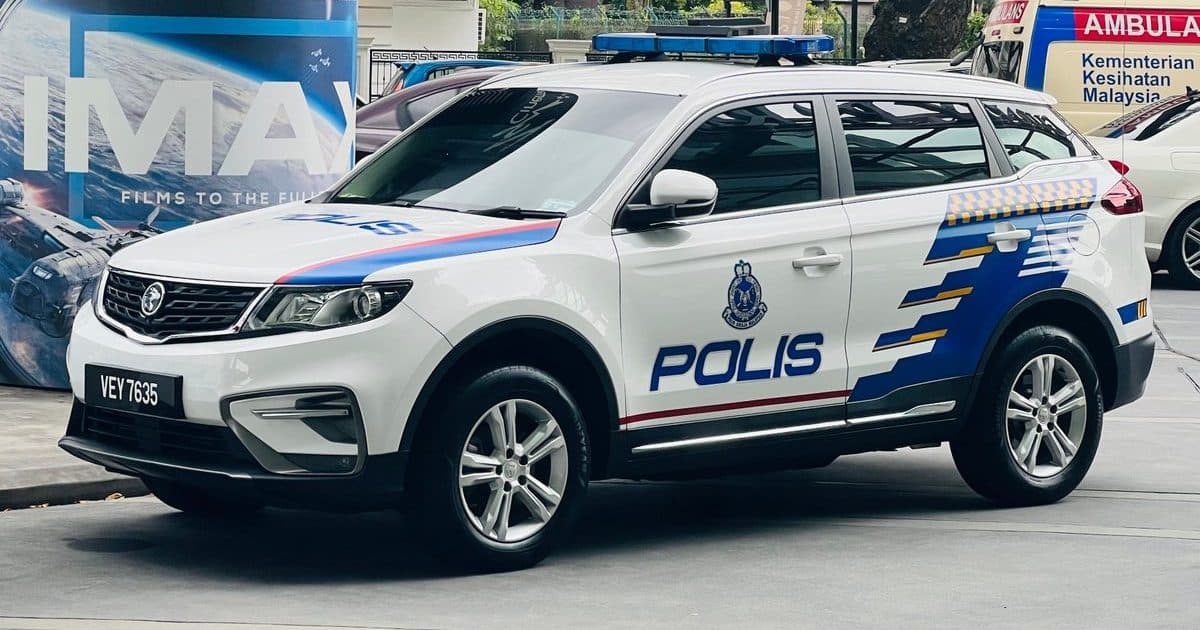
 S5A-0043 / CC BY-SA 2.0
In This Guide
Malaysia Safety Overview
Malaysia is generally a safe country for tourists, consistently ranking as one of the safer destinations in Southeast Asia. Millions of visitors travel through Malaysia each year without incident, enjoying its diverse culture, stunning landscapes, and warm hospitality. However, like any travel destination, being informed and prepared will help ensure a smooth and enjoyable trip.
Overall Safety Assessment:
Malaysia scores well on most safety metrics. Violent crime against tourists is rare, the political situation is stable, and the infrastructure is modern and reliable. The main concerns for travelers are petty theft, traffic accidents, and occasional natural events like flooding or haze.
The Good News:
- Violent crime against tourists is uncommon - Police presence is visible in tourist areas - Healthcare facilities are excellent - English is widely spoken - Tourist infrastructure is well-developed - Locals are generally helpful and friendly - Emergency services are reliable
Areas of Concern:
- Petty theft and bag snatching in cities - Traffic accidents (driving standards vary) - Scams targeting tourists - Occasional flooding during monsoon - Periodic haze from regional fires - Some areas near borders have travel advisories
Safety by Region:
Kuala Lumpur: Generally safe, watch for petty theft in crowded areas Penang: Very safe, low crime rates Langkawi: Very safe, typical tourist island precautions Melaka: Safe, tourist-friendly Cameron Highlands: Safe, watch for road conditions East Coast (Terengganu, Kelantan): Safe but more conservative Sabah: Generally safe, avoid eastern coastal areas near Philippines Sarawak: Very safe, low crime rates
Safety Compared to Other Destinations:
Malaysia is safer than many popular tourist destinations. Crime rates are lower than in Thailand, Indonesia, and the Philippines. The country has a functioning legal system, reliable police force, and modern emergency services. That said, no destination is completely without risk, and sensible precautions are always advisable.
Government Travel Advisories:
Most Western governments rate Malaysia as a safe destination with normal precautions. The main exception is the eastern coast of Sabah, where some governments advise against travel due to kidnapping risks from militant groups based in the southern Philippines. Always check your government's latest travel advisory before departure.
Best Practices for Safe Travel:
- Keep copies of important documents - Register with your embassy - Have travel insurance - Stay aware of your surroundings - Follow local news and weather - Respect local customs and laws - Keep emergency numbers handy - Trust your instincts
General Safety Tips
Following basic safety practices will help ensure a trouble-free trip to Malaysia. Most of these tips apply to travel anywhere, but some are specific to the Malaysian context.
Personal Safety:
Stay aware of your surroundings: - Avoid walking alone late at night in unfamiliar areas - Stick to well-lit, populated streets - Be extra cautious in tourist hotspots where thieves operate - Don't display expensive jewelry or electronics - Keep bags close to your body, preferably cross-body style
Secure your belongings: - Use hotel safes for valuables and documents - Carry only what you need for the day - Keep wallets in front pockets - Use bags with secure closures - Don't leave belongings unattended
Money and Valuables:
Carry money wisely: - Use ATMs inside banks or shopping malls - Withdraw money during daylight hours - Don't carry large amounts of cash - Split money between different locations - Keep emergency cash separate from daily spending
Protect your cards: - Notify your bank of travel plans - Use cards with chip and PIN - Cover PIN when entering - Check statements regularly - Have backup payment methods
Accommodation Safety:
Choose accommodation wisely: - Book reputable hotels with good reviews - Check that rooms have working locks - Use door chains and deadbolts - Don't open doors to unexpected visitors - Know emergency exits
Secure your room: - Use the safe for valuables - Don't leave valuables visible - Keep doors and windows locked - Use "Do Not Disturb" sign when out - Report any security concerns to management
Transportation Safety:
Use reliable transport: - Grab is the safest ride option - Avoid unmarked taxis - Note vehicle details before getting in - Share trip details with someone - Sit in the back seat
Driving precautions: - Wear seatbelts at all times - Don't drink and drive (strict laws) - Be cautious of motorcycles - Lock doors while driving - Don't leave valuables visible in parked cars
Digital Safety:
Protect your devices: - Use VPN on public WiFi - Don't access banking on public networks - Keep devices password protected - Enable find-my-device features - Back up important data
Online precautions: - Be wary of public computers - Log out of accounts after use - Don't share travel plans publicly in real-time - Be cautious with location sharing
Food and Water Safety:
Eating safely: - Eat at busy establishments (high turnover = fresh food) - Ensure meat is thoroughly cooked - Be cautious with street food if you have a sensitive stomach - Wash hands before eating - Carry hand sanitizer
Drinking water: - Tap water is generally safe in cities but bottled is recommended - Ice in restaurants is usually safe - Avoid ice from street vendors - Stay hydrated in the heat - Carry a reusable water bottle
Cultural Safety:
Respect local customs: - Dress modestly at religious sites - Remove shoes when required - Ask permission before photographing people - Respect prayer times and religious practices - Avoid public displays of affection
Legal awareness: - Drug offenses carry severe penalties (including death) - Respect laws on alcohol (restrictions in some states) - Don't criticize the royal family or government - Gambling is illegal except in licensed venues - Understand local regulations on photography
Common Scams & How to Avoid Them
While Malaysia is not known as a scam hotspot compared to some neighboring countries, tourists should still be aware of common tricks used to separate visitors from their money. Being informed is your best defense.
Taxi Scams:
Broken meter scam: - Driver claims meter is broken - Quotes inflated fixed price - Solution: Use Grab instead, or insist on meter or find another taxi
Long route scam: - Driver takes unnecessary detours - Runs up the meter - Solution: Use GPS to monitor route, know approximate distances
Airport taxi overcharging: - Unofficial taxis approach arrivals - Quote prices 2-3x normal rates - Solution: Use official taxi counters or pre-book Grab
Shopping Scams:
Fake goods: - Designer items at "special prices" - Electronics that don't work as advertised - Gemstones of inferior quality - Solution: Buy from reputable stores, if price seems too good, it probably is
Bait and switch: - Shown one item, given another - Different quality or specifications - Solution: Inspect items carefully before paying, keep receipts
Credit card fraud: - Card skimmed during transaction - Charged for items not purchased - Solution: Watch your card during transactions, check statements
Street Scams:
Friendship bracelet scam: - Someone ties bracelet on your wrist - Demands payment - Solution: Firmly decline any unsolicited items
Petition scam: - Asked to sign petition for charity - Then asked for donation - Often fake organizations - Solution: Politely decline, research charities before donating
Bird poop scam: - Someone "accidentally" spills something on you - Accomplice offers to help clean - Pickpockets you during distraction - Solution: Clean yourself, keep belongings secure
Tour and Activity Scams:
Unlicensed tour operators: - Cheap tours with hidden costs - Poor safety standards - No insurance coverage - Solution: Book through reputable agencies, check licenses
Timeshare presentations: - Offered free gifts or tours - Subjected to high-pressure sales - Solution: Decline offers that seem too good to be true
Fake tickets: - Counterfeit tickets for attractions - Sold at "discounted" prices - Solution: Buy directly from official sources
Money Scams:
Currency exchange tricks: - Poor exchange rates - Miscounting money - Hidden fees - Solution: Use banks or licensed money changers, count money carefully
ATM skimming: - Devices attached to ATMs - Capture card details - Solution: Use ATMs inside banks, check for suspicious attachments
Fake currency: - Counterfeit notes in circulation - Usually larger denominations - Solution: Learn to identify genuine notes, get change from reputable sources
Accommodation Scams:
Fake listings: - Properties that don't exist - Photos don't match reality - Solution: Book through reputable platforms, read recent reviews
Hidden charges: - Unexpected fees at checkout - Mandatory "services" not disclosed - Solution: Confirm all charges before booking, get written confirmation
Online Scams:
Fake booking websites: - Clone sites of legitimate companies - Take payment but don't deliver - Solution: Check URLs carefully, book directly with providers
Romance scams: - Online relationships leading to money requests - Common on dating apps - Solution: Never send money to people you haven't met
How to Respond to Scams:
If you've been scammed: - Report to police (get report for insurance) - Contact your bank if cards involved - Report to tourism authorities - Leave reviews to warn others - Contact your embassy if significant
Prevention mindset: - If it seems too good to be true, it is - Take time to think before committing - Research before making purchases - Trust your instincts - Don't be afraid to say no firmly
Areas to Avoid & Regional Safety
While Malaysia is generally safe throughout, some areas warrant extra caution or should be avoided entirely. Understanding regional differences will help you plan a safer trip.
Areas with Travel Advisories:
Eastern Sabah Coastal Areas: - Sandakan, Lahad Datu, Kunak, Semporna, Tawau coastal areas - Risk of kidnapping by militant groups from Philippines - Several incidents involving tourists in past years - Many governments advise against all but essential travel - If visiting Sipadan/Semporna for diving, use reputable operators with security measures
Sabah-Philippines Border: - Maritime areas between Sabah and Philippines - Active militant presence - Avoid boat travel in these waters - Stick to established tourist routes
Areas Requiring Caution:
Kuala Lumpur - Specific Areas: - Chow Kit (especially at night) - red light district, petty crime - Bukit Bintang late night - bag snatching reported - Brickfields after dark - some areas less safe - Around KL Sentral - watch for pickpockets - Petaling Street - crowded, watch belongings
Penang - Specific Areas: - Georgetown late night in quiet areas - Beach areas after dark - Around ferry terminal - watch for theft
Johor Bahru: - Higher crime rates than other Malaysian cities - Areas near Singapore causeway can be congested and chaotic - Stick to main tourist areas and malls - Use Grab rather than walking at night
Border Areas: - Thai-Malaysia border (some insurgent activity on Thai side) - Indonesia-Malaysia border in Kalimantan (remote, limited services)
Safer Regions:
Langkawi: - Very safe island destination - Low crime rates - Tourist police presence - Normal precautions sufficient
Penang (Georgetown): - UNESCO heritage site well-patrolled - Safe for walking during day - Vibrant tourist infrastructure
Cameron Highlands: - Safe highland retreat - Main concern is road safety (winding roads) - Low crime area
Melaka: - Tourist-friendly heritage city - Safe for walking - Well-lit tourist areas
Sarawak: - Generally very safe - Kuching is particularly safe - Low crime rates throughout
Safety by Time of Day:
Daytime (6am-6pm): - Most areas safe - Normal precautions apply - Best time for exploring
Evening (6pm-10pm): - Tourist areas remain safe - Stick to busy, well-lit areas - Use Grab for transport
Late Night (10pm-6am): - Exercise more caution - Avoid walking alone - Use reliable transport - Stay in tourist/entertainment districts
Monsoon Season Considerations:
East Coast (Nov-Feb): - Heavy flooding possible - Some areas become inaccessible - Check conditions before travel - Have flexible plans
West Coast (Sep-Nov): - Less severe but still rainy - Flash floods in cities - Landslides in highlands possible
Natural Hazard Zones:
Flood-prone areas: - Low-lying areas of Kelantan, Terengganu - Parts of Kuala Lumpur during heavy rain - Coastal areas during monsoon
Landslide risk: - Highland areas during heavy rain - Cameron Highlands roads - Genting Highlands approach
Practical Regional Advice:
Before visiting any area: - Check current travel advisories - Read recent traveler reports - Understand local conditions - Have emergency contacts ready - Know nearest hospital/police station
If you must visit higher-risk areas: - Register with your embassy - Have comprehensive insurance - Keep low profile - Follow local advice - Have exit strategy planned
Emergency Numbers & What to Do
Knowing emergency contacts and procedures can make a critical difference in urgent situations. Save these numbers before you travel and know what to do in different emergencies.
Essential Emergency Numbers:
Police: 999 Ambulance: 999 Fire: 994 General Emergency: 999
Tourist Police Hotline: 03-2166 8322 Tourist Police WhatsApp: +6019-388 2099
Immigration Department: 03-8000 8000 Road Emergency: 1800-88-7723 (PLUS Highway)
Police Assistance:
When to call police: - Theft or robbery - Assault or violence - Traffic accidents - Lost passport - Witnessing crimes - Feeling threatened
What to expect: - English-speaking officers usually available - Response times vary by location - You'll need to file a report for insurance claims - Keep copy of police report
Tourist Police: - Specifically trained to help tourists - Available in major tourist areas - Can assist with translation - More familiar with tourist issues
Filing a police report: - Go to nearest police station - Bring passport/ID - Describe incident in detail - Get report number and copy - Ask for English translation if needed
Medical Emergencies:
Calling for ambulance: - Dial 999 - State "ambulance" and location - Describe emergency - Stay on line for instructions
Hospital emergency rooms: - Available 24/7 at major hospitals - Private hospitals often faster - Bring ID and insurance info - Payment may be required upfront at private hospitals
Major hospitals in KL: - Gleneagles KL: 03-4141 3000 - Prince Court Medical Centre: 03-2160 0000 - Pantai Hospital KL: 03-2296 0888 - Hospital Kuala Lumpur (government): 03-2615 5555
Pharmacies: - Guardian and Watsons widespread - Some medications require prescription - Pharmacists can advise on minor issues - 24-hour pharmacies in major cities
Lost or Stolen Passport:
Immediate steps: 1. File police report 2. Contact your embassy/consulate 3. Gather supporting documents 4. Apply for emergency travel document
Embassy contacts (Kuala Lumpur): - US Embassy: 03-2168 5000 - UK High Commission: 03-2170 2200 - Australian High Commission: 03-2146 5555 - Canadian High Commission: 03-2718 3333 - Singapore High Commission: 03-2161 6277 - Indian High Commission: 03-2093 3510
Documents needed for replacement: - Police report - Passport photos - Proof of identity (copies of passport, driver's license) - Proof of citizenship - Travel itinerary
Financial Emergencies:
Lost/stolen cards: - Call bank immediately to cancel - Most banks have 24/7 international lines - Report to police for insurance - Use backup payment methods
Emergency cash: - Western Union locations throughout Malaysia - MoneyGram available - Embassy may assist citizens in emergencies - Some travel insurance covers emergency cash
Natural Disaster Response:
Flooding: - Move to higher ground - Avoid walking/driving through flood water - Follow official evacuation orders - Monitor local news and weather - Contact embassy if stranded
Earthquake (rare but possible): - Drop, cover, hold on - Stay away from windows - If outdoors, move to open area - After shaking stops, check for injuries - Be prepared for aftershocks
Haze emergency: - Stay indoors - Use air purifier if available - Wear N95 mask if going out - Monitor Air Pollution Index (API) - Seek medical help if breathing difficulties
Communication During Emergencies:
Stay connected: - Keep phone charged - Have backup power bank - Know WiFi locations - Have offline maps downloaded
Contact home: - Inform family of situation - Use WhatsApp/messaging apps - Embassy can help contact family - Social media for updates
What NOT to Do in Emergencies:
- Don't panic - stay calm and think clearly
- Don't resist during robbery - possessions aren't worth injury
- Don't flee accident scenes - it's illegal
- Don't bribe officials - it's illegal and can worsen situation
- Don't post sensitive details on social media during ongoing emergencies
Health Concerns & Medical Care
Malaysia has excellent healthcare facilities, particularly in urban areas. Understanding health risks and knowing how to access medical care will help you stay healthy during your trip.
Healthcare System Overview:
Malaysia has a dual healthcare system: - Public hospitals: Affordable but can be crowded - Private hospitals: Excellent quality, higher cost - For tourists, private hospitals are usually recommended
Quality of care: - World-class facilities in major cities - Many doctors trained internationally - English widely spoken in medical settings - Medical tourism destination for a reason
Common Health Concerns:
Heat-related illness: - Malaysia is hot and humid year-round - Drink plenty of water (3-4 liters daily) - Take breaks in air-conditioning - Wear light, breathable clothing - Recognize signs of heat exhaustion
Symptoms of heat exhaustion: - Heavy sweating - Weakness and fatigue - Dizziness - Nausea - Headache - Seek cool environment and hydrate immediately
Mosquito-borne diseases: - Dengue fever is present in Malaysia - No vaccine available (for most strains) - Use mosquito repellent (DEET-based) - Wear long sleeves/pants at dawn and dusk - Stay in accommodations with screens or AC
Dengue symptoms: - High fever - Severe headache - Pain behind eyes - Joint and muscle pain - Rash - Seek medical attention immediately
Food and water illness: - Generally low risk in Malaysia - Tap water safe in cities but bottled recommended - Street food usually safe if freshly cooked - Wash hands frequently - Carry hand sanitizer
Symptoms requiring attention: - Persistent diarrhea (more than 2 days) - Blood in stool - High fever with stomach issues - Signs of dehydration
Vaccinations:
Recommended vaccinations: - Hepatitis A and B - Typhoid - Tetanus-diphtheria - Measles-mumps-rubella (if not immune)
Consider based on activities: - Japanese encephalitis (rural areas, long stays) - Rabies (if handling animals or remote travel) - Yellow fever (only if arriving from endemic area)
Malaria: - Very low risk in most tourist areas - Some risk in rural Sabah/Sarawak - Consult travel doctor for specific itinerary - Prophylaxis usually not needed for typical tourist routes
Pharmacies and Medications:
Finding pharmacies: - Guardian and Watsons in all malls and towns - Many independent pharmacies - Some open 24 hours in cities
Over-the-counter medications: - Paracetamol/acetaminophen available - Basic cold and flu medications - Antihistamines - Antidiarrheals - Rehydration salts
Prescription medications: - Bring sufficient supply from home - Carry prescription/doctor's letter - Some medications restricted - Pharmacists can advise on local equivalents
Medical Facilities:
Kuala Lumpur: - Gleneagles KL (private): 03-4141 3000 - Prince Court Medical Centre (private): 03-2160 0000 - Pantai Hospital KL (private): 03-2296 0888 - Hospital Kuala Lumpur (government): 03-2615 5555
Penang: - Gleneagles Penang: 04-222 9111 - Penang Adventist Hospital: 04-222 7200 - Loh Guan Lye Specialists Centre: 04-238 8888
Other cities: - Major private hospital chains in all state capitals - Government hospitals in every district - Clinics (klinik) for minor issues
Seeking Medical Care:
For minor issues: - Visit a clinic (klinik) - No appointment usually needed - Consultation: RM30-80 - Medications additional
For serious issues: - Go directly to hospital emergency - Private hospitals faster but more expensive - Bring ID and insurance information - Payment may be required upfront
Costs (approximate): - Clinic visit: RM50-150 - Emergency room (private): RM200-500 - Hospital stay (private): RM500-2000/night - Government hospitals much cheaper but longer waits
Health Insurance:
Essential coverage: - Emergency medical treatment - Hospital stays - Medical evacuation - Repatriation
Recommended coverage: - At least $100,000 medical coverage - COVID-19 coverage - Adventure activities if planned - Pre-existing conditions if applicable
Using insurance: - Carry insurance card/details - Know emergency contact number - Some hospitals bill insurance directly - Keep all receipts for claims
Special Health Considerations:
Allergies: - Peanuts and shellfish common in Malaysian food - Communicate allergies clearly - Learn key phrases in Malay - Carry antihistamines/EpiPen if needed
Chronic conditions: - Bring sufficient medications - Carry doctor's letter - Know local equivalent drug names - Identify nearby hospitals
Mobility issues: - Accessibility varies widely - Newer buildings better equipped - Sidewalks can be challenging - Arrange assistance in advance
Air Quality:
Haze season (typically Aug-Oct): - Caused by regional forest fires - Can reach unhealthy levels - Monitor Air Pollution Index (API) - Stay indoors when API high - Use N95 masks if necessary
API levels: - 0-50: Good - 51-100: Moderate - 101-200: Unhealthy - 201-300: Very unhealthy - 300+: Hazardous
Check current API: - apims.doe.gov.my - Weather apps - Local news
Natural Disasters & Weather Hazards
Malaysia is relatively free from major natural disasters compared to neighboring countries, but weather-related hazards do occur. Understanding seasonal patterns and knowing how to respond will help you stay safe.
Monsoon Seasons:
Northeast Monsoon (November-March): - Affects East Coast of Peninsular Malaysia - Heavy rainfall and flooding - Rough seas, ferry cancellations - Some islands close (Perhentian, Redang, Tioman) - Worst flooding usually December-January
Southwest Monsoon (May-September): - Affects West Coast - Generally less severe - Occasional heavy rain - Langkawi and Penang still accessible
Inter-monsoon periods (April, October): - Transitional weather - Thunderstorms common - Generally good travel conditions
Flooding:
Flood-prone areas: - Kelantan (especially Kota Bharu area) - Terengganu - Pahang (Kuantan, Temerloh) - Parts of Johor - Low-lying areas of KL during heavy rain
Flood safety: - Monitor weather forecasts - Avoid travel during flood warnings - Never drive through flooded roads - Move to higher ground if water rising - Follow evacuation orders
If caught in flood: - Seek higher ground immediately - Avoid walking in moving water - Don't touch electrical equipment - Call for help if stranded - Wait for water to recede
Landslides:
Risk areas: - Highland regions (Cameron Highlands, Genting) - Steep terrain after heavy rain - Construction areas on hillsides - Roads cut through mountains
Prevention: - Avoid travel during heavy rain in highlands - Don't stop near steep slopes - Heed warning signs - Choose established routes
Earthquakes:
Risk level: - Malaysia is not on major fault lines - Occasional tremors felt from Indonesian earthquakes - Sabah has slightly higher seismic activity - Major earthquakes rare
If earthquake occurs: - Drop, cover, and hold on - Stay away from windows and heavy objects - If outdoors, move to open area - After shaking, check for injuries - Be prepared for aftershocks
Tsunamis:
Risk level: - 2004 tsunami affected Penang and Langkawi - Warning systems now in place - Risk primarily from distant earthquakes
Warning signs: - Strong earthquake felt - Unusual sea behavior (rapid recession) - Official warnings via sirens, media
Response: - Move inland and to higher ground immediately - Don't wait for official warning if signs present - Stay away from coast until all-clear given
Haze:
Cause: - Forest and peat fires in Indonesia - Smoke carried by winds to Malaysia - Worst during dry season (Aug-Oct) - Severity varies year to year
Health impacts: - Respiratory irritation - Eye irritation - Worsens asthma and other conditions - Can reach hazardous levels
Protection: - Monitor Air Pollution Index (API) - Stay indoors when API high - Use air purifier if available - Wear N95 mask outdoors - Stay hydrated - Seek medical help if breathing difficulties
Thunderstorms:
Frequency: - Malaysia has frequent thunderstorms - Usually afternoon/evening - More common during monsoon transitions - Generally brief but intense
Safety: - Seek shelter in buildings or vehicles - Avoid open areas, tall trees, water - Unplug electronics during storms - Wait 30 minutes after last thunder before resuming outdoor activities
Lightning: - Malaysia has high lightning frequency - Avoid being the tallest object - Stay away from metal objects - If caught in open, crouch low
Flash Floods:
Urban flash floods: - Common in KL during heavy rain - Drainage systems can be overwhelmed - Usually subside within hours - Avoid underpasses and low areas
Response: - Don't drive through flooded roads - Seek higher ground - Wait for water to recede - Check traffic updates before traveling
Preparing for Weather Hazards:
Before travel: - Check weather forecasts - Understand seasonal patterns - Have flexible itinerary - Purchase travel insurance
Pack appropriately: - Rain jacket or umbrella - Waterproof bag for electronics - Quick-dry clothing - Medications for any conditions
Stay informed: - Malaysian Meteorological Department: met.gov.my - Local news channels - Hotel staff advice - Travel apps with weather alerts
Emergency Contacts for Natural Disasters:
Civil Defense: 03-8064 2400 Fire and Rescue: 994 National Disaster Management Agency: 03-8064 2400 Flood hotline: 1800-88-3838
Safety Tips for Women Travelers
Malaysia is generally safe for women travelers, including solo female travelers. The country has a moderate Muslim culture that is more relaxed than Middle Eastern countries, and women enjoy significant freedoms. However, some cultural awareness and practical precautions will enhance your experience.
Overall Assessment:
Malaysia ranks well for female traveler safety: - Women hold prominent positions in society - Female tourists are common and welcomed - Harassment is less common than in some countries - Tourist areas are accustomed to Western dress - English widely spoken, making communication easier
Dress Code Considerations:
General guidelines: - No strict dress code for tourists in most areas - Modest dress appreciated but not required - Cover shoulders and knees at religious sites - More conservative dress in East Coast states (Kelantan, Terengganu) - Beach resorts are more relaxed
What to pack: - Light, breathable clothing that covers shoulders - Knee-length shorts or skirts - Sarong (useful for temple visits and beach cover-up) - Light cardigan for air-conditioning and religious sites - Swimwear fine at resorts and beaches
Regional differences: - KL, Penang, Langkawi: Western dress widely accepted - East Coast: More conservative, cover up more - Sabah/Sarawak: Generally relaxed - Religious sites everywhere: Modest dress required
Accommodation:
Choosing accommodation: - Stick to reputable hotels with good reviews - Check reviews from female travelers specifically - Central locations are generally safer - Ensure rooms have secure locks - Consider female-only dorms in hostels
Safety in accommodation: - Use all locks and chains - Don't open door to unexpected visitors - Use safe for valuables - Know emergency exits - Trust your instincts about staff
Transportation:
Safest options: - Grab is the safest choice (tracked, rated drivers) - Sit in back seat of vehicles - Share trip details with someone - Avoid unmarked taxis - Use women-only train cars during rush hour (available on some lines)
Public transport: - Generally safe during day - More caution needed late at night - Women-only coaches on KTM Komuter - Stay in well-lit, populated areas
Walking: - Safe in tourist areas during day - Avoid walking alone late at night - Stick to main streets - Be aware of surroundings - Trust your instincts
Dealing with Unwanted Attention:
What to expect: - Occasional staring (curiosity, not always threatening) - Rare verbal comments - Very rare physical harassment - More attention in less touristy areas
How to respond: - Ignore minor incidents - Firm "no" for persistent attention - Move to crowded areas - Seek help from other women or families - Report serious incidents to police
Cultural context: - Direct eye contact can be seen as invitation - Smiling at strangers may be misinterpreted - Being overly friendly can send wrong signals - Malaysian women often avoid direct confrontation
Solo Female Travel:
Malaysia is good for solo female travelers: - Well-developed tourist infrastructure - Easy to meet other travelers - Locals generally helpful - Good communication (English) - Reliable transport options
Tips for solo travel: - Stay in social accommodations (hostels with common areas) - Join group tours for activities - Keep someone informed of your plans - Trust your instincts - Have backup plans
Meeting locals: - Malaysians are generally friendly and helpful - Accept invitations cautiously - Meet in public places - Inform someone of your plans - Trust your gut feelings
Nightlife Safety:
Going out: - Stick to established venues - Go with others when possible - Watch your drinks - Arrange transport home in advance - Know your limits with alcohol
Alcohol considerations: - Available in non-Muslim establishments - Some states have restrictions (Kelantan, Terengganu) - Drink spiking rare but possible - Never leave drinks unattended
Health Considerations:
Feminine hygiene products: - Widely available in pharmacies and supermarkets - International brands available - Tampons less common than pads - Bring preferred products if specific needs
Contraception: - Available at pharmacies - Some require prescription - Bring supply from home if preferred brand
Medical care: - Excellent gynecological care available - Female doctors can be requested - Private hospitals offer more privacy
Cultural Tips:
Interacting with local men: - Handshakes may be avoided by conservative Muslim men - Don't be offended if hand not offered - Nod and smile as alternative greeting - Avoid prolonged one-on-one situations
Religious sites: - Cover head at mosques (scarves usually provided) - Remove shoes - Avoid visiting during prayer times - Some areas may be gender-segregated
Emergency Resources:
Women's Aid Organisation: 03-7956 3488 All Women's Action Society: 03-7877 0224 Talian Nur (abuse hotline): 15999 Police: 999 Tourist Police: 03-2166 8322
Reassurance:
Millions of women visit Malaysia safely every year. The country offers incredible experiences - from bustling cities to pristine beaches to ancient rainforests. With basic precautions and cultural awareness, female travelers can enjoy everything Malaysia has to offer. Don't let fear prevent you from exploring, but do stay informed and trust your instincts.
LGBTQ+ Travelers Information
LGBTQ+ travelers should be aware that Malaysia has conservative laws regarding homosexuality. While enforcement against tourists is rare, understanding the legal and social context is important for a safe visit.
Legal Context:
Current laws: - Same-sex sexual activity is illegal under federal law - Penalties can include fines, imprisonment, and caning - Laws rarely enforced against tourists - No legal recognition of same-sex relationships - Transgender individuals face legal ambiguity
Sharia law: - Applies to Muslims in personal matters - Additional penalties possible for Muslim LGBTQ+ individuals - Non-Muslims subject to civil law only
Practical reality: - Prosecutions of tourists extremely rare - Private behavior generally not policed - Public displays of affection (any orientation) frowned upon - "Don't ask, don't tell" culture prevails
Social Attitudes:
General climate: - Conservative society overall - Less accepting than Thailand or Philippines - More accepting than Middle Eastern countries - Urban areas more tolerant than rural - Younger generation generally more accepting
Regional variations: - KL: Most tolerant, has underground LGBTQ+ scene - Penang: Relatively tolerant - East Coast states: More conservative - Sabah/Sarawak: Generally more relaxed - East Malaysia indigenous communities: Varied attitudes
Practical Advice:
Accommodation: - Most hotels won't question two people of same gender sharing room - Book as "two guests" rather than specifying relationship - International chain hotels generally more accepting - Airbnb hosts vary - read reviews carefully
Public behavior: - Avoid public displays of affection - This applies to all couples, not LGBTQ+ couples alone - Holding hands may attract attention - Be discreet about relationship status
Dress and presentation: - Gender non-conforming presentation may attract attention - More accepted in urban, tourist areas - May face questions or stares in conservative areas - Use judgment based on location
LGBTQ+ Scene:
Kuala Lumpur: - Has an underground LGBTQ+ scene - Some gay-friendly bars and clubs (locations change) - Pride events occasionally held but face opposition - Online communities and apps active - Exercise discretion
Finding community: - Dating apps work but use caution - Online forums and groups exist - Some international LGBTQ+ travel groups visit - Connect with local community carefully
Safety Considerations:
Risks to be aware of: - Entrapment via dating apps (rare but reported) - Blackmail attempts - Discrimination in some services - Potential legal issues if reported
Minimizing risks: - Be discreet about orientation - Use secure, private communication - Meet new people in public places first - Trust your instincts - Have exit strategy
If problems arise: - Contact your embassy - Seek legal assistance - Document any incidents - Consider leaving the country if serious
Transgender Travelers:
Specific considerations: - Legal gender recognition not available - May face issues with ID documents - Bathroom access can be challenging - More visible and may face more scrutiny
Practical tips: - Carry documentation explaining any ID discrepancies - Use private/accessible bathrooms when possible - Consider how to handle security checks - Research specific venues and areas
Positive Aspects:
Despite challenges: - Malaysia offers incredible travel experiences - Most interactions will be positive - Malaysians are generally polite and non-confrontational - Tourist areas accustomed to diverse visitors - Many LGBTQ+ travelers visit without incident
What you can enjoy: - World-class food and culture - Beautiful natural attractions - Modern cities and ancient heritage - Warm hospitality (in general sense) - Excellent value for money
Resources:
International LGBTQ+ travel resources: - IGLTA (International LGBTQ+ Travel Association) - Spartacus Gay Travel Index - Equaldex (legal information)
Emergency contacts: - Your country's embassy - International LGBTQ+ organizations - Local legal aid (research before travel)
Making Your Decision:
Consider: - Your comfort level with discretion - Importance of being open about identity - Specific activities and locations planned - Travel companions and support - Alternative destinations if uncomfortable
Many LGBTQ+ travelers visit Malaysia and have wonderful experiences by exercising discretion. Others may prefer destinations with more accepting legal and social environments. The choice is personal and valid either way.
Final Thoughts:
Malaysia's laws and attitudes toward LGBTQ+ individuals are disappointing from a human rights perspective. However, the practical reality for tourists is that problems are rare if discretion is exercised. The country offers extraordinary experiences that many LGBTQ+ travelers enjoy safely. Make an informed decision based on your personal comfort level and priorities.
Solo Travel Safety
Solo travel in Malaysia is popular and generally safe. The country's good infrastructure, widespread English, and friendly locals make it an excellent destination for independent travelers. Here's how to maximize safety while enjoying the freedom of solo exploration.
Why Malaysia is Good for Solo Travel:
Advantages: - Well-developed tourist infrastructure - English widely spoken - Reliable public transport and Grab - Affordable accommodation options - Active backpacker scene - Generally helpful locals - Good internet connectivity - Safe food and water
Popular solo traveler destinations: - Kuala Lumpur (urban exploration, food) - Penang (heritage, food, beaches) - Langkawi (beaches, island life) - Cameron Highlands (nature, tea plantations) - Melaka (history, culture) - Borneo (wildlife, adventure)
Accommodation for Solo Travelers:
Hostels: - Great for meeting other travelers - Common areas encourage socializing - Often organize group activities - Budget-friendly - Safety in numbers
Choosing hostels: - Read recent reviews - Check security features (lockers, key cards) - Look for social atmosphere if desired - Consider location carefully - Female-only dorms available
Hotels: - More privacy and security - Single rooms often available - Good for recharging - Mix hostel and hotel stays
Homestays and guesthouses: - Local experience - Often family-run (safer) - Meals sometimes included - Cultural immersion
Staying Connected:
Communication: - Get local SIM card immediately - Reliable data coverage in most areas - WhatsApp widely used - Keep phone charged - Have backup power bank
Staying in touch: - Regular check-ins with someone at home - Share itinerary with trusted person - Use location sharing apps - Update plans if they change
Meeting People Safely:
Other travelers: - Hostels are natural meeting places - Join group tours and activities - Use travel apps and forums - Attend hostel events
Locals: - Malaysians are generally friendly - Accept invitations cautiously - Meet in public places - Trust your instincts - Inform someone of plans
Online connections: - Use reputable platforms - Video chat before meeting - Meet in public first - Don't share accommodation details immediately - Have exit strategy
Daily Safety Practices:
Planning your day: - Research areas before visiting - Have general plan but stay flexible - Know how to get back to accommodation - Identify safe spaces along route
Valuables: - Don't carry everything with you - Use hotel/hostel safe - Keep copies of documents - Split money between locations - Carry minimal cash
Navigation: - Download offline maps - Know your accommodation address - Screenshot important information - Learn basic landmarks
Eating and Drinking Solo:
Dining alone: - Completely normal in Malaysia - Hawker centers great for solo diners - Counter seating at restaurants - Food courts in malls
Drinking: - Know your limits - Don't leave drinks unattended - Arrange transport home before drinking - Stay aware of surroundings - Consider alcohol-free options
Activities and Tours:
Group tours: - Great way to meet people - Safety in numbers - Local knowledge included - Often better value
Solo activities: - Inform someone of plans - Check in regularly - Avoid isolated areas alone - Know emergency procedures
Adventure activities: - Use reputable operators - Check safety records - Ensure proper equipment - Don't take unnecessary risks - Have travel insurance
Handling Loneliness:
It's normal to feel lonely sometimes: - Stay in social accommodations - Join group activities - Connect with home via video calls - Use solo time productively - Remember why you're traveling
Balance: - Mix social and solo time - Don't force connections - Enjoy your own company - Take breaks when needed
Emergency Preparedness:
Always have: - Phone with charge - Emergency contacts saved - Some cash - Accommodation address - Basic first aid knowledge
Know: - Emergency numbers (999) - Nearest hospital - Embassy contact - How to get help
Solo Travel Tips by Gender:
For women: - See dedicated women travelers section - Extra caution at night - Trust instincts strongly - Connect with other female travelers
For men: - Generally fewer concerns - Still exercise basic caution - Avoid confrontations - Be respectful of local customs
Common Solo Travel Mistakes:
Avoid: - Oversharing plans with strangers - Getting too intoxicated - Ignoring instincts - Taking unnecessary risks - Being too trusting too quickly - Isolating yourself completely - Not having backup plans
The Solo Travel Mindset:
Embrace: - Self-reliance - Flexibility - Open-mindedness - Caution without paranoia - Trust in yourself - Willingness to ask for help
Solo travel in Malaysia can be incredibly rewarding. The country offers diverse experiences, friendly people, and good infrastructure for independent travelers. With sensible precautions, you can explore safely while enjoying the unique freedom that solo travel provides.
Travel Insurance Guide
Travel insurance is essential for any trip to Malaysia. While the country is generally safe with excellent healthcare, unexpected events can happen. Proper insurance provides peace of mind and financial protection.
Why You Need Travel Insurance:
Medical coverage: - Private hospital costs can be high - Emergency evacuation extremely expensive - Pre-existing conditions may need coverage - COVID-19 related issues possible
Trip protection: - Flight cancellations and delays - Lost or stolen belongings - Trip interruption - Natural disaster disruption
Peace of mind: - 24/7 emergency assistance - Help navigating foreign systems - Financial protection - Family notification services
Essential Coverage Types:
Medical expenses: - Minimum recommended: $100,000 - Better: $500,000 or more - Should cover hospitalization, surgery, medications - Include outpatient treatment
Emergency evacuation: - Medical evacuation to home country - Can cost $50,000-100,000+ without insurance - Essential for remote areas (Borneo) - Include repatriation of remains
Trip cancellation/interruption: - Covers non-refundable expenses - Flight, hotel, tour cancellations - Check covered reasons carefully - "Cancel for any reason" costs more but offers flexibility
Baggage and personal effects: - Lost, stolen, or damaged belongings - Usually has per-item limits - Document valuable items - Keep receipts for claims
Additional Coverage to Consider:
Adventure activities: - Standard policies may exclude - Diving, hiking, water sports - Check specific activity coverage - May need add-on or specialized policy
COVID-19 coverage: - Medical treatment if infected - Quarantine accommodation - Trip cancellation due to COVID - Check policy details carefully
Pre-existing conditions: - Often excluded by default - Declare conditions when purchasing - May cost more but essential if applicable - Read exclusions carefully
Choosing a Policy:
Compare: - Coverage limits - Deductibles/excess - Exclusions - Claim process - Reviews and ratings
Reputable providers: - World Nomads (popular with backpackers) - Allianz Travel Insurance - AXA Travel Insurance - SafetyWing (digital nomads) - Your country's major insurers
Cost factors: - Trip length - Age - Coverage levels - Activities planned - Pre-existing conditions
Typical costs: - Basic coverage: $30-50 for 2 weeks - Comprehensive: $80-150 for 2 weeks - Annual policies: $150-400/year
Before You Buy:
Check existing coverage: - Credit card travel insurance (often limited) - Health insurance international coverage - Employer travel policies - Existing annual policies
Read the fine print: - Exclusions list - Claim procedures - Documentation requirements - Time limits for claims - Definition of covered events
Making a Claim:
Documentation needed: - Police report (for theft) - Medical reports and receipts - Proof of expenses - Original receipts - Photos of damage - Correspondence with airlines/hotels
Claim process: - Report incidents immediately - Keep all documentation - Follow insurer's procedures - Submit within time limits - Be honest and accurate
Tips for successful claims: - Document everything - Get written reports - Keep originals and copies - Follow up regularly - Be persistent but polite
During Your Trip:
Keep accessible: - Policy number - Emergency contact numbers - Claim procedures - Digital copies of documents
If something happens: - Contact insurer immediately for major issues - Follow their guidance - Document everything - Keep all receipts - Get official reports
Specific Scenarios:
Medical emergency: - Call insurer's emergency line - They can arrange direct billing - Follow their hospital recommendations - Keep all documentation
Theft: - File police report immediately - Get report number and copy - Document what was stolen - Contact insurer within 24 hours
Flight cancellation: - Get written confirmation from airline - Document reason for cancellation - Keep receipts for additional expenses - Check if airline compensation applies first
Natural disaster: - Document situation - Keep receipts for additional expenses - Contact insurer for guidance - Check covered events in policy
Common Exclusions:
Usually not covered: - Reckless behavior - Alcohol/drug-related incidents - Undeclared pre-existing conditions - Excluded activities without add-on - War and terrorism (check policy) - Government travel advisories ignored
Insurance Tips:
Before travel: - Buy insurance when booking trip - Declare all relevant information - Understand your coverage - Save policy documents digitally
During travel: - Carry emergency numbers - Know claim procedures - Document incidents immediately - Don't admit liability
After incidents: - Report promptly - Gather documentation - Follow procedures exactly - Keep copies of everything
Bottom Line:
Travel insurance is essential. The cost is minimal compared to potential expenses without coverage. A single medical emergency or evacuation could cost more than years of insurance premiums. Protect yourself, travel with confidence, and enjoy Malaysia knowing you're covered.
Embassy & Consulate Contacts
Your embassy or consulate can provide crucial assistance in emergencies. Register with your embassy before travel and know how to contact them if needed.
Embassy Registration:
Why register: - Receive safety updates - Easier to locate you in emergencies - Faster assistance if needed - Family can reach you through embassy
How to register: - US: STEP (Smart Traveler Enrollment Program) - UK: Register on gov.uk - Australia: Smartraveller - Canada: Registration of Canadians Abroad - Most countries have similar programs
What Embassies Can Help With:
Emergency services: - Lost or stolen passport replacement - Emergency travel documents - Assistance if arrested - Help contacting family - Guidance in medical emergencies - Evacuation coordination in crises
General assistance: - Notarial services - Voting abroad - Birth/death registration - Legal information - Local contact recommendations
What Embassies Cannot Do:
Limitations: - Pay your bills or debts - Get you out of jail - Provide legal advice - Investigate crimes - Intervene in civil disputes - Get you better treatment than locals - Override local laws
Major Embassies in Kuala Lumpur:
United States Embassy: - Address: 376 Jalan Tun Razak, 50400 KL - Phone: 03-2168 5000 - Emergency (after hours): 03-2168 5000 - Website: my.usembassy.gov
British High Commission: - Address: Level 27, Menara Binjai, 2 Jalan Binjai, 50450 KL - Phone: 03-2170 2200 - Emergency: +44 20 7008 5000 - Website: gov.uk/world/malaysia
Australian High Commission: - Address: 6 Jalan Yap Kwan Seng, 50450 KL - Phone: 03-2146 5555 - Emergency: +61 2 6261 3305 - Website: malaysia.highcommission.gov.au
Canadian High Commission: - Address: Level 18, Menara Tan & Tan, 207 Jalan Tun Razak, 50400 KL - Phone: 03-2718 3333 - Emergency: +1 613 996 8885 - Website: canada.ca/malaysia
New Zealand High Commission: - Address: Level 21, Menara IMC, 8 Jalan Sultan Ismail, 50250 KL - Phone: 03-2078 2533 - Emergency: +64 4 439 8000 - Website: mfat.govt.nz/malaysia
Singapore High Commission: - Address: 209 Jalan Tun Razak, 50400 KL - Phone: 03-2161 6277 - Website: mfa.gov.sg/kualalumpur
Indian High Commission: - Address: 2 Jalan Taman Duta, 50480 KL - Phone: 03-2093 3510 - Emergency: 03-2093 3510 - Website: hcikl.gov.in
Other Embassies:
European Union: - Germany: 03-2170 9666 - France: 03-2053 5500 - Netherlands: 03-2168 6200 - Italy: 03-4256 5122 - Spain: 03-2148 4868
Asia-Pacific: - Japan: 03-2177 2600 - South Korea: 03-4251 2336 - China: 03-2163 6815 - Indonesia: 03-2116 4000 - Thailand: 03-2148 8222 - Philippines: 03-2148 4233
Middle East: - Saudi Arabia: 03-4257 9433 - UAE: 03-4253 5225
Consulates in Other Cities:
Penang: - US Consular Agency: 04-229 8141 - UK Honorary Consul: Contact KL - Australian Consulate: 04-226 3320
Kota Kinabalu (Sabah): - Limited consular presence - Contact KL embassies for assistance
Kuching (Sarawak): - Limited consular presence - Contact KL embassies for assistance
Contacting Your Embassy:
During office hours: - Call main number - Visit in person for some services - Email for non-urgent matters - Check website for service hours
After hours emergencies: - Use emergency number - May be routed to home country - For genuine emergencies only - Have passport details ready
When to Contact Embassy:
Definitely contact for: - Lost/stolen passport - Arrest or detention - Serious illness or injury - Death of citizen - Natural disaster or crisis - Victim of serious crime
Consider contacting for: - Legal questions - Safety concerns - Travel advisory updates - Voting information - Document authentication
Preparing Before Travel:
Save contacts: - Embassy phone numbers - Emergency numbers - Email addresses - Physical addresses
Carry: - Passport copy - Embassy contact card - Emergency contact at home - Insurance information
Register: - With your embassy's travel program - Provide itinerary - Update if plans change - Include emergency contacts
In Case of Arrest:
Your rights: - Request embassy notification - Right to consular visit - Embassy cannot get you released - Can provide list of lawyers - Can monitor your treatment
What to do: - Stay calm - Request embassy contact - Don't sign documents you don't understand - Don't admit guilt without legal advice - Cooperate with authorities respectfully
Embassy Services Fees:
Common fees (approximate): - Emergency passport: $150-200 - Notarial services: $50-100 - Document authentication: $50-100 - Fees vary by country and service
Payment: - Usually cash or card - Some services require exact payment - Check requirements before visiting
Final Advice:
Your embassy is there to help, but prevention is better than cure. Travel safely, follow local laws, and keep your documents secure. Register before you travel, save emergency contacts, and know how to reach your embassy if needed. Most travelers never need embassy assistance, but knowing it's available provides valuable peace of mind.
Malaysia Is Getting Even Safer: The Outlook to 2030
These are forward-looking predictions, not guarantees, but the trend lines for traveller safety in Malaysia are pointing firmly in the right direction.
Malaysia already ranks among Southeast Asia's safest destinations, and the next few years should make it safer and easier to navigate still.
- Faster, smarter emergency response as the nationwide 999 system continues integrating GPS location, multilingual operators, and app-based dispatch, meaning help reaches travellers quicker than ever, wherever they are.
- Snatch theft keeps falling in the major cities, as expanded CCTV networks, brighter street lighting, and visible community policing in tourist hotspots like Bukit Bintang and Georgetown steadily squeeze petty crime.
- Scams get harder to pull off, with digital payment trails, verified ride-hailing, QR-based pricing, and proactive Tourist Police awareness campaigns making the classic taxi-meter and money-changer tricks increasingly obsolete.
- World-class disaster readiness improves further, as upgraded flood forecasting, early-warning alerts, and better haze monitoring give travellers more time to plan around monsoon and seasonal events.
- The Tourist Police become even more accessible, expanding 24/7 WhatsApp support, multilingual assistance, and a stronger presence at airports, transport hubs, and heritage sites.
- Healthcare for visitors stays exceptional and affordable, with Malaysia's medical-tourism reputation driving continued investment in fast, English-speaking emergency and specialist care.
Malaysia has always rewarded the prepared traveller, and the country is quietly becoming one of the most reassuring places in Asia to explore. Travel smart, and the road ahead looks bright.
Practical Safety Checklist
A comprehensive checklist to ensure you're prepared for safe travel in Malaysia. Use this as a reference before and during your trip.
Before You Leave:
Documents: - [ ] Passport valid for 6+ months - [ ] Visa if required (check requirements) - [ ] Travel insurance purchased - [ ] Copies of all documents (physical and digital) - [ ] Emergency contacts list - [ ] Embassy registration completed - [ ] Itinerary shared with someone at home
Health: - [ ] Vaccinations up to date - [ ] Prescription medications (with doctor's letter) - [ ] Basic first aid kit - [ ] Health insurance card/details - [ ] Know blood type - [ ] Allergy information documented
Financial: - [ ] Notify bank of travel - [ ] Multiple payment methods - [ ] Some Malaysian Ringgit for arrival - [ ] Emergency cash hidden separately - [ ] Know card emergency numbers
Technology: - [ ] Phone unlocked for local SIM - [ ] Offline maps downloaded - [ ] Important apps installed (Grab, etc.) - [ ] Power bank charged - [ ] Adapter for Malaysian plugs (UK-style)
Packing for Safety:
Essentials: - [ ] Padlock for hostel lockers - [ ] Money belt or hidden pouch - [ ] Doorstop alarm (optional) - [ ] Small flashlight - [ ] Whistle (for emergencies)
Health items: - [ ] Sunscreen - [ ] Insect repellent (DEET) - [ ] Hand sanitizer - [ ] Basic medications - [ ] Rehydration salts
Clothing: - [ ] Modest clothing for religious sites - [ ] Rain jacket or umbrella - [ ] Comfortable walking shoes - [ ] Light layers for air-conditioning
On Arrival:
First steps: - [ ] Get local SIM card - [ ] Withdraw local currency - [ ] Save accommodation address - [ ] Note emergency numbers - [ ] Familiarize with area
At accommodation: - [ ] Check room security - [ ] Locate emergency exits - [ ] Use safe for valuables - [ ] Note reception hours - [ ] Get local recommendations
Daily Safety Routine:
Before going out: - [ ] Charge phone - [ ] Carry only needed items - [ ] Have accommodation address - [ ] Check weather forecast - [ ] Know your route
While out: - [ ] Stay aware of surroundings - [ ] Keep valuables secure - [ ] Stay hydrated - [ ] Take breaks from heat - [ ] Trust your instincts
Returning: - [ ] Secure room properly - [ ] Store valuables safely - [ ] Charge devices - [ ] Plan next day
Emergency Quick Reference:
Numbers to save: - Police/Ambulance/Fire: 999 - Tourist Police: 03-2166 8322 - Your embassy: [save number] - Insurance emergency line: [save number] - Accommodation: [save number]
If robbed: 1. Don't resist 2. Note descriptions 3. Go to safe place 4. Call police (999) 5. File report 6. Contact insurance 7. Cancel cards if stolen
If medical emergency: 1. Call 999 for ambulance 2. Or go to nearest hospital 3. Contact insurance 4. Keep all documentation 5. Inform embassy if serious
If lost passport: 1. File police report 2. Contact embassy 3. Gather supporting documents 4. Apply for emergency travel document
Regional Safety Notes:
Kuala Lumpur: - Watch for bag snatchers on motorcycles - Use Grab, avoid unmarked taxis - Avoid Chow Kit area at night - Be careful in crowded areas
Penang: - Generally very safe - Watch belongings at beaches - Traffic can be chaotic - Safe for walking in Georgetown
Langkawi: - Very safe island - Rent vehicles carefully - Watch for jellyfish (seasonal) - Limited medical facilities
East Malaysia (Sabah/Sarawak): - Avoid eastern Sabah coast - Use reputable tour operators - Prepare for remote areas - Wildlife safety awareness
Seasonal Considerations:
Monsoon season (Nov-Feb East Coast): - Check weather before travel - Have flexible plans - Avoid flood-prone areas - Some islands closed
Haze season (Aug-Oct): - Monitor air quality - Have N95 masks - Stay indoors if severe - Consider rescheduling if bad
Hot season: - Stay hydrated - Use sunscreen - Take breaks in AC - Avoid midday sun
Final Safety Mindset:
Remember: - Most trips are incident-free - Preparation prevents problems - Trust your instincts - Ask locals for advice - Stay flexible and calm - Enjoy your trip!
Malaysia is a wonderful destination with friendly people, amazing food, and incredible diversity. With sensible precautions and awareness, you can explore safely and create unforgettable memories. Don't let fear prevent you from experiencing all that Malaysia has to offer - just travel smart.
Emergency Contacts Summary:
Police/Ambulance/Fire: 999 Tourist Police: 03-2166 8322 Tourist Police WhatsApp: +6019-388 2099 Fire & Rescue: 994 Immigration: 03-8000 8000
Save these numbers before you travel and have a safe, amazing trip to Malaysia!
Sources & References
This guide is cross-referenced against primary official sources, regulatory references, and locally relevant materials.
- Royal Malaysia Police (PDRM), Crime Statistics Official national crime statistics and public safety reports from Malaysia's national police force.
- Global Peace Index, Malaysia Institute for Economics and Peace annual ranking; Malaysia consistently scores in the top 30% globally.
- UK Foreign, Commonwealth & Development Office, Malaysia Travel Advice UK government safety advisory covering crime risks, natural hazards, and regional security concerns.
- US State Department, Malaysia Travel Advisory US government Level 1 travel advisory for Malaysia with regional safety notes for eastern Sabah.
- Malaysia Tourism, Safety Tips Official visitor safety guidance from Tourism Malaysia covering common scams and precautions.