
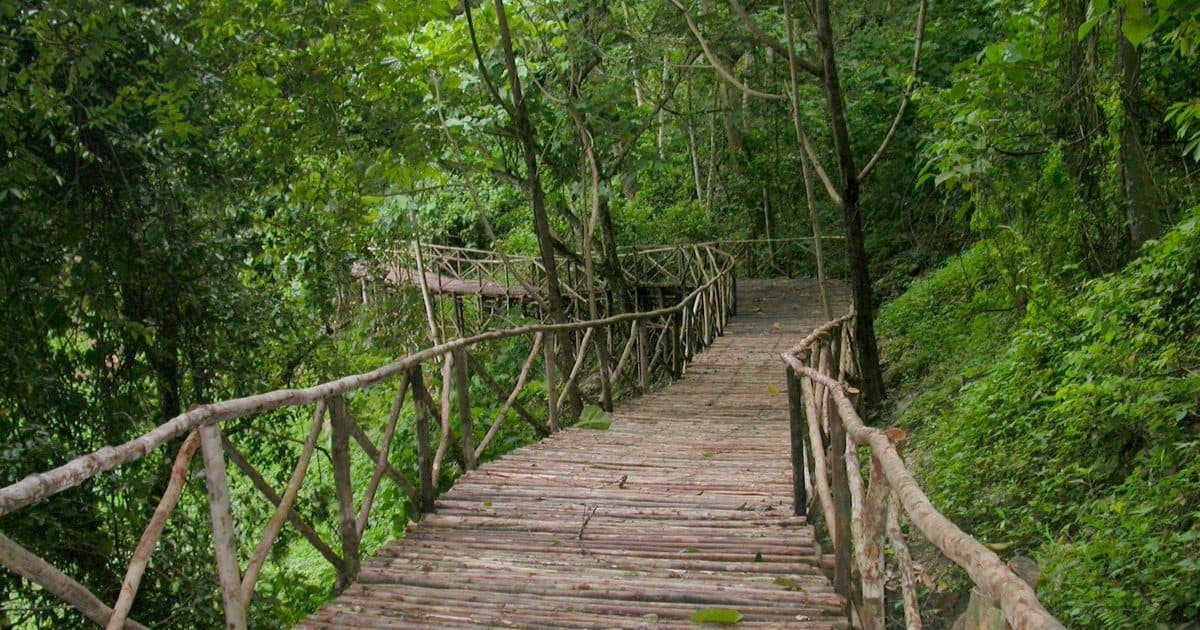
 wdominic / CC BY 2.0
In This Guide
Hiking in Malaysia Overview
Malaysia offers one of Southeast Asia's most diverse hiking landscapes, from the towering granite peaks of Borneo to the ancient rainforests of Taman Negara and the cool highland trails of Cameron Highlands. Whether you're seeking a challenging multi-day expedition to the summit of Mount Kinabalu or a leisurely morning walk through tea plantations, Malaysia's varied terrain provides hiking experiences for every fitness level and ambition.
Why Malaysia is Exceptional for Hiking
Malaysia's unique geographical position has created an extraordinary natural environment that makes it a premier hiking destination in Asia. The country straddles the equator, featuring two distinct landmasses separated by the South China Sea: Peninsular Malaysia and Malaysian Borneo (comprising Sabah and Sarawak). This separation has resulted in distinct ecosystems and hiking experiences on each side.
| Factor | Rating | Details |
|---|---|---|
| Terrain Diversity | ★★★★★ | From sea-level rainforests to 4,095m granite peaks |
| Biodiversity | Top 5% Globally | 130 million year old rainforests with unique endemic species |
| Trail Infrastructure | ★★★★☆ | Well-maintained trails at popular sites, adventure routes elsewhere |
| Accessibility | ★★★★☆ | Major hikes within 2-4 hours of main cities |
| Year-Round Hiking | ★★★★☆ | Possible year-round with monsoon considerations |
| Value for Money | ★★★★★ | Affordable guides, permits, and accommodation |
| Safety Standards | ★★★★☆ | Professional guide services at major attractions |
Terrain Types Across Malaysia
Malaysia's hiking terrain can be categorized into several distinct types, each offering unique experiences:
Tropical Lowland Rainforest
The dense, humid jungles that cover much of Malaysia at elevations below 750 meters. Characterized by towering dipterocarp trees reaching 60 meters or more, thick undergrowth, and incredible biodiversity. Trails here are typically flat to undulating but can be challenging due to humidity, mud, and river crossings. Taman Negara exemplifies this terrain.
Montane Forest
Found between 750-1,500 meters elevation, montane forests feature cooler temperatures, misty conditions, and different plant communities. Mossy trees and ferns become common. Cameron Highlands and Fraser's Hill showcase this environment with more comfortable hiking conditions.
Upper Montane and Alpine
Above 1,500 meters, forests become stunted and eventually give way to scrubland and bare rock at the highest elevations. This terrain is found primarily on Mount Kinabalu and a few other high peaks in Sabah. Temperatures can drop near freezing at night.
Limestone Karst
Dramatic limestone formations create unique hiking through caves and around towering rock faces. Mulu National Park and various locations around Ipoh feature this distinctive landscape.
Coastal and Island Trails
Malaysia's extensive coastline and islands offer beach walks, coastal trails, and island hikes with ocean views. These range from easy resort area walks to challenging jungle trails on larger islands.
Difficulty Levels Overview
Understanding Malaysia's hiking difficulty levels helps you choose appropriate trails:
Easy (1-2 hours, minimal elevation)
Suitable for beginners and families. Well-marked paths, minimal climbing, and usually accessible facilities. Examples include Cameron Highlands Trail 4, Penang Hill (using funicular plus short walks), and resort nature trails.
Moderate (2-5 hours, 300-800m elevation gain)
Requires reasonable fitness but no technical skills. May include steep sections, basic scrambling, and longer distances. Examples include Broga Hill, Cameron Highlands Trail 10, and Gunung Datuk.
Challenging (5-10 hours, 800-1500m elevation gain)
Demands good fitness and hiking experience. May include exposed sections, rope-assisted climbs, and difficult terrain. Examples include Gunung Nuang, Bukit Tabur, and most Taman Negara jungle treks.
Strenuous/Multi-Day (10+ hours or multiple days)
Expedition-level hikes requiring excellent fitness, proper preparation, and often mandatory guides. Examples include Mount Kinabalu, Gunung Tahan, and Maliau Basin.
Key Hiking Statistics
- 8 National Parks across Peninsular and East Malaysia
- 40+ documented mountain peaks above 1,000 meters
- Mount Kinabalu at 4,095m (Southeast Asia's highest between Himalaya and New Guinea)
- 130 million years - age of Taman Negara rainforest (world's oldest)
- 580km of trails in major hiking destinations combined
- Year-round hiking possible with regional monsoon awareness
Regional Hiking Overview
Sabah (East Malaysia) - The Crown Jewel
Home to Mount Kinabalu, Southeast Asia's highest peak and a UNESCO World Heritage Site. Sabah offers everything from the iconic two-day Kinabalu summit climb to the remote wilderness of Maliau Basin. The state's highlands feature numerous peaks above 1,500 meters, many accessible for day hikes.
Sarawak (East Malaysia)
Mulu National Park dominates Sarawak's hiking scene with its spectacular limestone formations, massive caves, and the challenging Pinnacles climb. The Kelabit Highlands offer multi-day jungle treks through remote Orang Ulu territory.
Peninsular Malaysia - Central Range
The Titiwangsa mountain range forms the backbone of the peninsula, offering numerous peaks including Gunung Tahan (Peninsular Malaysia's highest at 2,187m). Cameron Highlands and Fraser's Hill provide cooler climate hiking, while lowland rainforests like Taman Negara offer jungle trekking experiences.
Peninsular Malaysia - Western Hills
Closer to Kuala Lumpur, popular day-hiking destinations include Broga Hill, Gunung Datuk, Bukit Tabur, and Gunung Nuang. These accessible peaks draw weekend crowds from the city.
Mount Kinabalu - Southeast Asia's Highest Peak
About Mount Kinabalu
Mount Kinabalu stands as the undisputed crown jewel of Malaysian hiking and one of the most iconic climbs in Southeast Asia. Rising to 4,095 meters (13,435 feet) above sea level, Kinabalu is both the highest peak between the Himalayas and the mountains of New Guinea and a UNESCO World Heritage Site recognized for its outstanding biodiversity.
The mountain's name derives from the Kadazan-Dusun words "Aki Nabalu," meaning "the revered place of the dead." Local indigenous communities have long considered the mountain sacred, and this spiritual significance continues today with an annual ceremony seeking permission from the mountain spirits before the climbing season.
Geologically, Mount Kinabalu is a massive granite pluton that pushed up through surrounding sandstone approximately 9-10 million years ago. The exposed granite core has been shaped by glacial activity during the last ice age, creating the dramatic rock formations, sheer faces, and unique landscape that hikers experience today.
What Makes Kinabalu Extraordinary
Mount Kinabalu's appeal extends far beyond its impressive height:
- UNESCO World Heritage Site since 2000 for its exceptional biodiversity
- 4,500+ plant species including 1,500 species of orchids and 9 species of Nepenthes pitcher plants
- 326 bird species and diverse mammal populations
- Granite massif with unique geological features formed over 10 million years
- Accessible summit - No technical climbing required for the standard route
- Year-round climbing - Can be attempted in any season with proper preparation
- Well-developed infrastructure - Professional guides, maintained trails, mountain lodges
- Cultural significance - Sacred mountain to indigenous Kadazan-Dusun people
The Standard Summit Route (2D1N)
The vast majority of climbers tackle Kinabalu via the standard Timpohon Trail route, completing the climb over two days with an overnight stay at mountain accommodation around 3,300 meters.
Day 1: Timpohon Gate to Pendant Hut/Laban Rata (6-8 hours)
The journey begins at Timpohon Gate (1,866m), where climbers register with Sabah Parks and receive their mandatory guide assignment. The trail immediately enters montane forest, following a well-maintained path with regularly numbered kilometer markers and shelters every kilometer.
The first kilometers pass through stunning cloud forest with twisted, moss-covered trees and an abundance of pitcher plants. Wooden steps, boardwalks, and rope sections assist on steeper segments. The vegetation gradually changes as you ascend, with trees becoming shorter and the forest more open.
Key landmarks on Day 1:
- KM 1-2: Lowland montane forest, dense vegetation
- KM 3 - Carson's Falls: Beautiful waterfall, common rest point
- KM 4-5: Transition to upper montane forest, Nepenthes abundant
- KM 6 - Pendant Hut (3,289m): Accommodation and restaurant facilities
- Laban Rata (3,273m): Main accommodation complex with heated rooms
Most climbers arrive at accommodation between 2-4 PM, allowing time to rest, eat dinner, and prepare for the early morning summit push.
Day 2: Summit Attempt and Descent (4-6 hours up, 5-7 hours down)
The wake-up call comes brutally early, typically between 2:00-3:00 AM. After a light breakfast, climbers begin the final 2.7km push to the summit in darkness, headlamps illuminating the rocky trail.
The terrain changes dramatically above Laban Rata, transitioning from forest to bare granite slopes and rock faces. Fixed ropes assist on steeper sections. The final approach crosses the iconic rock formations of the summit zone:
- Sayat-Sayat Checkpoint (3,668m): Permit check, mandatory registration
- Exposed granite slabs: Follow white rope guides and painted markers
- Low's Gully viewpoint: Dramatic views into the massive chasm
- South Peak (3,922m): Secondary summit, often visited on descent
- Low's Peak (4,095m): The true summit, marked by a signpost
Most climbers reach the summit between 5:00-6:00 AM to witness sunrise over Borneo, with views extending to the Philippine Sea and the distant coastline. The descent retraces the ascent route, with climbers typically returning to Timpohon Gate by early afternoon.
Permit System and Costs
Climbing Mount Kinabalu requires advance booking through Sabah Parks or an authorized tour operator. Permits are strictly limited to protect the mountain environment and ensure safety.
Current Permit Fees (2026):
| Fee Type | Malaysian | Foreigner |
|---|---|---|
| Climbing Permit | RM100 | RM200 |
| Conservation Fee | RM3 | RM15 |
| Insurance | RM7 | RM7 |
| Guide Fee (per group) | RM230 | RM230 |
| Minimum Total (per person, group of 5) | RM156 | RM268 |
| Solo Climber Total | RM340 | RM452 |
Accommodation Costs (required overnight stay):
| Accommodation | Price Range | Features |
|---|---|---|
| Pendant Hut (dormitory) | RM400-500 | Basic heated dorms, shared facilities |
| Laban Rata (standard) | RM500-700 | Heated rooms, restaurant, views |
| Laban Rata (suite) | RM800-1,200 | Private rooms, better amenities |
Typical 2D1N Package Costs:
- Budget (local operator, shared guide): RM1,500-2,000
- Standard (all-inclusive): RM2,000-2,500
- Premium (private guide, better accommodation): RM2,500-3,500
Booking Tips:
- Book 2-3 months in advance for regular dates
- 4-6 months for peak periods (school holidays, public holidays)
- Weekdays offer better availability than weekends
- Consider package deals including Kota Kinabalu accommodation and transfers
Via Ferrata - The Ultimate Challenge
Mount Kinabalu offers two Via Ferrata routes operated by Mountain Torq, providing a world-record-setting experience combining hiking with protected climbing.
Walk the Torq (3-4 hours)
The shorter route suitable for beginners to protected climbing. Features iron rungs, cables, and ladder sections at elevations above 3,400 meters. Includes two suspension bridges and stunning exposure over Low's Gully.
- Minimum age: 10 years
- Requires standard fitness
- Price: RM600-800 additional to climbing permit
Low's Peak Circuit (4-5 hours)
The world's highest Via Ferrata, traversing dramatic rock faces and overhangs around the summit massif. Features the infamous "Nepenthes" overhanging section and spectacular aerial views.
- Minimum age: 17 years
- Requires good upper body strength
- Price: RM900-1,200 additional to climbing permit
Weather and Best Time to Climb
Mount Kinabalu can be climbed year-round, though conditions vary significantly:
March to October: Generally drier period with clearer summit views. April-May and September-October often offer the best combination of clear weather and fewer crowds.
November to February: Wetter monsoon period with increased rainfall. Summit cloud cover more common, but climbing remains possible with appropriate rain gear.
Daily Pattern: Mornings are typically clearer, with clouds building through the day. This pattern drives the pre-dawn summit timing.
Temperature Range:
- Timpohon Gate: 15-20°C
- Laban Rata: 5-12°C
- Summit: 0-5°C (can drop to -2°C with wind chill)
Physical Preparation
While Mount Kinabalu doesn't require technical climbing skills, the 2,229-meter elevation gain and altitude effects make it a serious physical challenge.
Recommended Preparation:
- Cardiovascular fitness: Begin training 2-3 months before
- Stair climbing: Excellent simulation of the ascent
- Practice hikes: Build up to 4-6 hour hikes with elevation gain
- Core and leg strength: Important for the rocky summit approach
- High altitude consideration: Previous experience above 3,000m helpful but not required
Altitude Sickness Awareness:
Above 3,000 meters, Acute Mountain Sickness (AMS) becomes a genuine concern. Symptoms include headache, nausea, fatigue, and difficulty sleeping.
Prevention strategies:
- Stay well hydrated throughout the climb
- Climb slowly, especially on summit day
- Report symptoms to your guide immediately
- Descent is the only cure for serious symptoms
- Consider Diamox (acetazolamide) for prevention (consult doctor)
What to Bring
Essential Gear:
- Hiking boots (well broken-in, ankle support)
- Warm layers (down jacket, fleece, thermals)
- Rain jacket and pants
- Headlamp with fresh batteries (essential for summit day)
- Gloves (important for cold rock and rope sections)
- Warm hat and sun hat
- Sunglasses
- Sunscreen
- Water bottles (2-3 liters capacity)
- Personal snacks (chocolate, energy bars)
- Small daypack for summit day
Provided by Most Operators:
- Accommodation bedding
- Meals (lunch Day 1, dinner, breakfast, lunch Day 2)
- Drinking water refill stations on mountain
Optional but Recommended:
- Trekking poles (especially helpful on descent)
- Camera
- Altitude sickness medication
- Blister treatment
- Hand warmers for summit morning
Cameron Highlands Trails
Introduction to Cameron Highlands Hiking
Cameron Highlands stands as Peninsular Malaysia's premier hill station and one of the most accessible highland hiking destinations in the country. Located approximately 1,500 meters above sea level in Pahang state, the Cameron Highlands offers a refreshing escape from lowland heat with year-round temperatures averaging 18-25°C, making it ideal for comfortable hiking without the oppressive humidity of lower elevations.
The area was developed as a hill station during British colonial rule after being surveyed by William Cameron in 1885, and the colonial legacy remains visible in Tudor-style architecture and the famous tea plantations that carpet the hillsides. Today, Cameron Highlands attracts visitors seeking cool weather, strawberry farms, tea gardens, and an extensive network of numbered jungle trails.
The Trail System
Cameron Highlands features a network of numbered trails developed during the colonial era, though some have fallen into disuse or been affected by development. The trails range from easy garden walks to challenging jungle treks requiring proper preparation.
Trail Difficulty Overview:
| Trail | Difficulty | Duration | Highlights |
|---|---|---|---|
| Trail 1 | Easy | 30 minutes | Parit Falls, short loop |
| Trail 2 | Moderate | 2-3 hours | Connects Tanah Rata to Brinchang |
| Trail 3 | Moderate | 2-3 hours | Through tea plantations |
| Trail 4 | Easy | 1-2 hours | Most popular, well-maintained |
| Trail 5 | Challenging | 3-4 hours | To Robinson Falls via jungle |
| Trail 6 | Challenging | 4-5 hours | To Robinson Falls, longer route |
| Trail 7 | Easy-Moderate | 1 hour | Short trail near Arcadia |
| Trail 8 | Moderate | 2-3 hours | Loop trail, bird watching |
| Trail 9 | Moderate-Challenging | 3-4 hours | Less maintained, jungle trekking |
| Trail 10 | Challenging | 4-6 hours | To Gunung Jasar (1,696m) summit |
| Trail 11 | Moderate | 2-3 hours | To BOH Tea plantation viewpoint |
| Trail 12 | Moderate | 2-3 hours | Robinson Falls area |
| Trail 13 | Strenuous | 6-8 hours | To Gunung Brinchang summit |
| Trail 14 | Moderate | 2-3 hours | Bird watching, mossy forest |
Detailed Trail Descriptions
Trail 4 - Parit Falls to MARDI
Trail 4 is Cameron Highlands' most popular and well-maintained trail, making it ideal for first-time visitors and families. The trail begins near Parit Falls in Tanah Rata and passes through agricultural areas and secondary jungle before emerging near the MARDI agricultural research station.
- Distance: Approximately 3km
- Duration: 1-2 hours
- Difficulty: Easy
- Starting point: Parit Falls, Tanah Rata
- Highlights: Waterfalls, vegetable farms, accessible jungle
- Recommendations: Best done in morning, can be muddy after rain
Trail 10 - Gunung Jasar Summit
One of the more challenging day hikes in Cameron Highlands, Trail 10 leads to the summit of Gunung Jasar at 1,696 meters. The trail climbs through montane forest with sections of steep terrain and muddy conditions.
- Distance: Approximately 4.5km one way
- Duration: 4-6 hours round trip
- Difficulty: Challenging
- Starting point: Near MARDI station
- Elevation gain: ~500 meters
- Highlights: Mossy forest, summit views, bird watching
- Recommendations: Start early, bring adequate water, wear proper hiking boots
Trail 13 - Gunung Brinchang Approach
The most strenuous numbered trail in Cameron Highlands, Trail 13 offers an alternative approach to Gunung Brinchang, Peninsular Malaysia's highest point accessible by road (but Trail 13 approaches from the jungle side).
- Distance: Long through-hike
- Duration: 6-8 hours
- Difficulty: Strenuous
- Starting point: Varies
- Highlights: Pristine mossy forest, challenging terrain
- Recommendations: Requires good fitness, consider hiring a local guide
Trail 11 - BOH Tea Plantation View
A moderate trail offering stunning views over the famous BOH tea plantations, Trail 11 is popular with photographers and those wanting to see the iconic tea garden landscapes.
- Distance: Approximately 3km
- Duration: 2-3 hours
- Difficulty: Moderate
- Starting point: Near Habu
- Highlights: Tea plantation panoramas, colonial heritage
- Recommendations: Combine with tea factory visit
Mossy Forest at Gunung Brinchang
One of Cameron Highlands' most unique hiking experiences is the Mossy Forest boardwalk near the summit of Gunung Brinchang. This upper montane forest is perpetually shrouded in mist, creating an ethereal atmosphere where every surface is covered in thick moss, lichens, and ferns.
Mossy Forest Details:
- Elevation: Approximately 2,000 meters
- Access: Road to summit parking, then short walk
- Duration: 30-60 minutes on boardwalk
- Difficulty: Easy (on boardwalk)
- Features: Cloud forest ecosystem, unique plants, misty atmosphere
- Best time: Early morning before crowds
- Cost: Free (though some private tours charge)
The boardwalk protects the fragile ecosystem while allowing visitors to experience this otherworldly environment. The forest supports unique species including mosses, orchids, rhododendrons, and the distinctive capped oak trees.
Tea Plantation Walks
While not wilderness hiking, walking through Cameron Highlands' famous tea plantations offers a quintessential Malaysian experience. The two main plantations offering public access are:
BOH Tea Plantation
Malaysia's largest tea producer with two visitor-accessible gardens:
- Sungei Palas: Larger garden with cafe and factory tour
- BOH Tea Centre: Near Tanah Rata, smaller but accessible
- Free entrance to gardens and viewing areas
- Guided factory tours available
- Walking paths through tea bushes
Cameron Bharat Tea Plantation
Smaller plantation with a more intimate atmosphere:
- Located on the way to Brinchang
- Less crowded than BOH
- Walking permitted through garden areas
- Small cafe and shop
Practical Information
Getting to Cameron Highlands:
- Bus from KL TBS (4-5 hours): RM30-50
- Bus from Penang (3-4 hours): RM25-40
- Car rental from KL: 3-4 hours via Simpang Pulai or Tapah
- No airport - nearest is Sultan Azlan Shah Airport (Ipoh)
Accommodation Areas:
- Tanah Rata: Main town, most accommodation and trail access
- Brinchang: Higher elevation, closer to Mossy Forest
- Ringlet: Quieter, further from main trails
Weather Considerations:
- Temperature: 15-25°C year-round (cooler at night)
- Rain: Possible year-round, often afternoon showers
- Best months: March-April, August-September
- Always bring rain gear regardless of forecast
Trail Safety Tips:
- Trails can be muddy and slippery - proper footwear essential
- Some trails are poorly marked - download offline maps
- Start early to avoid afternoon rain and cloud cover
- Inform someone of your hiking plans
- Carry adequate water and snacks
- Leeches are present - bring repellent and long pants
- Mobile phone signal available on popular trails
Guided Tours:
While most Cameron Highlands trails can be hiked independently, guided tours offer advantages:
- Local knowledge of trail conditions
- Transportation to trailheads
- Safety in numbers
- Bird and plant identification
- Half-day tours: RM80-150 per person
- Full-day tours: RM150-250 per person
Taman Negara National Park
Introduction to Taman Negara
Taman Negara, which translates simply to "National Park" in Malay, protects one of the world's oldest tropical rainforests, estimated at 130 million years old - predating even the Amazon. Spanning 4,343 square kilometers across three states (Pahang, Kelantan, and Terengganu), Taman Negara represents Malaysia's premier rainforest wilderness and offers trekking experiences ranging from short nature walks to the grueling multi-day expedition to Gunung Tahan.
The park was originally established as King George V National Park in 1938-1939, making it the first national park in what was then British Malaya. Renamed Taman Negara after independence, the park has since become synonymous with Malaysian rainforest adventure and remains one of the most important protected areas in Southeast Asia.
What Makes Taman Negara Special
The sheer age of Taman Negara's ecosystem has allowed for extraordinary biodiversity:
- 130+ million years old, making it one of Earth's oldest rainforests
- 150+ mammal species including tigers, elephants, tapirs, and gibbons
- 450+ bird species including all 10 hornbill species found in Peninsular Malaysia
- 350+ tree species per hectare in some areas
- Indigenous Orang Asli communities with traditional forest knowledge
- Pristine watershed protecting multiple river systems
The Canopy Walkway
Taman Negara's most famous attraction is the Canopy Walkway, one of the world's longest at 530 meters. Suspended 40 meters above the forest floor, the walkway provides unique perspectives of the rainforest canopy layer where the majority of wildlife activity occurs.
Canopy Walkway Details:
- Length: 530 meters
- Height: Up to 40 meters above ground
- Duration: 30-45 minutes
- Operating hours: 9:00 AM - 3:00 PM (Friday: 9:00 AM - 12:00 PM)
- Cost: RM5 (included in some packages)
- Difficulty: Easy (but not suitable for those with height fear)
- Access: 30-minute walk from Kuala Tahan headquarters
Wildlife Spotting Tips:
- Visit early morning for best bird activity
- Move slowly and quietly
- Look for movement in the canopy
- Dawn and dusk are prime wildlife times
- Night walks offer different species (arrange separately)
Day Treks from Kuala Tahan
The park headquarters at Kuala Tahan serves as the base for most visitors, with several day-hiking options available directly from this area.
Bukit Teresek (Teresek Hill)
- Duration: 1.5-2 hours round trip
- Difficulty: Easy to moderate
- Elevation: 334 meters
- Highlights: Viewpoint over forest canopy and river
- Notes: Well-marked trail, good introduction to forest hiking
Lata Berkoh (Berkoh Waterfall)
- Duration: Full day (2-3 hours hiking each way)
- Difficulty: Moderate
- Highlights: Swimming holes, jungle river scenery
- Notes: Can combine with boat trip one direction
Bukit Indah (Indah Hill)
- Duration: 2-3 hours round trip
- Difficulty: Moderate
- Highlights: Forest walk, small viewpoint
- Notes: Less crowded than Bukit Teresek
Kelah Sanctuary (Fish Sanctuary)
- Duration: 30-45 minutes walk from headquarters
- Difficulty: Easy
- Highlights: Clear river pools with large kelah fish
- Notes: Swimming possible, no fishing allowed
Cave Explorations
Several caves within day-trip distance offer different experiences:
Gua Telinga (Ear Cave)
- Duration: 2-3 hours round trip
- Difficulty: Moderate (some crawling required)
- Features: Bat colonies, narrow passages
- Notes: Bring flashlight, wear old clothes
Gua Kepayang Besar/Kecil
- Duration: Half-day trips
- Difficulty: Moderate
- Features: Larger cave systems, limestone formations
- Notes: Guide recommended
Multi-Day Treks
Taman Negara offers several overnight jungle trekking options for more adventurous hikers:
Yong Camp Trek (2-3 days)
A shorter multi-day option involving camping in the jungle:
- Distance: Variable routes
- Difficulty: Challenging
- Highlights: Deep jungle experience, wildlife
- Requirements: Guide mandatory, camping equipment
- Cost: RM300-500 per person (guide, permits, equipment)
Rentis Trail (2-3 days)
Follows the old Rentis hide circuit with overnight at jungle hides:
- Distance: Approximately 15km
- Difficulty: Challenging
- Highlights: Wildlife hides, remote jungle
- Requirements: Guide, advance booking
- Cost: RM400-600 per person
Gunung Tahan - Peninsular Malaysia's Highest Peak
The ultimate Taman Negara challenge is the expedition to Gunung Tahan (2,187m), Peninsular Malaysia's highest point. This is no casual hike - it's a serious 7-day jungle expedition requiring excellent fitness, proper preparation, and a mandatory licensed guide.
Gunung Tahan Expedition Overview:
| Aspect | Details |
|---|---|
| Summit Height | 2,187 meters |
| Total Distance | ~110km return |
| Duration | 7 days / 6 nights (typical) |
| Difficulty | Strenuous |
| Fitness Required | Excellent - must be capable of 8+ hours daily hiking with full pack |
| Guide | Mandatory (licensed Taman Negara guides only) |
| Porters | Highly recommended |
| Best Months | February to October |
| Cost | RM2,000-3,500 per person (guide, permits, food, equipment) |
Typical 7-Day Itinerary:
Day 1: Kuala Tahan to Camp Melantai (6-8 hours)
- River crossing to start
- Dense lowland forest
- Multiple river crossings
Day 2: Camp Melantai to Camp Gunung Gedong (8-10 hours)
- Steeper terrain begins
- Enter montane forest zone
- Challenging hiking
Day 3: Camp Gunung Gedong to Camp Puteh (7-9 hours)
- Continued climbing
- More open forest at higher elevation
- Approach to summit zone
Day 4: Summit Day - Camp Puteh to Gunung Tahan Summit and return
- Pre-dawn start
- Final steep approach
- Summit views (weather permitting)
- Return to Camp Puteh
Day 5: Camp Puteh to Camp Gunung Gedong (7-9 hours)
- Reverse Day 3 route
- Descent begins
Day 6: Camp Gunung Gedong to Camp Melantai (8-10 hours)
- Continue descent
- Multiple river crossings
Day 7: Camp Melantai to Kuala Tahan (6-8 hours)
- Final river crossings
- Return to headquarters
- Trip completion
Important Considerations:
- Permits must be arranged well in advance
- Guide fees are substantial but non-negotiable
- Weather can extend the trip (budget extra days)
- River levels affect trail conditions
- Leeches are abundant throughout
- No mobile phone coverage once deep in jungle
Getting to Taman Negara
From Kuala Lumpur:
Option 1: Bus + Boat (traditional)
- Bus from TBS to Jerantut (3 hours): RM25-35
- Local transport Jerantut to Kuala Tembeling (30 minutes): RM10-20
- Boat up Tembeling River (3 hours): RM35
- Total: 6-7 hours, ~RM70-90
Option 2: Bus + Shuttle (faster)
- Bus from TBS to Jerantut (3 hours): RM25-35
- Shuttle van Jerantut to Kuala Tahan (1 hour): RM25
- Total: 4-5 hours, ~RM50-60
Option 3: Minibus Transfer (most convenient)
- Direct minibus from KL to Kuala Tahan: RM80-120
- Duration: 4-5 hours
- Most guesthouses can arrange this
Park Fees and Permits:
| Fee Type | Malaysian | Foreigner |
|---|---|---|
| Park Entry | RM1 | RM1 |
| Camera Permit | RM5 | RM5 |
| Fishing License | RM10 | RM10 |
| Camping | RM1/night | RM1/night |
| Canopy Walk | RM5 | RM5 |
| Hide Rental | RM5-50/night | RM5-50/night |
Wildlife Hides
Taman Negara operates several wildlife observation hides where visitors can spend the night watching for animals at salt licks. Success is never guaranteed, but patience may be rewarded with sightings of:
- Sambar deer (most common)
- Wild boar
- Tapir (occasional)
- Elephants (rare but possible)
- Various smaller mammals
Hide Options:
- Bumbun Tahan: Closest to headquarters, easiest access
- Bumbun Cegar Anjing: Better wildlife potential
- Bumbun Blau: More remote, requires longer trek
Booking: Arrange through park headquarters or Kuala Tahan tour operators. Bring all supplies including food, water, sleeping gear, and insect repellent.
Book Guided Hikes & Gear Up
Find guided treks, national park passes, and outdoor experiences across Malaysia.

Popular Peninsular Malaysia Hikes
Day Hikes Near Kuala Lumpur
The hills surrounding Kuala Lumpur offer numerous hiking opportunities within 1-3 hours of the city center. These peaks draw weekend crowds of KL residents seeking exercise and nature escapes, and they're equally accessible to visitors looking for shorter hiking experiences.
Broga Hill (Bukit Broga)
Broga Hill has become synonymous with beginner-friendly sunrise hiking near KL. Located approximately 40km from Kuala Lumpur in Semenyih, Selangor, this small hill (400m) offers rewarding views for relatively modest effort.
Broga Hill Details:
- Height: Approximately 400 meters
- Duration: 45 minutes to 1 hour up
- Difficulty: Easy to moderate
- Trail condition: Clearly marked, some steep sections
- Highlights: Sunrise views, grassy summit, palm oil plantation panoramas
- Best time: Pre-dawn for sunrise (arrive by 5:30 AM)
- Entry fee: RM3-5
- Facilities: Basic (parking, simple toilets at base)
Tips for Broga:
- Arrive early for parking (fills up on weekends)
- Bring headlamp for pre-dawn starts
- Trail is crowded during sunrise on weekends
- Two main peaks - continue to second for better views
- Wear proper shoes (can be slippery when wet)
- Bring water - none available on trail
Getting There:
- Car: Navigate to Broga village, Semenyih (~1 hour from KL)
- Grab: Possible but arrange return transport
- No public transport to trailhead
Gunung Datuk
Gunung Datuk in Negeri Sembilan offers one of Peninsular Malaysia's best sunrise hikes with summit views stretching to the Straits of Melaka on clear days. The 884-meter peak requires more effort than Broga but rewards hikers with a distinctive bald granite summit.
Gunung Datuk Details:
- Height: 884 meters
- Duration: 2-3 hours up, 1.5-2 hours down
- Difficulty: Moderate to challenging
- Trail condition: Well-marked with rope sections
- Distance: Approximately 2.5km one way
- Highlights: Granite summit plateau, 360-degree views, sunrise
- Entry fee: RM2 (register at entrance)
- Facilities: Parking, toilets, small shops at base
Trail Description:
The trail begins with a relatively gentle jungle walk before steepening significantly in the middle section. Several rope-assisted sections help hikers navigate steeper rock faces. The final approach crosses exposed granite before reaching the distinctive bald summit.
Tips for Gunung Datuk:
- Start by 4:00 AM for sunrise at summit
- The granite summit can be slippery - wear grippy shoes
- Bring warm layer for cold summit morning
- Weekends are extremely crowded - weekdays preferred
- Camping at summit possible (permission required)
- Bring at least 2 liters of water
Getting There:
- Car: Navigate to Kampung Jeram Kedah, Rembau (~1.5 hours from KL)
- Located near Rembau town in Negeri Sembilan
Bukit Tabur (Tabur Hill)
Bukit Tabur offers a more adventurous hiking experience close to KL, with exposed ridge walking, rock scrambling, and dramatic quartz formations. The ridge comprises multiple peaks (East, West, and Far East), each offering different challenges.
Bukit Tabur Overview:
- Location: Taman Melawati, edge of Klang Gates Dam
- Height: Varies by section (300-450m peaks)
- Difficulty: Moderate to challenging (depends on route)
- Features: Narrow quartz ridge, exposed sections, city views
- Entry: Previously restricted - check current regulations
- Best for: Adventurous hikers comfortable with exposure
Route Options:
Tabur East (most common)
- Duration: 2-3 hours round trip
- Difficulty: Moderate
- Features: Ridge walk with views, some scrambling
- Notes: Most accessible section
Tabur West
- Duration: 3-4 hours round trip
- Difficulty: Challenging
- Features: More exposed sections, technical scrambling
- Notes: Experience recommended
Tabur Far East
- Duration: 4-5 hours round trip
- Difficulty: Very challenging
- Features: Most difficult terrain, requires route-finding
- Notes: Only for experienced hikers
Important Notes:
- Bukit Tabur access has been periodically restricted
- Check current regulations before visiting
- Some sections are genuinely dangerous - assess your ability
- Not suitable for inexperienced hikers or those afraid of heights
- No facilities on trail - bring all water and supplies
Gunung Nuang
Selangor's highest peak, Gunung Nuang rises to 1,493 meters and offers a serious day-hiking challenge within striking distance of KL. The long approach and significant elevation gain make this a full-day commitment.
Gunung Nuang Details:
- Height: 1,493 meters
- Duration: 8-12 hours round trip (via Pangsun route)
- Difficulty: Challenging to strenuous
- Distance: Approximately 10km one way
- Trail condition: Clear but demanding
- Highlights: Waterfall, jungle terrain, summit views
- Entry fee: RM1 per person
- Facilities: Parking, registration at Hulu Langat entrance
Route Options:
Pangsun Route (most popular)
- Starts from Pangsun Recreation Forest
- Passes Lata Kuning waterfall
- Well-marked but long
- 8-12 hours round trip
Janda Baik Route (alternative)
- Starts from Pahang side
- Slightly shorter but steeper
- Less facilities at start
Trail Stages (Pangsun Route):
- Start to Lata Kuning: Easy forest walk, waterfall (30-45 minutes)
- Lata Kuning to Kem Pacat: Moderate climbing, crosses streams (2-3 hours)
- Kem Pacat to Summit: Steeper section, challenging terrain (2-3 hours)
- Descent: 4-6 hours back to start
Tips for Gunung Nuang:
- Start very early (6:00 AM or earlier)
- Bring at least 3 liters of water
- Pack lunch and substantial snacks
- Consider overnighting at Kem Pacat to split the hike
- Trail is leech-heavy - bring repellent
- Do not underestimate this hike
Fraser's Hill (Bukit Fraser)
Fraser's Hill offers a different highland hiking experience - a colonial-era hill station with cooler temperatures and excellent bird watching. While not as high as Cameron Highlands, Fraser's Hill retains more of its heritage character and offers peaceful forest trails.
Fraser's Hill Overview:
- Elevation: Approximately 1,500 meters
- Temperature: 17-25°C
- Location: Pahang/Selangor border
- Distance from KL: ~100km (2-3 hours drive)
- Character: Quiet hill station, birding paradise
Fraser's Hill Trails:
Bishop Trail
- Duration: 1-2 hours
- Difficulty: Easy to moderate
- Highlights: Bird watching, forest scenery
- Notes: Most popular trail
Hemmant Trail
- Duration: 2-3 hours
- Difficulty: Moderate
- Highlights: Connects to Jeriau Waterfall
- Notes: Good for longer walks
Pine Tree Trail
- Duration: 30-45 minutes
- Difficulty: Easy
- Highlights: Pine forest atmosphere
- Notes: Unique vegetation
Maxwell Trail
- Duration: 1-2 hours
- Difficulty: Moderate
- Highlights: Dense jungle, quiet
- Notes: Less maintained
Bird Watching:
Fraser's Hill is renowned as one of Peninsular Malaysia's premier bird watching destinations:
- 270+ bird species recorded
- Annual Bird Race competition
- Species include mountain peacock-pheasant, various hornbills, laughingthrushes
- Best months: March-June for breeding activity
Getting to Fraser's Hill:
- Car only (no public transport to summit)
- Access via the Gap checkpoint
- One-way road with alternating traffic hours (odd hours up, even hours down)
- Drive carefully on winding mountain road
Other Notable Peninsular Hikes
Gunung Angsi (Negeri Sembilan)
- Height: 825 meters
- Duration: 5-6 hours round trip
- Difficulty: Moderate
- Notes: Near Ulu Bendul Recreation Park, waterfall at base
Gunung Lambak (Johor)
- Height: 510 meters
- Duration: 3-4 hours round trip
- Difficulty: Moderate
- Notes: Popular with Singapore weekenders
Gunung Ledang (Mount Ophir, Johor)
- Height: 1,276 meters
- Duration: 7-10 hours round trip (Lagenda Trail)
- Difficulty: Challenging
- Notes: Legendary mountain, overnight camping possible
Bukit Kutu (Selangor)
- Height: 1,053 meters
- Duration: 5-7 hours round trip
- Difficulty: Moderate to challenging
- Notes: Historic hill station ruins at summit
Borneo Trekking Adventures
Sabah and Sarawak Wilderness
Malaysian Borneo (comprising Sabah and Sarawak) offers some of Southeast Asia's most spectacular and remote trekking experiences. Beyond the famous Mount Kinabalu, the Borneo interior harbors pristine rainforests, dramatic limestone formations, and wilderness areas that remain among the least explored on Earth.
Mulu National Park (Sarawak)
Mulu National Park is a UNESCO World Heritage Site renowned for its spectacular limestone karst formations, massive cave systems, and the iconic Pinnacles - razor-sharp limestone spires rising from the jungle. The park offers hiking experiences ranging from easy cave walks to challenging multi-day expeditions.
Park Overview:
- Location: Sarawak interior, near Brunei border
- Size: 528 square kilometers
- Status: UNESCO World Heritage Site (2000)
- Access: Flight from Miri (30 minutes) or Kota Kinabalu (1 hour)
- Accommodation: Park lodges and camping
- Unique features: World's largest cave chamber, limestone pinnacles
The Pinnacles Trek
The Pinnacles of Gunung Api represent Mulu's most iconic and challenging day hike. These 45-meter-tall limestone spires, eroded into razor-sharp formations, create one of Borneo's most dramatic landscapes.
Pinnacles Trek Details:
- Duration: 3 days / 2 nights total
- Day 1: Boat to Camp 5, settle in
- Day 2: Summit day - 2.4km to Pinnacles viewpoint and back
- Day 3: Boat return to headquarters
- Difficulty: Challenging to strenuous
- Elevation gain: 1,200 meters on summit day
- Requirements: Good fitness essential, vertigo-free
- Cost: RM400-600 (includes guide, accommodation, boat transfers)
What to Expect:
The trail is extremely steep, gaining 1,200 meters in just 2.4km. Virtually the entire route involves climbing ladders, ropes, and rock faces. The effort is rewarded with spectacular views of the limestone spires - a landscape unlike anywhere else in Malaysia.
Fitness Requirement:
Mulu Park management requires hikers to pass a basic fitness assessment before attempting the Pinnacles. You must be able to complete a set number of exercises demonstrating sufficient strength and endurance. Those who fail cannot attempt the climb - take this seriously.
Show Cave Tours
Mulu's massive cave systems offer easier walking options:
Deer Cave and Lang Cave
- Duration: 2-3 hours
- Difficulty: Easy (boardwalk)
- Highlights: World's largest cave passage, bat exodus at dusk
- Cost: RM30 park fee + guide
Wind Cave and Clearwater Cave
- Duration: 3-4 hours (including boat ride)
- Difficulty: Easy
- Highlights: River cave, underground formations
- Cost: Included in 4-park package deals
Headhunters Trail
For multi-day adventure, the Headhunters Trail offers a 3-4 day trek following the historic route used by Kayan headhunting parties. The trail connects Mulu to the Limbang region.
Headhunters Trail Overview:
- Duration: 3-4 days
- Distance: Approximately 30km
- Difficulty: Challenging
- Route: Mulu HQ to Limbang (or reverse)
- Features: Deep jungle, river crossings, cultural history
- Cost: RM1,000-1,500 (guide mandatory)
Maliau Basin - Sabah's Lost World
Maliau Basin is one of Malaysia's last true wilderness frontiers - a 588-square-kilometer saucer-shaped depression that remained virtually unknown until discovered by a pilot in 1947. The basin's isolation has preserved pristine ecosystems that scientists are still documenting.
Maliau Basin Overview:
- Location: Central Sabah, near Tawau
- Size: 588 square kilometers
- Access: Challenging - 4WD required from Tawau (4-5 hours)
- Character: True wilderness, minimal development
- Unique features: Pristine forest, multiple waterfalls, unique species
Trek Options:
Maliau Falls Trek (3-4 days)
The most popular route visits the stunning Maliau Falls, a series of seven tiers dropping through the jungle:
- Duration: 3-4 days
- Distance: Approximately 25km
- Difficulty: Strenuous
- Highlights: Maliau Falls, pristine rainforest
- Cost: RM2,000-3,000 (includes guide, permits, accommodation)
Full Basin Circuit (5-7 days)
For serious adventurers, the full circuit explores deeper into the basin:
- Duration: 5-7 days
- Difficulty: Very strenuous
- Requirements: Excellent fitness, experience
- Cost: RM3,500-5,000
What Makes Maliau Special:
- 90% of plant species are endemic to the basin
- 12 vegetation types from lowland to montane forest
- Tigers, clouded leopards, and sun bears inhabit the forest
- Virtually no human impact outside designated trails
- Scientific research site for tropical ecology
Crocker Range Park
The Crocker Range forms a mountainous spine through western Sabah, offering numerous peaks and trails within easier reach of Kota Kinabalu than Kinabalu Park.
Crocker Range Highlights:
Gunung Alab (1,964m)
- Duration: 2 days (overnight at Alab station)
- Difficulty: Moderate to challenging
- Highlights: Cloud forest, views, accessible
- Notes: Easier alternative to Kinabalu
Rafflesia Forest Reserve
- Duration: Half-day
- Difficulty: Easy
- Highlights: Giant Rafflesia flowers (seasonal)
- Notes: Flower sightings not guaranteed
Various Community Trails
The Crocker Range includes multiple community-managed trails offering village homestays combined with hiking - an excellent way to experience local culture while exploring the forests.
Danum Valley
While not primarily a hiking destination, Danum Valley Conservation Area offers walking trails through some of Borneo's finest primary rainforest. The valley is accessed through the Borneo Rainforest Lodge, providing a luxury wilderness experience.
Danum Valley Overview:
- Location: Interior Sabah, 2.5 hours from Lahad Datu
- Status: Conservation area
- Access: Via Borneo Rainforest Lodge only
- Cost: RM1,500-2,500 per night (all-inclusive)
- Character: Luxury eco-lodge, research station
Trail Options:
- Canopy Walkway: Easy, stunning forest views
- Nature Trails: Multiple easy to moderate walks from lodge
- Night Walks: Guided nocturnal wildlife spotting
- Coffin Cliff: Moderate trek to ancient burial site
Wildlife Highlights:
Danum Valley offers some of Borneo's best wildlife viewing:
- Orangutans (wild population)
- Pygmy elephants
- Sun bears
- Clouded leopards (rare)
- Hornbills (multiple species)
- Over 340 bird species
Kelabit Highlands (Sarawak)
The Kelabit Highlands offer a unique combination of cultural trekking and mountain hiking through remote Orang Ulu territory. The highland plateau around Bario village provides access to traditional longhouse communities connected by jungle trails.
Kelabit Highlands Overview:
- Location: Remote interior Sarawak, near Indonesian border
- Access: Twin Otter flight from Miri to Bario
- Elevation: Approximately 1,000 meters
- Character: Traditional communities, rice paddies, jungle
- Temperature: Cool highland climate (15-25°C)
Trek Options:
Bario to Ba'Kelalan (3-4 days)
Classic trans-highland trek visiting multiple longhouses:
- Duration: 3-4 days
- Difficulty: Moderate to challenging
- Highlights: Cultural immersion, pristine jungle
- Accommodation: Longhouse homestays
- Cost: RM500-800 (guide + food + accommodation)
Gunung Murud (2,424m)
Sarawak's highest peak offers serious mountaineering:
- Duration: 4-5 days from Ba'Kelalan
- Difficulty: Strenuous
- Highlights: Sarawak's summit, remote wilderness
- Requirements: Excellent fitness, experience
- Cost: RM1,500-2,000
What to Expect:
The Kelabit Highlands experience combines physical hiking with cultural immersion. You'll stay in traditional longhouses, eat local food (including the famous Bario rice), and travel through landscapes little changed for centuries. This is not a wilderness trek in the usual sense - it's a journey through living communities who happen to inhabit one of the most beautiful and remote corners of Borneo.
Trail Difficulty Ratings Guide
Understanding Malaysian Hiking Difficulty
Hiking difficulty in Malaysia differs significantly from temperate countries due to tropical conditions. Even "easy" trails may challenge hikers unused to the heat, humidity, and terrain. This guide helps you assess which trails match your fitness and experience.
Factors Affecting Difficulty
Beyond distance and elevation, Malaysian trails present unique challenges:
Climate Factors:
- Temperature: 25-35°C at low elevations
- Humidity: Often 80-95%
- Dehydration risk is significantly higher
- Heat exhaustion can occur unexpectedly
- Cool highlands (Cameron, Kinabalu) offer relief
Terrain Factors:
- Mud and slippery surfaces (especially after rain)
- Root-covered trails requiring constant attention
- River crossings without bridges
- Leeches in most jungle areas
- Steep gradients on many trails
Trail Condition Factors:
- Varying maintenance levels
- Some trails poorly marked
- Fallen trees and overgrowth possible
- Monsoon damage can change routes
Comprehensive Difficulty Table
| Trail/Peak | Difficulty | Duration | Elevation Gain | Key Challenges | Suitable For |
|---|---|---|---|---|---|
| Broga Hill | Easy | 1 hour | 200m | Steep sections, slippery when wet | Beginners |
| Cameron Trail 4 | Easy | 1-2 hours | Minimal | Can be muddy | All levels |
| Bukit Teresek (Taman Negara) | Easy-Moderate | 2 hours | 150m | Heat, humidity | Beginners with fitness |
| Penang Hill trails | Easy-Moderate | Varies | Varies | Heat at lower sections | All levels |
| Fraser's Hill Bishop Trail | Easy-Moderate | 2 hours | 200m | Some steep sections | All levels |
| Gunung Angsi | Moderate | 5-6 hours | 500m | Distance, heat | Regular hikers |
| Gunung Datuk | Moderate | 4-5 hours | 600m | Rope sections, exposure | Regular hikers |
| Cameron Trail 10 | Moderate-Challenging | 5 hours | 500m | Trail finding, mud | Experienced hikers |
| Bukit Tabur East | Moderate-Challenging | 3 hours | 300m | Exposure, scrambling | Experienced hikers |
| Gunung Lambak | Moderate | 4 hours | 400m | Heat, humidity | Regular hikers |
| Mulu Pinnacles | Challenging | 8 hours (Day 2) | 1,200m | Extreme steepness, ladders | Fit hikers |
| Gunung Nuang | Challenging | 10 hours | 1,200m | Distance, terrain, time | Fit, experienced |
| Gunung Ledang (Lagenda) | Challenging | 8-10 hours | 900m | Rope sections, rocks | Experienced hikers |
| Mount Kinabalu | Challenging-Strenuous | 2 days | 2,229m | Altitude, distance, cold | Fit, prepared |
| Bukit Tabur West | Challenging | 4-5 hours | 350m | Technical exposure | Experienced only |
| Gunung Tahan | Strenuous | 7 days | 1,900m | Multi-day, jungle, distance | Very fit, experienced |
| Maliau Basin | Strenuous | 3-5 days | Variable | Remote, terrain, duration | Very fit, experienced |
| Gunung Murud | Strenuous | 4-5 days | 1,400m | Remote, altitude, conditions | Very fit, experienced |
Detailed Difficulty Definitions
Easy (1-2 hours, <300m elevation gain)
Suitable for beginners and families with basic fitness. Well-marked trails with few technical challenges.
Characteristics:
- Clear, maintained paths
- Minimal scrambling
- Facilities often available
- Mobile phone signal usually available
- Can be completed in half-day or less
Examples:
- Broga Hill (with caution for steep sections)
- Cameron Highlands Trails 4, 7
- Penang Hill area walks
- Taman Negara Canopy Walkway
- Fraser's Hill Pine Tree Trail
What to Bring:
- 1-2 liters water
- Basic snacks
- Comfortable walking shoes
- Sun protection
- Light rain jacket
Moderate (3-5 hours, 300-800m elevation gain)
Requires reasonable fitness and some hiking experience. May include rope sections or scrambling.
Characteristics:
- Steeper sections requiring effort
- May include rope-assisted climbing
- Less maintained in places
- Weather exposure possible
- Full day or substantial half-day commitment
Examples:
- Gunung Datuk
- Gunung Angsi
- Gunung Lambak
- Cameron Highlands Trail 10, 11
- Bukit Teresek (Taman Negara)
What to Bring:
- 2-3 liters water
- Substantial snacks or lunch
- Proper hiking boots
- Rain gear
- Headlamp (for early starts)
- First aid basics
- Leech socks or repellent
Challenging (5-10 hours, 800-1500m elevation gain)
Demands good fitness, hiking experience, and proper preparation. Technical sections or significant exposure.
Characteristics:
- Extended hiking duration
- Significant elevation gain
- Technical terrain (ropes, scrambling)
- Weather becomes critical factor
- Good navigation skills helpful
- Some trails require guides
Examples:
- Gunung Nuang
- Mulu Pinnacles (Day 2)
- Gunung Ledang
- Bukit Tabur West
- Kinabalu summit day (considered separately due to altitude)
What to Bring:
- 3+ liters water or water treatment
- Full meals and energy foods
- Quality hiking boots
- Complete rain gear
- Warm layer for higher elevations
- Headlamp with spare batteries
- First aid kit
- Navigation tools (GPS/offline maps)
- Emergency shelter (space blanket)
Strenuous/Multi-Day
Expedition-level hikes requiring excellent fitness, extensive preparation, and often mandatory professional guides.
Characteristics:
- Multiple days in wilderness
- Heavy pack carrying
- Camp setup required
- Significant cumulative elevation
- Remote areas far from assistance
- Weather can be dangerous
- Guide and/or permit mandatory
Examples:
- Mount Kinabalu (2-day complete)
- Gunung Tahan (7 days)
- Maliau Basin treks
- Gunung Murud
- Headhunters Trail
Requirements:
- Months of physical preparation
- Previous challenging hiking experience
- Proper camping/trekking equipment
- Financial budget for guides/permits
- Flexible schedule for weather delays
- Emergency insurance
Fitness Assessment Guide
Use this self-assessment to choose appropriate trails:
Level 1 (Easy trails)
- Can walk 5km on flat ground comfortably
- Can climb 10 flights of stairs without stopping
- No significant health conditions
- Comfortable in hot weather
Level 2 (Moderate trails)
- Can walk 10km with 300m elevation gain
- Can climb 30 flights of stairs with short breaks
- Regular exercise routine (2-3x weekly)
- Previous hiking experience
Level 3 (Challenging trails)
- Can walk 15km+ with 800m elevation gain
- Can climb 50+ flights of stairs
- Regular hiking or equivalent cardio training
- Comfortable with heights and exposure
- Experience on steep, technical terrain
Level 4 (Strenuous/Multi-day)
- Can complete consecutive days of 8+ hours hiking
- Can carry 10-15kg pack over extended distances
- Excellent cardiovascular fitness
- Experience with multi-day camping trips
- Mental resilience for challenging conditions
Special Considerations
Altitude (Mount Kinabalu):
Even fit hikers can suffer altitude sickness above 3,000m. Slow acclimatization, hydration, and awareness of symptoms are critical.
Jungle Conditions (Taman Negara, Borneo):
Humidity and heat exhaust hikers faster than expected. Leeches, insects, and constant wetness add challenges beyond the physical trail.
Technical Terrain (Bukit Tabur, Mulu Pinnacles):
Some routes require comfort with exposure and basic climbing skills. Fear of heights is a real barrier.
Best Seasons for Hiking
Understanding Malaysia's Climate for Hikers
Malaysia's equatorial location means it doesn't experience distinct seasons like temperate countries. Instead, the monsoon patterns create wet and dry periods that vary between the east and west coasts of Peninsular Malaysia and differ again in Borneo. Understanding these patterns is essential for planning successful hiking trips.
Monsoon Overview
Malaysia experiences two main monsoon seasons:
Northeast Monsoon (November to March)
Affects: East coast of Peninsular Malaysia
Characteristics: Heavy rainfall, rough seas, some facilities close
Impact: Peninsular east coast trails can be impassable
Southwest Monsoon (May to September)
Affects: West coast of Peninsular Malaysia and Borneo
Characteristics: Generally less severe than northeast monsoon
Impact: Afternoon showers but rarely prevents hiking
Inter-Monsoon Periods (April and October)
These transition months often bring unpredictable weather with thunderstorms in both regions.
Regional Hiking Seasons
Mount Kinabalu (Sabah)
| Month | Conditions | Suitability |
|---|---|---|
| January | Wetter period, cloud cover common | Good (off-peak discounts) |
| February | Similar to January | Good |
| March | Improving conditions | Very Good |
| April | Generally excellent | Excellent |
| May | Drier period begins | Excellent |
| June | Peak season, clear views | Excellent (crowded) |
| July | Continued good weather | Excellent (crowded) |
| August | Still favorable | Excellent |
| September | Good conditions | Very Good |
| October | Transition period | Good |
| November | Wetter period returns | Fair |
| December | More rain, cloud cover | Fair |
Best Months: April to August
Avoid: No month is completely unsuitable, but November-February may have reduced visibility
Cameron Highlands & Fraser's Hill
| Month | Conditions | Suitability |
|---|---|---|
| January | Cool and pleasant | Very Good |
| February | Similar to January | Very Good |
| March | Pre-monsoon transition | Excellent |
| April | Generally dry and clear | Excellent |
| May | May see increased showers | Good |
| June | Afternoon thunderstorms common | Good |
| July | Inter-monsoon variability | Good |
| August | Generally favorable | Very Good |
| September | Typically good | Very Good |
| October | Transition, variable | Good |
| November | Northeast monsoon influence | Fair |
| December | Holiday crowds, possible rain | Fair |
Best Months: March-April, August-September
Note: Highland areas can have rain any time; always bring rain gear
Taman Negara
| Month | Conditions | Suitability |
|---|---|---|
| January | Post-monsoon, rivers high | Fair |
| February | Rivers still elevated | Fair to Good |
| March | Improving conditions | Good |
| April | Generally favorable | Very Good |
| May | Typically good | Very Good |
| June | Dry season, lower rivers | Excellent |
| July | Peak dry period | Excellent |
| August | Continued dry | Excellent |
| September | Good conditions | Very Good |
| October | Transition begins | Good |
| November | Northeast monsoon arrives | Fair (Gunung Tahan not recommended) |
| December | Heavy rain, flooding possible | Poor |
Best Months: June to September
Avoid for Gunung Tahan: November to March (rivers too high, dangerous crossings)
Boat Access: May be affected by water levels at both extremes
Peninsular West Coast Hikes (Broga, Datuk, Nuang, Tabur)
| Month | Conditions | Suitability |
|---|---|---|
| January | Post-monsoon | Good |
| February | Generally dry | Very Good |
| March | Excellent hiking weather | Excellent |
| April | Good before monsoon transition | Excellent |
| May | Southwest monsoon begins | Good (afternoon rain) |
| June | Afternoon thunderstorms | Good (morning hiking) |
| July | Similar to June | Good (morning hiking) |
| August | Less rain typically | Very Good |
| September | Improving | Very Good |
| October | Variable | Good |
| November | Generally favorable | Very Good |
| December | Holiday crowds | Good |
Best Months: February to April, August to October
Strategy: Most of these are sunrise hikes - early starts avoid afternoon storms year-round
Mulu National Park (Sarawak)
| Month | Conditions | Suitability |
|---|---|---|
| January | Wetter period | Fair |
| February | Similar | Fair |
| March | Improving | Good |
| April | Better conditions | Very Good |
| May | Generally favorable | Very Good |
| June | Good period | Excellent |
| July | Peak conditions | Excellent |
| August | Continued good | Excellent |
| September | Still favorable | Very Good |
| October | Transition | Good |
| November | More rain | Fair |
| December | Wettest period | Fair |
Best Months: June to August
Pinnacles Trek: Rain makes the climb dangerous; avoid heavy rain periods
Maliau Basin (Sabah)
| Month | Conditions | Suitability |
|---|---|---|
| March | Improving | Good |
| April | Favorable | Very Good |
| May | Generally good | Very Good |
| June | Peak period | Excellent |
| July | Continued good | Excellent |
| August | Still favorable | Very Good |
| September | Good | Very Good |
| October | Transition | Good |
| November-February | Wetter, more difficult | Fair to Poor |
Best Months: April to September
Note: Advance planning essential; conditions in remote areas harder to predict
Month-by-Month Summary
January
- East coast Peninsular: Avoid (monsoon)
- West coast Peninsular: Good
- Borneo: Fair (wetter)
- Recommended: Cameron Highlands, Fraser's Hill, west coast day hikes
February
- East coast Peninsular: Improving late month
- West coast Peninsular: Very Good
- Borneo: Improving
- Recommended: West coast hikes, highlands
March
- East coast Peninsular: Good from mid-month
- West coast Peninsular: Excellent
- Borneo: Good
- Recommended: All regions opening up
April
- East coast Peninsular: Very Good
- West coast Peninsular: Excellent
- Borneo: Very Good
- Recommended: Prime hiking month across Malaysia
May
- East coast Peninsular: Good
- West coast Peninsular: Good (afternoon storms)
- Borneo: Very Good
- Recommended: Kinabalu, Taman Negara, Mulu
June
- East coast Peninsular: Good
- West coast Peninsular: Good (morning hiking)
- Borneo: Excellent
- Recommended: Kinabalu, Maliau Basin, Mulu Pinnacles
July
- East coast Peninsular: Good
- West coast Peninsular: Good (morning hiking)
- Borneo: Excellent
- Recommended: Peak Borneo season
August
- East coast Peninsular: Good
- West coast Peninsular: Very Good
- Borneo: Excellent
- Recommended: All regions favorable
September
- East coast Peninsular: Very Good
- West coast Peninsular: Very Good
- Borneo: Very Good
- Recommended: All regions, fewer crowds
October
- East coast Peninsular: Good early month
- West coast Peninsular: Good
- Borneo: Good
- Recommended: Last good month before monsoon transition
November
- East coast Peninsular: Avoid (monsoon arriving)
- West coast Peninsular: Good
- Borneo: Fair (wetter)
- Recommended: West coast hikes, avoid Gunung Tahan
December
- East coast Peninsular: Avoid
- West coast Peninsular: Fair to Good
- Borneo: Fair
- Recommended: Highlands, west coast day hikes
Holiday Considerations
Beyond weather, Malaysian holidays affect hiking:
School Holidays (March, June, November-December): Popular trails crowded
Chinese New Year (January/February): Some businesses closed, trails less crowded
Hari Raya (varies): Some closures, domestic travel surge
Public Holidays: Weekend trips to popular peaks very crowded
Pro Tips:
- Weekday hikes avoid weekend crowds
- Early morning starts (5-6 AM) beat both crowds and heat
- Book accommodation well ahead for peak seasons and holidays
- Have backup plans - weather can always surprise
Permits & Guide Requirements
Understanding Malaysian Hiking Permits
Many Malaysian hiking destinations require permits, entrance fees, or mandatory guide services. Understanding these requirements before your trip prevents disappointment and ensures compliance with local regulations.
Why Permits Exist
Malaysia's permit systems serve several purposes:
- Conservation: Limiting visitor numbers protects fragile ecosystems
- Safety: Tracking hikers enables rescue if problems occur
- Revenue: Fees support park maintenance and local communities
- Cultural respect: Some areas are sacred to indigenous communities
Permit Requirements by Destination
Mount Kinabalu
| Requirement | Details |
|---|---|
| Climbing Permit | Mandatory - RM200 (foreigners), RM100 (Malaysians) |
| Conservation Fee | RM15 (foreigners), RM3 (Malaysians) |
| Insurance | RM7 (all climbers) |
| Licensed Guide | Mandatory - RM230 per group (1-6 people) |
| Advance Booking | Essential - 2-6 months ahead |
| Via Ferrata | Additional permit if participating |
How to Book:
- Through Sabah Parks official website
- Through licensed tour operators (easier, may include packages)
- Walk-in at Kinabalu Park HQ (rarely available)
Important: You cannot climb without a permit and guide - there are no exceptions.
Taman Negara National Park
| Requirement | Details |
|---|---|
| Park Entry | RM1 (all visitors) |
| Camera Permit | RM5 |
| Fishing License | RM10/day |
| Camping | RM1/night/person |
| Hide Rental | RM5-50/night |
| Canopy Walk | RM5 |
Guide Requirements:
- Canopy walk, short trails: No guide required
- Multi-day treks (Gunung Tahan): Mandatory licensed guide
- Night walks: Guide recommended
Gunung Tahan Expedition:
| Requirement | Details |
|---|---|
| Park Permit | Required - arrange through park or operator |
| Licensed Guide | Mandatory - essential for 7-day trek |
| Approximate Cost | RM2,000-3,500 (includes guide, food, permits) |
| Advance Notice | Book 1-2 months ahead |
Mulu National Park
| Requirement | Details |
|---|---|
| Park Entry | RM30 (foreigners), RM10 (Malaysians) |
| Camera Permit | RM5 |
| Show Caves | Included with park entry + guide fee |
| Pinnacles Trek | Separate booking required |
| Adventure Caving | Separate permits and guide fees |
Guide Requirements:
- Show caves: Mandatory park guides included in tours
- Pinnacles: Mandatory guides included in package
- Headhunters Trail: Mandatory guide arrangement
Pinnacles Trek Booking:
| Requirement | Details |
|---|---|
| Package Cost | RM400-600 (includes accommodation, guide, boats) |
| Fitness Test | Mandatory - must pass before climbing |
| Advance Booking | Recommended 1-2 weeks ahead |
Maliau Basin
| Requirement | Details |
|---|---|
| Entry Permit | Required - arrange through Sabah Foundation |
| Conservation Fee | Varies by itinerary |
| Guide | Mandatory for all treks |
| Vehicle Access | 4WD required, often included in packages |
How to Book:
Contact Sabah Foundation directly or through licensed tour operators. Cannot be arranged independently on arrival.
| Package Cost | RM2,000-5,000+ depending on duration |
|---|---|
| Advance Notice | 2-4 weeks minimum |
Crocker Range and Other Sabah Parks
| Requirement | Details |
|---|---|
| Entry Fee | Generally RM10-20 |
| Rafflesia Viewing | May have additional fee if flowers blooming |
| Guide | Not always mandatory but recommended |
Cameron Highlands
| Requirement | Details |
|---|---|
| Trail Access | Free - no permits required |
| Guides | Optional - not mandatory for numbered trails |
| Mossy Forest | Free access |
Note: Some trails cross private land; respect "No Entry" signs where present.
Fraser's Hill
| Requirement | Details |
|---|---|
| Trail Access | Free |
| Guides | Not required |
| Bird Guide | Recommended for serious birding |
Peninsular Day Hikes (Broga, Datuk, Nuang, etc.)
| Mountain | Entry Fee | Guide Required |
|---|---|---|
| Broga Hill | RM3-5 | No |
| Gunung Datuk | RM2 | No (but available) |
| Gunung Nuang | RM1 | No |
| Bukit Tabur | Free (check access restrictions) | No |
| Gunung Angsi | RM1 | No |
| Gunung Lambak | RM2 | No |
| Gunung Ledang | RM10-20 | Recommended for summit |
Guide Services Overview
When Guides Are Mandatory:
- Mount Kinabalu (all routes)
- Gunung Tahan (Taman Negara)
- Mulu caves and Pinnacles
- Maliau Basin
- Most multi-day jungle treks
When Guides Are Recommended:
- Unfamiliar trails with navigation challenges
- Technical terrain (Bukit Tabur West)
- Remote areas with poor mobile coverage
- Wildlife-focused treks (bird watching, etc.)
- First-time tropical jungle hiking
When Guides Are Optional:
- Well-marked day hikes (Broga, Datuk)
- Cameron Highlands numbered trails
- Short nature walks in parks
- Trails you've done before
Finding Licensed Guides
Official Sources:
- Sabah Parks (for Kinabalu): www.sabahparks.org.my
- Taman Negara: Through park headquarters or Kuala Tahan operators
- Mulu: Through park headquarters or Miri-based operators
- Sarawak Forestry: For Sarawak parks
Tour Operators:
Reputable operators for various destinations:
- Amazing Borneo (Sabah)
- Borneo Trails (Sabah)
- NKS Travel (Taman Negara)
- Tropical Adventure (Mulu)
Guide Costs Summary
| Destination | Guide Cost | Notes |
|---|---|---|
| Mount Kinabalu | RM230/group | For groups of 1-6 |
| Gunung Tahan | RM1,500-2,000 | For 7-day expedition |
| Mulu Pinnacles | Included in package | ~RM400-600 total |
| Maliau Basin | RM200-400/day | Varies by itinerary |
| Day hike private guide | RM100-200 | If hiring voluntarily |
| Bird watching guide | RM200-400/day | Specialized skill |
Booking Tips
For Popular Destinations (Kinabalu, Taman Negara):
- Book 2-3 months ahead for regular dates
- Book 4-6 months for peak periods/holidays
- Confirm all permits in writing
- Get receipts for all payments
- Bring printed confirmation to trailhead
For Remote Destinations (Maliau, Mulu Headhunters):
- Contact operators well in advance
- Be flexible with dates
- Budget for unexpected delays
- Ensure adequate travel insurance
Permit Checklist Before You Go:
- Confirm permit requirements for your specific trail
- Book permits through official channels or licensed operators
- Bring multiple copies of confirmation documents
- Carry original ID/passport as required
- Arrive at registration points early
- Keep permit documents accessible throughout hike
- Follow all conditions attached to permits
- Report to appropriate authorities on completion (if required)
Gear & Physical Preparation
Essential Gear for Malaysian Hiking
The tropical environment demands specific gear considerations that differ from temperate hiking. Heat, humidity, rain, and unique hazards like leeches require thoughtful preparation.
Footwear
The most critical gear decision for Malaysian hiking. Conditions are often wet, muddy, and slippery.
Trail Shoes vs. Hiking Boots:
| Type | Best For | Pros | Cons |
|---|---|---|---|
| Trail running shoes | Day hikes, established trails | Light, quick-drying | Less ankle support |
| Light hiking boots | Multi-day, variable terrain | Support, protection | Heavier, slower drying |
| Heavy hiking boots | Technical terrain, cold summits | Maximum support | Very heavy, hot at low elevation |
Recommendations by Trail:
- Broga, Cameron trails: Trail shoes fine
- Gunung Datuk, Nuang: Light hiking boots recommended
- Mount Kinabalu: Sturdy hiking boots (cold summit)
- Jungle treks (Taman Negara): Waterproof hiking boots
- Mulu Pinnacles: Sticky-soled approach shoes or boots
Key Features:
- Aggressive tread for grip on wet surfaces
- Quick-drying materials
- Closed toe (protection from roots, rocks)
- Ankle support for rough terrain
- Well broken-in before serious hikes
Clothing
Base Layer:
- Moisture-wicking synthetic or merino wool
- Avoid cotton (stays wet, causes chafing)
- Long sleeves protect from sun, insects, vegetation
Hiking Pants/Shorts:
- Quick-dry synthetic materials
- Zip-off pants offer versatility
- Long pants recommended for jungle (leeches, vegetation)
- Gaiters for serious leech areas (Taman Negara)
Insulation (for highlands/Kinabalu):
- Lightweight fleece or synthetic jacket
- Down jacket for Kinabalu summit (temperatures near freezing)
- Packable insulation for unexpected cold
Rain Gear:
- Waterproof rain jacket (essential)
- Rain pants for multi-day or heavy rain areas
- Poncho is alternative but less practical on technical terrain
Highland/Kinabalu Specifics:
- Warm hat and gloves (Kinabalu summit)
- Multiple layers for temperature changes
- Extra socks for cold, wet conditions
Pack and Carrying System
Day Hikes (2-6 hours):
- 15-25 liter daypack
- Hydration bladder or multiple water bottles
- External mesh pockets for wet items
Overnight/Multi-day:
- 40-60 liter pack
- Internal frame for comfort
- Rain cover (essential in Malaysia)
- Dry bags for electronics and clothes
Pack Contents Checklist (Day Hike):
Essentials:
- Water (2-3 liters minimum)
- Food/snacks
- Rain jacket
- First aid kit
- Headlamp (even for day hikes - delays happen)
- Sun protection (hat, sunscreen, sunglasses)
- Insect repellent
- Map/GPS (offline maps recommended)
- Phone (fully charged)
- Emergency contact information
Recommended:
- Trekking poles
- Leech socks or repellent
- Spare clothes in dry bag
- Emergency space blanket
- Whistle
- Small knife or multi-tool
- Toilet paper and trowel
- Camera
- Cash (for entrance fees, emergencies)
Navigation
Most popular Malaysian trails are well-marked, but carrying navigation aids is prudent:
Smartphone Options:
- maps.me (offline maps, trail markers)
- AllTrails
- Gaia GPS
- Avenza Maps (for PDF maps)
Tips:
- Download offline maps before leaving cell coverage
- Carry backup power bank
- GPS watches useful for tracking
- Physical maps as backup for remote areas
- Learn to use compass (jungle limits GPS accuracy)
Water and Hydration
Dehydration is a serious risk in tropical hiking. The combination of heat, humidity, and exertion causes fluid loss that may not be immediately obvious.
Water Requirements:
- Day hike: 2-3 liters minimum
- Challenging day hike: 3-4 liters
- Multi-day: 3+ liters per day plus treatment
Water Sources:
- Most day hikes: Carry all water needed
- Taman Negara: Streams available (treat water)
- Kinabalu: Refill stations at checkpoints
- Remote treks: Treat all stream water
Treatment Options:
| Method | Pros | Cons |
|---|---|---|
| Purification tablets | Light, reliable | Taste, wait time |
| UV pen (SteriPEN) | Fast, no taste | Needs batteries, fragile |
| Filter (Sawyer, Katadyn) | No wait, high volume | Weight, maintenance |
| Boiling | Reliable | Fuel needed, time |
Electrolyte Replacement:
- Sports drinks or electrolyte tablets
- Essential for long or hot hikes
- Signs of deficiency: cramping, confusion, weakness
Leech Protection
Leeches are a fact of life in Malaysian jungle hiking. While harmless, they can be unpleasant.
Prevention:
- Long pants tucked into socks
- Leech socks (specialized gaiters)
- DEET-based repellent on shoes, socks, pants
- Tobacco water or salt (traditional methods)
If Bitten:
- Don't panic - leeches aren't dangerous
- Remove by sliding fingernail under sucker (don't pull)
- Salt or insect repellent causes leeches to detach
- Clean wound and apply antiseptic
- Bleeding may continue 20-30 minutes (normal)
Leech-Heavy Areas:
- Taman Negara (especially wet season)
- Gunung Nuang lower sections
- Most lowland jungle trails after rain
- Less common above 1,500m elevation
Altitude Sickness (Mount Kinabalu)
Above 3,000 meters, altitude becomes a genuine concern. Even fit individuals can suffer Acute Mountain Sickness (AMS).
Symptoms:
- Headache (most common)
- Nausea and loss of appetite
- Fatigue and weakness
- Difficulty sleeping
- Dizziness
Severe Symptoms (seek immediate help):
- Severe headache not relieved by medication
- Vomiting
- Confusion or disorientation
- Difficulty walking straight
- Shortness of breath at rest
Prevention:
- Ascend slowly (built into Kinabalu schedule)
- Stay well hydrated (3+ liters/day)
- Avoid alcohol
- Eat light, high-carb meals
- Listen to your body
Medication:
- Diamox (acetazolamide) can help prevent/treat mild AMS
- Consult doctor before trip
- Not a substitute for proper acclimatization
- Start 24 hours before ascending
Physical Preparation
For Day Hikes (Broga, Datuk):
Begin training 4-6 weeks ahead:
- Walk 30-60 minutes daily
- Include stairs or hills 2-3 times weekly
- Build to 2-hour continuous walks with incline
- Practice with day pack weight
For Challenging Day Hikes (Nuang, Kinabalu):
Begin training 8-12 weeks ahead:
- Regular cardio (running, cycling, swimming) 4-5 times weekly
- Stair climbing with pack 2-3 times weekly
- Weekend hikes of increasing length and difficulty
- Core and leg strength training 2 times weekly
- Build to 6+ hour hikes with elevation gain
For Multi-Day Expeditions (Gunung Tahan, Maliau):
Begin training 3-6 months ahead:
- Serious cardiovascular base building
- Weekly long hikes with full pack weight
- Consecutive-day hiking to build endurance
- Strength training for core and legs
- Mental preparation for discomfort
- Previous multi-day experience highly recommended
Sample Training Week (8 weeks before Kinabalu):
| Day | Activity |
|---|---|
| Monday | 30-minute run/jog |
| Tuesday | Strength training (legs/core) |
| Wednesday | 45-minute hill walk with pack |
| Thursday | Rest or light stretching |
| Friday | 30-minute cardio |
| Saturday | Long hike (3-5 hours, increasing weekly) |
| Sunday | Active recovery (easy walk) |
Pre-Trip Checklist
2-4 Weeks Before:
- Confirm permits and bookings
- Check gear condition, replace if needed
- Begin any medical preparations (Diamox prescription)
- Final training hikes with all planned gear
1 Week Before:
- Check weather forecasts
- Pack and weigh gear
- Charge all electronics
- Print confirmation documents
- Inform emergency contacts of plans
Day Before:
- Final gear check
- Prepare snacks and meals
- Full charge on devices
- Early sleep for pre-dawn starts
On the Trail:
- Start hydrating before feeling thirsty
- Eat regularly even if not hungry
- Rest before exhaustion
- Communicate any problems early
- Enjoy the experience
Safety & Emergency Information
Staying Safe on Malaysian Trails
While Malaysian hiking is generally safe with proper preparation, the tropical environment presents unique hazards. Understanding potential dangers and appropriate responses keeps hikers safe.
Wildlife Encounters
Snakes
Malaysia is home to numerous snake species, including venomous ones like cobras, kraits, and pit vipers. Most snakes avoid humans and bites are rare.
Prevention:
- Watch where you step and place hands
- Use trekking poles to probe ahead
- Wear boots and long pants
- Stay on trails - snakes often in undergrowth
- Don't reach into holes or under logs
- Be extra careful at night (many snakes are nocturnal)
If Bitten:
- Stay calm - panic increases circulation
- Note snake appearance if possible (photo helps treatment)
- Keep bitten limb below heart level
- Remove jewelry/tight items (swelling likely)
- Get to hospital immediately
- DO NOT: cut wound, suck venom, apply tourniquet
- DO NOT: try to catch snake
Emergency Numbers:
- Malaysian Rescue Service: 999
- Nearest hospital location should be noted before hike
Wild Elephants
Present in Taman Negara and parts of Borneo. Generally avoid humans but dangerous if surprised or with young.
Prevention:
- Make noise while hiking
- Watch for signs (droppings, broken vegetation)
- Local guides know elephant areas
If Encountered:
- Do not approach
- Back away slowly
- Find solid cover (large tree) if charged
- Never run in open ground - elephants are faster
- Never get between mother and calf
Other Wildlife:
- Monkeys/Macaques: Keep food secured, don't feed, avoid eye contact if aggressive
- Wild boar: Usually flee; avoid mothers with young
- Insects: Mosquitoes, wasps, bees - carry antihistamine for reactions
- Scorpions/Centipedes: Check shoes and clothes before wearing
Trail Hazards
Getting Lost
Even experienced hikers can become disoriented in dense jungle where trails may be poorly marked.
Prevention:
- Download offline maps before losing signal
- Note landmarks and trail markers
- Stay on established trails
- Hike with companions when possible
- Inform someone of your plans and expected return
If Lost:
- Stop and stay calm
- Try to retrace steps to last known point
- If unsure, stay put (easier to be found)
- Use whistle (3 blasts = distress signal)
- Conserve phone battery for emergencies
- Stay visible - bright clothing, open areas
- Stay near water source if settling in place
Slips and Falls
The most common hiking accidents in Malaysia result from slippery conditions.
Prevention:
- Wear appropriate footwear with good grip
- Use trekking poles for stability
- Move slowly on wet surfaces
- Test holds before committing weight
- Focus on foot placement, not scenery
If Injured:
- Assess severity - can you walk out?
- Apply first aid (stop bleeding, immobilize fractures)
- If immobile, signal for help
- Companions should go for help while one stays with injured
- Be prepared to wait - jungle rescues take time
River Crossings
Many Malaysian trails require fording streams, especially in Taman Negara.
Prevention:
- Check water levels before committing
- Cross at wide, shallow points
- Unbuckle pack waist belt (can remove if swept away)
- Face upstream, move sideways
- Use poles or stick for stability
- Link arms in groups for stability
Flash Floods:
- Never camp in dry riverbeds
- Monitor weather upstream (rain may not be visible)
- Retreat to high ground if water rising
- Don't attempt crossing if unsure
Heat-Related Illness
The combination of exertion and tropical conditions makes heat illness a real danger.
Heat Exhaustion:
Symptoms: Heavy sweating, weakness, cold/pale skin, fast weak pulse, nausea
Treatment: Rest in shade, cool water on skin, hydrate slowly
Heat Stroke (Medical Emergency):
Symptoms: High body temperature (40°C+), red/hot/dry skin, rapid pulse, confusion
Treatment: Cool rapidly (water, shade, fanning), call for evacuation, this can be fatal
Prevention:
- Start early, rest during hottest hours
- Hydrate continuously
- Wear light, breathable clothing
- Take breaks in shade
- Know your limits
Weather Dangers
Lightning
Afternoon thunderstorms are common in Malaysia, especially on exposed summits.
Prevention:
- Check forecasts, start early
- Summit before noon when possible
- Retreat from exposed areas if storms approach
If Caught:
- Descend from ridges and summits
- Avoid isolated trees
- Squat low, minimize ground contact
- Stay away from metal objects
- Do not shelter in shallow caves (ground current)
Flash Floods
Can occur rapidly, especially in narrow valleys and gorges.
Prevention:
- Monitor weather conditions
- Know escape routes to high ground
- Don't camp in flood-prone areas
- Turn back if water levels rising
Emergency Contacts
| Service | Number | Notes |
|---|---|---|
| General Emergency | 999 | Police, ambulance, fire |
| Tourist Police | 03-2149 6590 | KL-based |
| Sabah Parks Emergency | 088-889 888 | Kinabalu |
| Taman Negara (Pahang) | 09-266 1122 | Park headquarters |
| Mulu National Park | 085-792 300 | Park headquarters |
| Search and Rescue (nationwide) | 999 | Request SMART rescue |
Park-Specific Contacts:
Mount Kinabalu:
- Park Headquarters: 088-889 888
- Mountain rescue: Available through park
- Nearest hospital: Queen Elizabeth Hospital, Kota Kinabalu
Taman Negara:
- Kuala Tahan HQ: 09-266 1122
- Nearest hospital: Jerantut Hospital
Mulu:
- Park office: 085-792 300
- Nearest clinic: Mulu village
- Evacuation may require air transport
First Aid Essentials
Minimum Day Hike Kit:
- Adhesive bandages (various sizes)
- Sterile gauze pads
- Adhesive tape
- Antiseptic wipes
- Pain relievers (paracetamol, ibuprofen)
- Antihistamine (for insect reactions)
- Tweezers
- Emergency blanket
- Any personal medications
Additional for Multi-Day:
- Elastic bandage
- Splint material (SAM splint)
- More extensive wound care
- Rehydration salts
- Blister treatment
- Antibacterial cream
- Eye wash
Insurance Requirements
Travel insurance with hiking coverage is essential for Malaysian trekking.
Coverage Should Include:
- Emergency medical evacuation (helicopter possible in remote areas)
- Medical treatment costs
- Trip cancellation/interruption
- Search and rescue expenses
- Repatriation
Check Policy Limits:
- Altitude covered (Kinabalu exceeds 4,000m)
- Duration of coverage
- Remote area evacuations
- Pre-existing conditions
Recommended Providers:
- World Nomads
- IMG Global
- Allianz Travel
- Local Malaysian insurers for residents
Before You Go:
- Carry policy details and emergency numbers
- Know claim procedures
- Inform travel companion of policy details
- Register with embassy if extended remote travel
Solo Hiking Considerations
Solo hiking in Malaysia carries additional risks but is done safely by many.
If Hiking Solo:
- Choose well-traveled, well-marked trails
- Inform multiple people of your plans
- Carry communication device (satellite if remote)
- Be extra conservative with risk
- Leave detailed itinerary including expected return
- Check in at designated times
Avoid Solo:
- Remote multi-day treks
- Technical terrain
- Areas with mandatory guide requirements
- Trails with poor mobile coverage and few other hikers
Group Safety
Best Practices:
- Establish pace that suits slowest member
- Designate lead and sweep hikers
- Set turnaround times
- Agree on emergency procedures before starting
- Carry shared emergency gear
- Keep group together, especially at junctions
The Future of Hiking in Malaysia (2027 & Beyond)
These are forward-looking predictions, not guarantees, but the future of Malaysian trekking looks bright, and trail-lovers have plenty to look forward to.
Where Malaysian hiking is heading:
- Mount Kinabalu's online booking and permit system will get dramatically smoother. Expect real-time permit availability, easier Via Ferrata reservations and better climber-tracking tech by 2028, far less of the months-ahead scramble, with safety improving every season.
- UNESCO-grade conservation is expanding. Predict more protected wilderness, upgraded boardwalks and well-marked trails across Taman Negara, Mulu and the Crocker Range, preserving these 130-million-year-old rainforests for generations while making them more accessible.
- Eco-trekking and community homestays will boom. Kelabit Highlands and Orang Asli-guided routes are tipped to become world-class cultural-adventure draws, channelling tourism ringgit straight into rural villages.
- Trail tech is leveling up. Offline GPS apps, in-app leech and weather alerts, and digital trail registration will make even challenging routes like Gunung Tahan and Gunung Nuang safer and more approachable for prepared hikers.
- Malaysia will market itself as Southeast Asia's premier adventure-hiking hub, drawing record numbers of international trekkers chasing summits between the Himalayas and New Guinea.
- Better gear access at better prices means no excuse to hit the trail unprepared, kit out with boots, poles and rain shells from Sports Direct, and book guided summit climbs and national-park experiences through Klook for a hassle-free adventure.
The mountains aren't going anywhere, but the experience of climbing them is getting better, safer and more rewarding every year. Lace up; Malaysia's best trails are still ahead.
Top 10 Most-Reviewed Hiking Trails in Malaysia
Ranked by Google review count, updated weekly
- 1.
Bako National Park
Sarawak
4.75.6k - 2.
Crocker Range National Park
Tambunan
4.33.3k - 3.
Taman Negara Johor Gunung Ledang (Lagenda)
Batu 26, Jalan Segamat, Sagil, Tangkak
4.32.3k - 4.
Penang National Park
Pejabat Taman Negara P. Pinang jalan Hassan Abbas, George Town
4.22.2k - 5.
Kinabalu GeoPark
Ranau
4.62.2k - 6.
Bukit Batu Putih (White Rock Hill)
Puncak Bukit Batu Putih, Tanjung Tuan
4.61.8k
Sources & References
Data in this guide is cross-referenced against the following official sources.
- Forestry Department (JPSM) Forest reserves, trekking permits, conservation areas
- Sabah Parks Mount Kinabalu permits, climbing packages
- Sarawak Forestry National park permits, Mulu, Bako, Niah
- Tourism Malaysia Hiking trail recommendations and safety tips