
Complete Guide to Malaysian Brands 2026
Updated: 2026-03-02
Information is for general reference only. Revenue figures, valuations, and statistics are estimates from public sources and may not reflect current data. Brand names and trademarks belong to their respective owners. This guide is independent editorial content and not affiliated with or endorsed by any brands mentioned.
Malaysian Brand Landscape
Malaysia has produced globally competitive brands across multiple sectors, from F&B giants serving millions daily to automotive manufacturers building cars for ASEAN markets. The country's unique position, multicultural society, strategic ASEAN location, established halal infrastructure, and growing middle class, creates fertile ground for brand building that resonates both domestically and internationally.
Key Success Factors
Malaysian brands succeed by understanding local tastes, navigating halal requirements, and leveraging the country's strategic position in ASEAN. The multicultural market (Malay 60%, Chinese 23%, Indian 7%) serves as a testing ground for products that can appeal to diverse demographics, a brand that works in Malaysia often works across Southeast Asia.
Market Size (2026)
- Domestic retail market: RM135+ billion annually
- F&B sector: RM72+ billion (growing 6% annually)
- Fashion retail: RM18+ billion
- Automotive: RM45+ billion
- E-commerce: RM35+ billion (growing 18% annually)
Brand Categories
The strongest Malaysian brands cluster in:
- Food & Beverage: Leveraging local flavors, halal certification, and kopitiam culture
- Fashion: Affordable positioning, modest fashion leadership, local design sensibility
- Automotive: National car programs creating domestic champions
- Retail: Understanding local shopping habits and mall culture
- Technology: Regional super-apps and fintech solutions
- Halal products: Cosmetics, pharmaceuticals, and consumer goods
Halal Advantage
Malaysia's JAKIM halal certification is recognized in 70+ countries and considered the global gold standard. This gives Malaysian brands credibility in the $2.8 trillion global halal market, particularly in Muslim-majority countries across the Middle East, Indonesia, and Central Asia. Halal certification is increasingly valuable even in non-Muslim markets as consumers associate it with quality control and ethical production.
The Malaysian Brand DNA
Successful Malaysian brands share common traits: value-for-money positioning (not cheapest, not premium), multicultural appeal, strong founder stories, and adaptability to local markets. They often start in Malaysia, prove the concept, then expand regionally, a playbook that's produced multiple billion-dollar companies.
Food & Beverage Brands
Established Giants
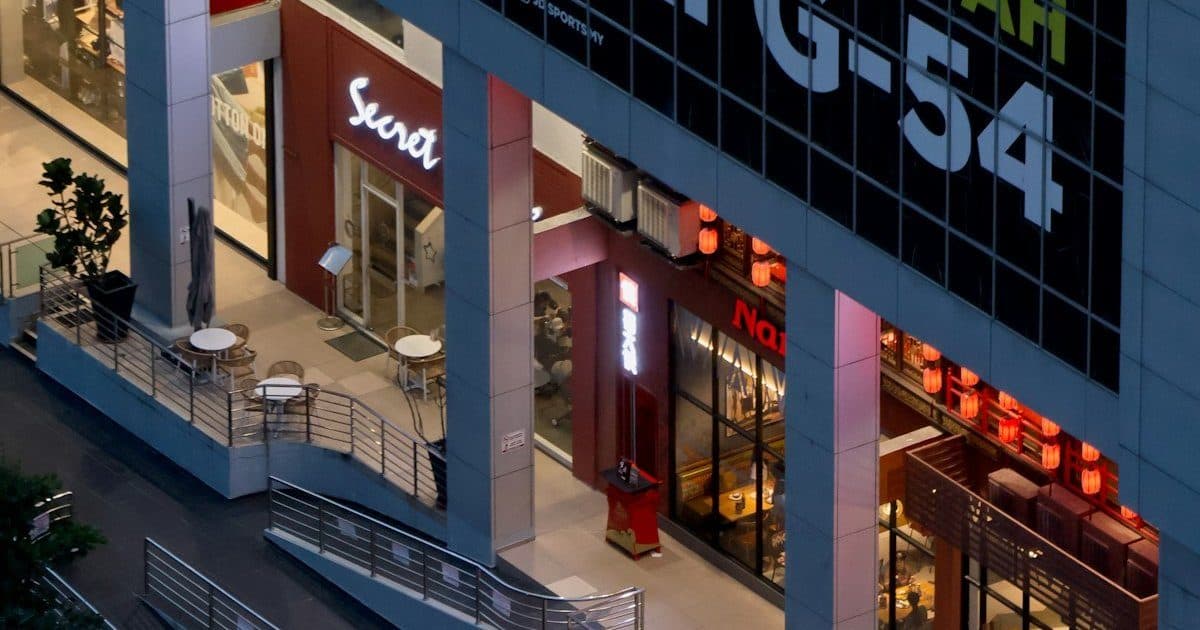
Secret Recipe (Est. 1997)
Founder: Steven Sim Hock Guan
Outlets: 440+ across 10 countries (Malaysia, Singapore, Indonesia, Thailand, Philippines, Brunei, Bangladesh, Cambodia, Myanmar, Maldives)
Signature: Chocolate Indulgence cake (sells 1 million+ slices annually)
Revenue: RM550+ million estimated
Started as a single cafe in SS2, Petaling Jaya. The Chocolate Indulgence cake became a cultural phenomenon, it's now the default birthday cake for millions of Malaysians. Expanded through franchising with strict quality control (all cakes made centrally). Success factors: consistent quality across outlets, aspirational but accessible positioning, strategic mall locations. The brand proved that Malaysian F&B concepts can scale internationally.
Old Town White Coffee (Est. 1999)
Parent: OldTown Berhad (was listed on Bursa, acquired 2018)
Outlets: 320+ cafes across Malaysia, Singapore, Indonesia, China
Retail: 3-in-1 white coffee sachets sold in 15+ countries
Acquisition: Bought by Jacobs Douwe Egberts (JDE) for RM1.47 billion in 2018
Brought Ipoh's white coffee tradition to the masses. The genius was dual-channel: cafes for brand building, retail products (instant coffee) for scale. The retail product line generates more revenue than cafes. The JDE acquisition validated Malaysian F&B brand value at global scale. Demonstrates how a local taste preference can become an exportable product.
Marrybrown (Est. 1981)
Founder: Dato' Lawrence Liew Yew Chung
Outlets: 500+ across 16 countries (Malaysia, Indonesia, UAE, Saudi Arabia, Qatar, Kuwait, Oman, India, China, Maldives, and more)
Signature: Crispy Chicken, Nasi Marrybrown, Chicken Porridge
Revenue: RM450+ million estimated
Malaysia's answer to KFC, and the only Malaysian QSR to achieve significant international scale. Fully halal-certified from inception, enabling expansion into Muslim markets where Western chains face scrutiny. Strong presence in Malaysia, Indonesia, and Middle East. Pioneered localized menu items (Nasi Lemak burgers, Chicken Porridge) that competitors later copied. The brand proves Malaysian QSR can compete globally.
Tealive (Est. 2017)
Founder: Bryan Loo Wee Kiat
Outlets: 1,000+ across 13 countries
Signature: Bubble tea, fruit teas, cheese teas
Revenue: RM600+ million estimated
Born from the famous Chatime franchise dispute. When Chatime Taiwan terminated the Malaysian franchise, Bryan Loo rebuilt 160 stores under a new brand in just 6 months, one of the most remarkable pivots in Malaysian business history. Now Malaysia's largest bubble tea chain and expanding aggressively in Vietnam, Philippines, and Australia. Demonstrates entrepreneurial resilience and brand-building capability.
Brahim's (Est. 1988)
Founder: Dato' Ibrahim Ahmad Badawi
Products: Ready-to-eat meals, airline catering, sauces
Markets: 35+ countries
Previously Listed: Bursa Malaysia (delisted June 2022 under PN17)
Started with airline catering, expanded to retail ready-to-eat meals. Pioneered halal convenience food before the category existed. Supplies to Malaysia Airlines, AirAsia, and other carriers. Strong export business to Middle East, Europe, and Australia. The brand shows how B2B expertise can translate to consumer products.
PappaRich (Est. 2005)
Outlets: 130+ globally (Malaysia, Australia, USA, China, Singapore, Brunei, Indonesia)
Signature: Malaysian kopitiam cuisine elevated to casual dining
Revenue: RM200+ million estimated
Elevated traditional kopitiam food to casual dining format suitable for international expansion. Successful in Australia (30+ outlets), proving Malaysian cuisine's exportability. The brand demonstrates that Malaysian food can command premium pricing in developed markets when properly positioned.
Emerging F&B Brands
ZUS Coffee (Est. 2019)
Malaysia's fastest-growing coffee chain. 1,000+ outlets across Southeast Asia (700+ in Malaysia alone), surpassing Starbucks Malaysia. Affordable specialty coffee positioning (RM6-12 vs Starbucks RM15-25). App-first ordering model.
Gigi Coffee
Specialty coffee roaster turned cafe chain. 50+ outlets. Known for quality beans and barista training. Premium positioning in the local specialty coffee segment.
myBurgerLab (Est. 2012)
Started in a shipping container in Sea Park. Known for creative burgers and strong brand identity. Expanded to 15+ outlets while maintaining cult following. Demonstrates that niche positioning can scale.
Inside Scoop
Premium local ice cream brand. 60+ outlets. Malaysian flavors (durian, cendol, teh tarik) at premium prices. Proving local flavors can command premium positioning.
Fashion & Retail Brands
Fashion Powerhouses
Padini Holdings (Est. 1971)
Listed: Bursa Malaysia (PADINI)
Brands: Padini, Vincci, Seed, Padini Authentics, PDI, Miki Kids, Brands Outlet
Outlets: 190+ stores across Malaysia, Cambodia, Thailand
Revenue: RM1.9+ billion annually
Market Cap: RM2.5+ billion
Malaysia's largest fashion retailer and one of the most consistent performers on Bursa. Multi-brand strategy covers different price points and demographics: Padini (mainstream), Vincci (footwear/accessories), Seed (young fashion), Brands Outlet (value). Vincci is particularly strong regionally, with dedicated stores across ASEAN. Vertically integrated with own manufacturing, ensuring margin control. The company has delivered profits for 20+ consecutive years, a remarkable track record.
Naelofar (Est. 2014)
Founder: Neelofa (Noor Neelofa Mohd Noor)
Products: Hijab, modest fashion, cosmetics
Revenue: RM150+ million estimated
Social Following: 10M+ across platforms
Celebrity-founded modest fashion brand that redefined hijab as fashion statement rather than religious obligation. Strong social media presence drives direct-to-consumer sales. Expanded to cosmetics (Naelofar Beauty) and lifestyle products. Demonstrates influencer-to-brand transition at scale. The brand has made modest fashion aspirational for young Muslim women across Southeast Asia.
FashionValet (Est. 2010, Closed 2022)
Founders: Vivy Yusof, Fadza Anuar
Model: E-commerce platform + own brands (dUCk, Lilit)
Funding: Raised RM50M+ in venture capital (Khazanah, PNB among investors)
Was a pioneer of Malaysian fashion e-commerce. dUCk scarves became a cult product with limited drops selling out in minutes. However, the platform shut down in 2022 after financial difficulties. In December 2024, founders Vivy Yusof and Fadza Anuar were charged with criminal breach of trust (CBT) involving RM8 million and pleaded not guilty. Sovereign wealth funds Khazanah and PNB lost a combined RM43.9 million from their investments. The dUCk brand continues operating under a separate entity. A cautionary tale about governance and investor oversight in Malaysian startups.
Retail Giants
Mr. DIY (Est. 2005)
Listed: Bursa Malaysia (MRDIY) - IPO 2020
Outlets: 1,550+ stores across ASEAN (Malaysia, Thailand, Indonesia, Philippines, Brunei, Singapore)
Revenue: RM4.9+ billion
Market Cap: RM17+ billion
Home improvement retail giant and one of Malaysia's most successful IPOs. Aggressive expansion strategy: open stores everywhere, keep prices low, stock everything. The "treasure hunt" shopping experience keeps customers browsing. Not franchised, all company-owned stores ensure consistency. Market cap makes it one of Malaysia's most valuable retail companies. The brand proves that value retail can scale massively.
Bonia (Est. 1974)
Listed: Bursa Malaysia (BONIA)
Brands: Bonia, Carlo Rino, Braun Büffel (license), Sostenuto, Elianto
Products: Leather goods, fashion accessories, cosmetics
Revenue: RM400+ million
Premium Malaysian leather goods brand competing with international names in department stores. Strong in Malaysia and Singapore. The Braun Büffel license adds German heritage to the portfolio. Demonstrates Malaysian capability in premium positioning. The brand has survived multiple economic cycles by maintaining quality and adapting to trends.
Emerging Fashion Brands
Christy Ng (Est. 2011)
Shoe designer who built direct-to-consumer brand. Known for affordable luxury positioning and strong social media presence. 5 standalone stores plus online. Demonstrates that Malaysian designers can build consumer brands.
Pestle & Mortar Clothing (Est. 2010)
Streetwear brand founded by Hugh Koh. Collaborations with international brands (Vans, New Balance). Represents KL's growing streetwear scene. Premium positioning in local context.
Sometime by Asian Designers
Collective platform for Asian fashion designers. Retail presence in major malls. Demonstrates appetite for local design talent.
Nelissa Hilman
Modest fashion designer with strong following. Ready-to-wear and custom pieces. Represents the professionalization of Malaysian modest fashion.
Automotive Industry
National Car Champions
Proton (Est. 1983)
Ownership: DRB-HICOM (50.1%), Geely (49.9%)
Models: X50, X70, X90, Saga, Persona, Iriz, S70
Market Share: ~19% of Malaysian market (2025)
Employees: 12,000+
Annual Production: 150,000+ units
Malaysia's first national car, founded under Tun Dr. Mahathir's vision to industrialize Malaysia. Early models (Saga 1985, Wira 1993) achieved iconic status and put Malaysians on wheels. The company struggled in the 2000s-2010s with quality issues and competition. The Geely partnership (2017) transformed Proton, the X50 and X70 SUVs are bestsellers, and quality perception has dramatically improved. The new S70 sedan marks Proton's return to the sedan segment with competitive pricing.
Key milestones:
- 1985: First Proton Saga rolls off production line
- 1996: Acquires Lotus Cars (UK)
- 2017: Geely acquires 49.9% stake
- 2019: X70 SUV launches to strong demand
- 2020: X50 becomes Malaysia's best-selling SUV
- 2023: X90 flagship SUV launched
- 2023: S70 sedan launched
Perodua (Est. 1993)
Ownership: Sime Darby/UMW (38%), Daihatsu Motor (20%), MBM Resources (20%), Daihatsu Malaysia (5%), PNB Equity (10%)
Models: Myvi, Axia, Bezza, Aruz, Ativa, Alza
Market Share: ~44% of Malaysian market (2025)
Employees: 13,000+
Annual Production: 350,000+ units
Revenue: RM14+ billion annually
Malaysia's best-selling car brand for 20 consecutive years (since 2006). Partnership with Daihatsu provides proven technology and quality systems. The Myvi is Malaysia's most popular car ever, the third-generation model (2018) is considered one of the best B-segment cars globally. Focus on affordability, fuel efficiency, and reliability resonates with Malaysian buyers. Perodua consistently delivers what Malaysians want: practical, affordable, reliable cars.
Key milestones:
- 1994: First Perodua Kancil launched
- 2005: First-generation Myvi revolutionizes B-segment
- 2006: Perodua becomes Malaysia's #1 car brand
- 2018: Third-generation Myvi wins multiple awards
- 2021: Ativa compact SUV launched
- 2022: All-new Alza MPV launched
Industry Ecosystem
Automotive Supply Chain
National car programs created extensive supplier network:
- 380+ Tier 1 suppliers (direct to OEMs)
- 1,200+ Tier 2/3 suppliers (components)
- 120,000+ direct employment in automotive sector
- RM25+ billion annual component production
- Key clusters: Shah Alam, Rawang, Gurun, Tanjung Malim
Key Suppliers (Malaysian-owned)
- APM Automotive: Largest local supplier, listed on Bursa
- Sapura Industrial: Precision components
- Ingress Corporation: Body parts, modules
- EP Manufacturing: Exhaust systems, chassis parts
- Delloyd Ventures: Interior components
EV Transition
Current State
- EV sales: ~4% of total market (2025), growing 100%+ annually
- Charging infrastructure: 2,500+ public chargers nationwide
- Government incentives: Tax exemptions until 2027
Brand Strategies
- Proton: First EV expected 2027 (Geely platform)
- Perodua: Hybrid technology first, full EV by 2028
- Both brands developing EV-specific platforms
New Entrants
- Tesla: Official presence since 2023
- BYD: Aggressive expansion, multiple models
- Chery: Affordable EV options
- Neta: Budget EV segment
- Smart: Premium compact EVs
Future Outlook
- Government target: 15% EV sales by 2030
- Local assembly: BYD, Chery establishing Malaysian plants
- Battery production: Discussions for local battery manufacturing
- Proton-Geely: Access to Geely's EV technology and platforms
Technology & Services
Malaysian Unicorns & Tech Giants
Grab (Est. 2012 in Malaysia)
Founders: Anthony Tan (Malaysian), Tan Hooi Ling (Malaysian)
Headquarters: Singapore (Malaysian-founded)
Services: Ride-hailing, food delivery, payments, financial services
Market Cap: ~$17 billion (NASDAQ: GRAB)
Employees: 10,000+ across Southeast Asia
Started as MyTeksi in Malaysia, a taxi-booking app founded by Harvard Business School classmates. Pivoted to become Southeast Asia's super-app, defeating Uber in the region (acquired Uber SEA in 2018). Malaysian founders built a regional champion that's now publicly listed on NASDAQ. Grab demonstrates Malaysian entrepreneurial capability at the highest level, it's Southeast Asia's most valuable startup.
Malaysia operations:
- 200,000+ driver-partners
- 50,000+ merchant-partners
- GrabPay widely accepted
- GrabFood market leader
AirAsia (Est. 1993, revived 2001)
Founder: Tony Fernandes
Model: Low-cost carrier, now diversifying to digital
Fleet: 250+ aircraft
Listed: Bursa Malaysia (CAPITALA / Capital A Berhad)
Transformed regional air travel with "Now Everyone Can Fly" positioning. Tony Fernandes bought the struggling airline for RM1 and built it into Asia's largest low-cost carrier. Expanded to AirAsia X (long-haul), AirAsia Digital (super-app ambitions), and various ventures. AirAsia has fully recovered from the pandemic and consolidated AirAsia X into a single brand, remaining Malaysia's most recognized brand globally. Tony Fernandes is Malaysia's most famous entrepreneur.
Carsome (Est. 2015)
Founders: Eric Cheng, Teoh Jiun Ee
Model: Used car marketplace and financing
Valuation: $1.7 billion (unicorn status 2022)
Funding: $400M+ raised
Markets: Malaysia, Indonesia, Thailand, Singapore
Southeast Asia's largest integrated car e-commerce platform. Raised significant venture capital from SoftBank, MediaTek, and others. Demonstrates Malaysian startup ecosystem maturity. The company has processed 100,000+ cars and operates inspection centers across the region.
CTOS (Est. 1990)
Listed: Bursa Malaysia (CTOS)
Services: Credit reporting, analytics, digital identity
Market Share: 90%+ of Malaysian credit reporting
Market Cap: ~RM2 billion
Malaysia's dominant credit bureau and essential infrastructure for financial services. Every loan application in Malaysia goes through CTOS. Expanded to business analytics, digital identity verification, and fraud prevention. Demonstrates B2B brand building and infrastructure value.
Emerging Tech Companies
Revenue Group (Est. 2017)
Services: Payment solutions, POS systems, merchant services
Clients: 35,000+ merchants
Listed: Bursa Malaysia (REVENUE)
Fintech success story providing payment infrastructure to SMEs. Growing rapidly with cashless adoption. The company processes billions in transactions annually.
Aerodyne (Est. 2014)
Founder: Kamarul A Muhamed
Services: Drone solutions, AI analytics
Markets: 35+ countries
Valuation: ~$700 million (Series C)
World's largest drone service provider by volume. Uses AI to analyze drone data for infrastructure inspection, agriculture, and mapping. Malaysian deep-tech success story with global reach.
Fave (formerly Groupon Malaysia)
Founder: Joel Neoh
Model: Deals platform, cashback, payments
Acquisition: Sold to Pine Labs for $45M (2021)
Joel Neoh's pivot from Groupon to Fave created a regional fintech success. The acquisition validated Malaysian fintech value. Joel has since launched new ventures.
PolicyStreet
Services: Digital insurance platform
Funding: $15M+ raised
Insurtech startup digitizing insurance distribution. Growing rapidly in the underinsured Malaysian market.
Funding Societies
Services: P2P lending, SME financing
Funding: $100M+ raised
Markets: Malaysia, Singapore, Indonesia
Regional SME financing platform with strong Malaysian presence. Demonstrates fintech opportunity in underserved segments.
Halal Certification & Standards
JAKIM Certification - The Gold Standard
The Department of Islamic Development Malaysia (JAKIM) provides halal certification recognized in 70+ countries. Malaysian halal standards are among the world's most rigorous, making JAKIM certification a valuable asset for brands targeting Muslim consumers globally.
Why JAKIM Certification Matters
- Recognized by 70+ countries' halal authorities
- Required for government contracts and GLC procurement
- Essential for export to Muslim-majority countries
- Increasingly valued in non-Muslim markets (quality signal)
- Covers entire supply chain, not just end product
Certification Process (Step-by-Step)
- Pre-Application
- Ensure premises meet halal requirements
- Train staff on halal procedures
- Establish halal assurance system
- Appoint internal halal committee
- Application Submission
- Online application via MyeHalal portal
- Submit required documents (company registration, product list, ingredient sources)
- Pay application fee
- Document Review
- JAKIM reviews submitted documents
- May request additional information
- Preliminary assessment of compliance
- Premises Inspection
- Physical inspection by JAKIM officers
- Check production processes
- Verify ingredient storage and handling
- Interview staff on halal procedures
- Product/Ingredient Verification
- Laboratory testing if required
- Verify halal status of all ingredients
- Check supplier certifications
- Certification Decision
- Halal Committee reviews application
- Approval or rejection with reasons
- Certificate issued if approved
- Ongoing Compliance
- Certificate valid for 2 years
- Annual surveillance audits
- Must report any changes to products/processes
- Renewal application before expiry
Cost & Timeline
- Application fee: RM100-1,600 (depending on business type)
- Processing time: 3-6 months (can be longer for complex cases)
- Annual compliance costs: Varies by business size (RM5,000-50,000+)
- Laboratory testing: RM200-2,000 per product if required
Categories of Halal Certification
- Food and beverages
- Food premises (restaurants, hotels)
- Slaughterhouses
- Consumer goods (cosmetics, toiletries)
- Pharmaceuticals
- Logistics and warehousing
- OEM/contract manufacturing
Common Rejection Reasons
- Inadequate halal assurance system
- Non-halal ingredients in supply chain
- Cross-contamination risks
- Insufficient staff training
- Documentation gaps
- Premises not meeting hygiene standards
Halal Industry Statistics (2026)
- Global halal market: $2.8 trillion
- Malaysia halal exports: RM50+ billion annually
- Halal-certified companies in Malaysia: 12,000+
- Malaysia's halal export growth: 8% annually
Key Halal Sectors
- Food & beverage: Largest segment, most established
- Cosmetics & personal care: Fastest growing, premium positioning
- Pharmaceuticals: Complex certification, high value
- Logistics & supply chain: Enabling infrastructure
- Tourism & hospitality: Muslim-friendly travel
- Fashion: Modest fashion, halal leather
Malaysia's Halal Hub Ambition
Government initiatives to position Malaysia as global halal hub:
- Halal parks: Dedicated industrial zones in multiple states (Penang, Pahang, Melaka, Negeri Sembilan)
- Halal certification training: International Halal Integrity Alliance
- International conferences: Malaysia International Halal Showcase (MIHAS)
- Halal startup support: MDEC programs for halal tech
- Export facilitation: MATRADE halal export programs
Tips for Brands Seeking Certification
- Start early, process takes 3-6 months minimum
- Engage halal consultant for first-time applicants
- Ensure entire supply chain is halal-compliant
- Train all staff, not just production team
- Document everything, JAKIM requires extensive records
- Budget for ongoing compliance, not just initial certification
- Consider international halal certifications for export markets
Franchise Opportunities
Top Malaysian Franchises by Category
Food & Beverage (Highest Demand)
| Brand | Investment | Royalty | Outlets | Notes |
|---|---|---|---|---|
| Secret Recipe | RM1.2-2M | 5% | 440+ | Strict location criteria |
| Marrybrown | RM800K-1.5M | 5% | 500+ | Strong in Muslim markets |
| Tealive | RM250-450K | 6% | 1,000+ | Fastest growing |
| Old Town White Coffee | RM1-1.5M | 5% | 320+ | Established brand |
| PappaRich | RM1.5-2.5M | 5% | 130+ | International potential |
| ZUS Coffee | RM200-350K | 6% | 1,000+ | Rapid expansion |
| Gigi Coffee | RM300-500K | 5% | 50+ | Specialty positioning |
| myBurgerLab | RM400-600K | 5% | 15+ | Cult following |
| Inside Scoop | RM250-400K | 5% | 60+ | Premium ice cream |
Retail & Services
| Brand | Investment | Royalty | Outlets | Notes |
|---|---|---|---|---|
| Mr. DIY | Not franchised | - | 1,550+ | Company-owned only |
| Padini | Not franchised | - | 190+ | Company-owned only |
| 99 Speedmart | Not franchised | - | 2,500+ | Company-owned only |
| Emart | RM150-300K | 3% | 100+ | Convenience stores |
Note: Many successful Malaysian retail brands don't franchise, preferring company-owned expansion for quality control.
Franchise Regulations (Malaysia Franchise Act 1998)
Legal Requirements
- Mandatory registration with Ministry of Domestic Trade
- Disclosure document required before signing
- 7-working-day cooling-off period for franchisees
- Dispute resolution mechanisms
- Franchisor must have operated business for 2+ years
- Foreign franchisors need approval
Franchisee Protections
- Right to receive disclosure document
- Cooling-off period to review terms
- Protection against unfair termination
- Access to dispute resolution
- Franchisor must provide training and support
Franchisor Obligations
- Register franchise with Ministry
- Provide disclosure document
- Deliver promised training and support
- Maintain quality standards
- Not impose unreasonable conditions
Key Considerations Before Investing
Financial Analysis
- Total investment (franchise fee + setup + working capital)
- Expected revenue and margins
- Royalty and marketing fees impact on profitability
- Break-even timeline (typically 18-36 months)
- Exit options and resale value
Due Diligence
- Talk to existing franchisees (at least 5)
- Visit multiple outlets at different times
- Review financial projections critically
- Understand territory exclusivity terms
- Check franchisor's financial health
- Research brand reputation and trends
Operational Factors
- Location selection support and criteria
- Training program quality and duration
- Ongoing operational support
- Marketing support and requirements
- Supply chain and procurement terms
- Technology and systems provided
Success Factors for Franchisees
- Location: 70% of F&B franchise success is location
- Operational discipline: Follow the system exactly
- Staff management: High turnover is the biggest challenge
- Marketing utilization: Use franchisor's marketing support
- Customer service: Differentiate through service quality
- Financial management: Control costs from day one
Franchise vs. Own Brand Comparison
| Factor | Franchise | Own Brand |
|---|---|---|
| Brand recognition | Immediate | Must build |
| Proven model | Yes | Must develop |
| Support system | Provided | Must create |
| Royalty fees | 4-8% ongoing | None |
| Creative control | Limited | Full |
| Exit value | Established | Variable |
| Risk level | Lower | Higher |
| Upside potential | Capped | Unlimited |
Resources for Prospective Franchisees
- Malaysian Franchise Association (MFA)
- Franchise Malaysia Expo (annual event)
- Ministry of Domestic Trade franchise registry
- Bank Negara SME financing programs
- MDEC for tech-enabled franchises
Investment Analysis
Listed Malaysian Brand Companies
Consumer Sector Stocks
| Company | Ticker | Market Cap | P/E | Yield | Sector |
|---|---|---|---|---|---|
| Padini Holdings | PADINI | RM2.5B | 14x | 4.5% | Fashion retail |
| Mr. DIY | MRDIY | RM17B | 28x | 1.8% | Home improvement |
| 99 Speed Mart | 99SMART | RM15B | 35x | 1.0% | Convenience retail (IPO 2024) |
| Bonia | BONIA | RM350M | 12x | 3.2% | Fashion accessories |
| AEON Co | AEON | RM2.8B | 18x | 2.5% | Retail |
| Hai-O Enterprise | HAIO | RM800M | 15x | 5.0% | MLM, wellness |
Automotive Sector
| Company | Ticker | Market Cap | P/E | Yield | Notes |
|---|---|---|---|---|---|
| DRB-HICOM | DRBHCOM | RM3.5B | 8x | 2.0% | Proton parent |
| Sime Darby | SIME | RM15B | 14x | 4.0% | Perodua (via UMW), BMW, Porsche |
| Bermaz Auto | BAUTO | RM2.2B | 10x | 6.5% | Mazda distributor |
Technology & Services
| Company | Ticker | Market Cap | P/E | Yield | Notes |
|---|---|---|---|---|---|
| CTOS | CTOS | RM2B | 25x | 1.5% | Credit bureau |
| Revenue Group | REVENUE | RM400M | 25x | 0.5% | Fintech |
| Grab | GRAB (NASDAQ) | ~$17B | N/A | 0% | Super-app |
F&B Sector
Most major F&B brands are private:
- Secret Recipe: Private
- Marrybrown: Private
- Tealive: Private (Loob Holding)
- QSR Brands (KFC/Pizza Hut): Private (Johor Corp)
Investment Themes
Positive Factors
- Young population (median age 30) supports consumption growth
- Growing middle class with rising disposable income
- ASEAN expansion potential for successful brands
- Halal market access ($2.8 trillion globally)
- Digital adoption accelerating (e-commerce, fintech)
- Tourism recovery boosting retail and F&B
- Government support for local brands
Risk Factors
- Competition from international brands entering market
- E-commerce disruption in traditional retail
- Economic sensitivity, consumer spending correlates with GDP
- Currency fluctuation affecting import costs
- Regulatory changes (minimum wage, taxes)
- Talent shortage in key sectors
- Rising input costs (commodities, labor)
Valuation Metrics (Sector Averages)
| Sector | P/E Range | EV/EBITDA | Dividend Yield |
|---|---|---|---|
| Consumer retail | 12-20x | 8-12x | 2-5% |
| F&B | 15-25x | 10-15x | 1-4% |
| Automotive | 8-15x | 5-10x | 2-4% |
| Technology | 25-40x | 15-25x | 0-2% |
Private Equity Activity
Significant PE interest in Malaysian brands:
- Active investors: Creador, Navis Capital, Affinity Equity, CIMB Private Equity
- Focus sectors: F&B, retail, healthcare, education
- Typical deal size: RM50M-500M
- Holding period: 5-7 years
- Target returns: 20-25% IRR
Recent Notable Transactions
- Old Town White Coffee → JDE (RM1.47B, 2018)
- Fave → Pine Labs ($45M, 2021)
- Various F&B brands attracting PE interest
Startup Investment Landscape
Venture Capital Active in Malaysia
- 500 Global (formerly 500 Startups)
- Sequoia Capital (Southeast Asia)
- Vertex Ventures
- Gobi Partners
- Cradle Fund (government)
Recent Funding Rounds
- Carsome: $200M+ Series E
- PolicyStreet: $15M Series A
- Funding Societies: $100M+ total
Government Support Programs
- MDEC grants for tech startups
- Cradle Fund for early-stage
- SME Bank financing
- MATRADE export support
Future Outlook
Emerging Trends Shaping Malaysian Brands
Digital-First Brands
New generation of brands built on social media and e-commerce rather than traditional retail:
- Lower barriers to entry (no need for physical stores initially)
- Higher competition (everyone can start a brand)
- Success requires strong content and community building
- Examples: ZUS Coffee (app-first), various D2C fashion brands
- Key platforms: Instagram, TikTok, Shopee, Lazada
Sustainability Focus
Growing consumer demand for sustainable products:
- Brands incorporating ESG principles
- Sustainable packaging becoming standard
- Carbon footprint transparency
- Ethical sourcing requirements
- Opportunity for differentiation in crowded markets
- Examples: Biji-biji Initiative, The Hive bulk stores
Health & Wellness
Post-pandemic health consciousness driving demand:
- Functional foods and beverages
- Fitness and wellness services
- Mental health and self-care products
- Clean label and organic products
- Examples: Amazin' Graze, various health food brands
Premiumization
Rising incomes enabling premium positioning:
- Opportunity to move up value chain
- Premium local alternatives to imports
- Craft and artisanal positioning
- Experience-based premium (not just product)
- Examples: Inside Scoop, specialty coffee brands
Regional Expansion
ASEAN integration facilitating cross-border growth:
- Indonesia (270M population) as key target
- Vietnam (100M) growing rapidly
- Thailand and Philippines as expansion markets
- Singapore as premium positioning market
- RCEP trade agreement reducing barriers
Challenges Facing Malaysian Brands
Talent
- Difficulty attracting and retaining talent
- Competition from MNCs and Singapore
- Brain drain of top performers
- Need for upskilling in digital capabilities
- Solution: Competitive compensation, purpose-driven culture
Funding
- Limited growth capital compared to regional peers
- Risk-averse banking sector
- Need for more patient capital
- Venture capital ecosystem still developing
- Solution: Government programs, regional investors
Scale
- Small domestic market (34M) limits scale
- Regional expansion essential for growth
- Execution challenges in new markets
- Need for localization while maintaining brand
- Solution: Strategic partnerships, phased expansion
Competition
- International brands entering market
- E-commerce enabling global competition
- Price pressure from regional competitors
- Need for differentiation
- Solution: Focus on local relevance, service quality
Predictions 2026-2030
Winners (Brand Characteristics)
- Digital-native with strong online presence
- Halal-certified with export capability
- Sustainable/ethical positioning
- Regional expansion strategy
- Strong founder leadership
- Clear differentiation
- Adaptable business model
Sectors to Watch
- Plant-based foods: Growing vegetarian/flexitarian market
- Modest fashion: Global Muslim fashion market growing
- Halal cosmetics: Underserved premium segment
- Health tech: Telemedicine, wellness apps
- Sustainable retail: Eco-friendly products and packaging
- Pet care: Growing pet ownership, premiumization
- Senior care: Aging population needs
Emerging Brand Categories
- Creator economy: Influencer-founded brands
- Community brands: Built around shared interests
- Purpose-driven: Social enterprise models
- Tech-enabled traditional: Modernizing heritage businesses
The 2030 Malaysian Brand
Successful Malaysian brands of 2030 will be:
- Digitally native: Online-first, omnichannel execution
- Regionally minded: ASEAN expansion from day one
- Sustainability-focused: ESG integrated into operations
- Community-driven: Strong customer relationships
- Halal-certified: Accessing global Muslim market
- Purpose-led: Clear mission beyond profit
- Adaptable: Quick to respond to market changes
- Talent-focused: Attracting best people with culture and purpose
Brand Success Stories & Case Studies
From Kopitiam to Global: Old Town White Coffee
The Challenge: How do you scale a traditional Malaysian coffee culture to international markets?
The Story: Old Town White Coffee started in 1999 with a simple insight: Malaysians loved Ipoh white coffee but couldn't easily get it outside Ipoh. Founders Goh Ching Mun and Tan Say Yap created both a cafe chain and retail products (3-in-1 sachets).
Key Decisions:
- Dual-channel strategy: Cafes for brand building, retail for scale
- Standardized recipes ensuring consistency across outlets
- Aggressive franchising for rapid expansion
- Retail products sold in supermarkets across Asia
The Result: 320+ cafes, retail products in 15+ countries, acquired by JDE (Jacobs Douwe Egberts) for RM1.47 billion in 2018, validating Malaysian F&B brand value at global scale.
Lesson: Build multiple revenue streams. The retail products eventually generated more revenue than the cafes.
---
The Pivot: Tealive's 6-Month Transformation
The Challenge: Chatime Taiwan terminated Bryan Loo's franchise agreement in 2017, forcing him to rebrand 160+ stores overnight.
The Story: Instead of fighting legal battles, Bryan Loo executed one of Malaysia's most remarkable business pivots. In just 6 months, he:
- Developed new brand identity (Tealive)
- Created new recipes and menu
- Retrained all staff
- Rebranded all 160+ stores
- Launched aggressive marketing campaign
Key Decisions:
- Speed over perfection, launched quickly, refined later
- Retained staff and franchisees through transparent communication
- Invested heavily in R&D for differentiated products
- Built stronger franchisee relationships than before
The Result: Tealive now has 1,000+ outlets across 13 countries, surpassing the original Chatime Malaysia network. The brand is valued at hundreds of millions.
Lesson: Crisis can be opportunity. Strong execution and team loyalty matter more than brand name.
---
Digital-First: ZUS Coffee's Rapid Rise
The Challenge: How do you compete with Starbucks and established local chains?
The Story: ZUS Coffee launched in 2019 with a different playbook: app-first ordering, affordable specialty coffee (RM6-12 vs Starbucks RM15-25), and rapid store expansion.
Key Decisions:
- Mobile app as primary ordering channel (reduces queues, increases efficiency)
- Smaller store formats (lower rent, faster expansion)
- Specialty coffee quality at mass-market prices
- Aggressive expansion: 1,000+ outlets in 6 years
The Result: Malaysia's fastest-growing coffee chain, surpassing Starbucks in outlet count. Now expanding across Southeast Asia. Raised significant funding from investors.
Lesson: Technology can disrupt traditional retail. Lower prices don't mean lower quality, operational efficiency enables both.
---
Modest Fashion Empire: Naelofar's Influencer-to-Brand Journey
The Challenge: Can a celebrity build a sustainable brand beyond personal fame?
The Story: Neelofa (Noor Neelofa Mohd Noor) leveraged her 10M+ social media following to launch Naelofar hijab brand in 2014. But unlike many celebrity brands, she built real business infrastructure.
Key Decisions:
- Invested in design team and product development (not just licensing name)
- Built direct-to-consumer e-commerce capability
- Expanded to cosmetics (Naelofar Beauty) and lifestyle products
- Maintained quality control despite rapid growth
The Result: RM150+ million estimated revenue, multiple product lines, and a brand that could survive beyond the founder's celebrity status.
Lesson: Celebrity brands need real business fundamentals. Social media reach is distribution, not the product.
---
From Shipping Container to Cult Brand: myBurgerLab
The Challenge: How do you build a premium burger brand in a price-sensitive market?
The Story: myBurgerLab started in 2012 in a shipping container in Sea Park, PJ. Founders Chin Ren Yi and Teoh Wee Kiat focused on creative burgers, strong brand identity, and community building.
Key Decisions:
- Premium positioning from day one (RM20+ burgers when competitors charged RM10)
- Creative menu with unique combinations (not just copying Western chains)
- Strong visual identity and social media presence
- Slow, controlled expansion (15+ outlets over 10+ years)
- Community engagement through events and collaborations
The Result: Cult following, consistent profitability, and proof that niche positioning can scale in Malaysia.
Lesson: You don't need to be the cheapest. Strong brand identity and community can command premium prices.
Sustainability & ESG Initiatives
The Sustainability Imperative
Malaysian brands are increasingly adopting sustainability practices, driven by:
- Consumer demand (especially younger demographics)
- Export market requirements (EU, US sustainability regulations)
- Cost savings from efficiency improvements
- Investor pressure (ESG-focused funds)
- Government incentives and regulations
Leading Sustainable Brands
The Body Shop Malaysia
While international, The Body Shop's Malaysian operations demonstrate sustainability leadership:
- Community Trade program sourcing from Malaysian suppliers
- Refill stations reducing plastic waste
- Against animal testing advocacy
- Recycling programs in stores
Biji-biji Initiative
Social enterprise focused on upcycling and sustainability:
- Upcycled products from waste materials
- Sustainability workshops and education
- Corporate sustainability consulting
- Demonstrates viable social enterprise model
The Hive Bulk Foods
Zero-waste grocery concept:
- Bring-your-own-container shopping
- Plastic-free products
- Local and organic sourcing
- Multiple locations in KL
Pestle & Mortar Clothing
Streetwear brand with sustainability focus:
- Organic cotton collections
- Limited production runs (reducing waste)
- Transparent supply chain
- Collaborations with environmental causes
Corporate Sustainability Leaders
Padini Holdings
- Sustainable materials in selected lines
- Energy efficiency in stores
- Waste reduction programs
- ESG reporting in annual reports
Mr. DIY
- LED lighting across stores
- Recycling programs
- Sustainable product sourcing initiatives
- Community engagement programs
Sunway Group
- Carbon neutral commitment by 2050
- Sustainable building certifications
- Renewable energy investments
- Extensive CSR programs
Sustainability Certifications
Environmental
- ISO 14001 (Environmental Management)
- Green Building Index (GBI) for properties
- LEED certification for buildings
- FSC certification for paper/wood products
Social
- SA8000 (Social Accountability)
- Fair Trade certification
- B Corp certification (emerging in Malaysia)
- SEDEX membership
Halal + Sustainable
- Halal certification increasingly includes ethical sourcing
- Animal welfare standards in halal certification
- Sustainable halal as emerging category
Government Initiatives
MyHIJAU
Government program promoting green products:
- Green certification for products and services
- Directory of certified green products
- Incentives for green procurement
- Growing consumer awareness
Sustainable Development Goals (SDG)
Malaysia committed to UN SDGs:
- Brands aligning with SDG targets
- Reporting frameworks emerging
- Government procurement preferences
Circular Economy Blueprint
National strategy for circular economy:
- Extended producer responsibility
- Waste reduction targets
- Recycling infrastructure investment
- Opportunities for circular business models
Practical Steps for Brands
Quick Wins
- Reduce single-use plastics in packaging
- Switch to LED lighting in stores/offices
- Implement recycling programs
- Source locally where possible
- Digitize to reduce paper usage
Medium-Term
- Conduct carbon footprint assessment
- Set measurable sustainability targets
- Engage suppliers on sustainability
- Obtain relevant certifications
- Report sustainability metrics
Long-Term
- Integrate sustainability into business strategy
- Develop circular economy initiatives
- Invest in renewable energy
- Build sustainable supply chains
- Lead industry sustainability initiatives
Consumer Trends
Willingness to Pay Premium
- 65% of Malaysian consumers willing to pay more for sustainable products
- Premium acceptance: 10-20% above conventional products
- Strongest in food, personal care, fashion categories
- Younger consumers (18-35) most sustainability-conscious
Key Concerns
- Plastic waste and ocean pollution
- Deforestation and palm oil sustainability
- Animal welfare
- Climate change
- Local community impact
Greenwashing Risks
- Consumers increasingly skeptical of vague claims
- Need for credible certifications and transparency
- Social media amplifies greenwashing exposure
- Authenticity matters more than marketing
Bumiputera Brand Champions
Bumiputera Brand Champions
Bumiputera brands are businesses built and owned by Malays and the indigenous communities of Sabah and Sarawak. Their commercial rise traces back to the New Economic Policy (NEP), launched in 1971 after the events of 1969. The NEP set out to reduce poverty and restructure the economy so that Bumiputera ownership of corporate equity would grow toward a 30 percent target. Later frameworks, including the New Economic Model and various Bumiputera economic agendas, kept the same intent: build entrepreneurs, expand access to capital, and grow companies that could stand in the open market. Agencies such as MARA, PUNB, and the equity fund Ekuinas channelled financing and mentoring into this goal.
The results show up most clearly in two sectors where Bumiputera brands hold real strength: halal food and modest fashion. Both play to a domestic Muslim-majority market and to export demand across the Gulf, Indonesia, and beyond.
Notable champions across sectors:
- Habib Jewels started in 1958 with capital of RM3,800 under Habib Mohamed Abdul Latif, and is now led by Datuk Seri Meer Sadik Habib. It became the first publicly listed jeweller in Malaysia in 1998 before returning to private hands in 2005.
- Brahim's grew out of Dewina Food Industries, founded by Dato' Seri Ibrahim Ahmad in 1986 to make retort-pouch ready meals for military rations. Its airline catering arm at KLIA prepares tens of thousands of halal meals a day for international carriers.
- Radix Fried Chicken (RFC), established in 2008 by Tuan Haji Ismail under the HPA group in Sungai Petani, Kedah, is often cited as the first fully Bumiputera-owned fast-food chain, built on a Shariah-compliant model.
- Al-Ikhsan Sports, founded in 1993 by Haji Ali Hassan Mohd Hassan and Marina Abu Bakar from a small store in Johor Bahru, became the largest Bumiputera-owned sports retailer in the country.
- SimplySiti, launched in 2010 by singer Dato' Siti Nurhaliza, brought a celebrity-founder cosmetics line into the halal beauty space.
- FashionValet and dUCk, co-founded by Vivy Yusof in 2010, made the modest-fashion scarf brand dUCk a household name. FashionValet closed its marketplace in October 2024, while dUCk continued as a standalone label.
Reference table
| Brand | Sector | Founded | What makes it notable |
|---|---|---|---|
| Habib Jewels | Jewellery | 1958 | First listed jeweller in Malaysia (1998) |
| Brahim's | Halal food / airline catering | 1986 | Large-scale halal in-flight meals at KLIA |
| Al-Ikhsan Sports | Sports retail | 1993 | Largest Bumiputera-owned sports retailer |
| Radix Fried Chicken | Fast food | 2008 | Early fully Bumiputera fast-food chain, Shariah model |
| SimplySiti | Cosmetics | 2010 | Celebrity-founded halal beauty line |
| dUCk (FashionValet) | Modest fashion | 2010 | Leading local scarf and modest-wear brand |
A note on classification: some brands often assumed to be Bumiputera are not. Secret Recipe was founded by Dato' Steven Sim, a Chinese-Malaysian entrepreneur, and later took Chinese investment from Fosun. Mamee traces to the Chinese-Malaysian Pang family. Accurate labelling matters when the ownership question carries policy and procurement weight in Malaysia.
Malaysian Startups & Unicorns
Malaysian Startups & Unicorns
Malaysia's startup scene has produced one homegrown unicorn and one very famous export. Understanding which companies actually crossed the US$1 billion valuation line matters, because the label gets applied loosely in local press.
The unicorns, told straight
- Grab started in Kuala Lumpur in June 2012 as MyTeksi, founded by Anthony Tan and Tan Hooi Ling. It rebranded to Grab and moved its headquarters to Singapore in 2014, then listed on NASDAQ in 2021. Malaysian in origin, Singaporean in domicile today.
- Carsome is Malaysia's first true homegrown unicorn. Founded in 2015 by Eric Cheng and Teoh Jiun Ee, the used-car marketplace hit a US$1.3 billion valuation with its Series D in September 2021, then reached about US$1.7 billion after a US$290 million round in early 2022. It operates across Malaysia, Indonesia, Thailand, and Singapore.
- Aerodyne, the Subang-based drone data and DT3 (drone tech, data, digital transformation) firm founded in 2014 by Kamarul Muhamed, is often called a unicorn. It is more accurately a well-funded scale-up ranked among the world's top drone service providers, not a confirmed billion-dollar company.
Carsome vs myTukar
The used-car category has two Malaysian heavyweights. Carsome runs the larger integrated retail and inspection network. myTukar, backed by Singapore's Carro and later linked to Sime Darby Motors, competes on the C2B auction and dealer-to-dealer side. Both digitised a trade that ran on cash and word of mouth for decades.
Fintech and other names to know
- iPay88, a payment gateway founded in 2006, was acquired by NTT Data of Japan and remains a backbone for Malaysian online merchants.
- StoreHub, founded in 2013 by Wai Hong Fong, provides cloud POS and retail software to F&B and retail SMEs across the region.
- PolicyStreet, an insurtech founded in 2017, holds regional licences and distributes embedded insurance.
- BigPay is the e-wallet and cross-border remittance arm of Capital A (AirAsia), launched in 2017.
- Setel, launched by Petronas in 2018, lets drivers pay for fuel from a phone app, one of Malaysia's most-used mobility fintech products.
- MoneyLion, a NYSE-listed US fintech co-founded by Malaysian Diwakar Choubey, runs a substantial engineering hub in Kuala Lumpur.
The support ecosystem
Government agencies do heavy lifting here. MDEC drives digital economy policy and the MSC status scheme. Cradle Fund and MRANTI provide early-stage grants and commercialisation support. Cyberview anchors Cyberjaya as a tech hub. The KL20 agenda, launched at the KL20 Summit in April 2024, sets the target of making Kuala Lumpur a top-20 global startup city by 2030, backed by new VC commitments and founder-friendly visa reforms.
| Startup | Sector | Founded | Status |
|---|---|---|---|
| Grab | Ride-hailing, super-app | 2012 | KL-founded, SG HQ, NASDAQ-listed |
| Carsome | Used-car marketplace | 2015 | Unicorn (~US$1.7B) |
| Aerodyne | Drone data / DT3 | 2014 | Late-stage scale-up |
| iPay88 | Payment gateway | 2006 | Acquired (NTT Data) |
| StoreHub | Retail SaaS / POS | 2013 | Growth stage |
| PolicyStreet | Insurtech | 2017 | Series-funded |
| BigPay | E-wallet / remittance | 2017 | Capital A backed |
| Setel | Fuel payments | 2018 | Petronas subsidiary |
Heritage & Century-Old Brands
Heritage & Century-Old Brands
Some Malaysian brands predate the country itself. They were built in British Malaya by immigrant traders, colonial planters, and family shopkeepers, and they kept trading through the Japanese occupation, the Emergency, Merdeka in 1957, and the formation of Malaysia in 1963. The oldest names here go back to the 1800s.
The pioneers
- Eu Yan Sang (1879) opened as a single medicine shop in the Perak tin belt, started by Eu Kong to treat opium-addicted miners. It grew into one of Asia's largest traditional Chinese medicine groups. In 2024 a Japanese consortium of Mitsui & Co and Rohto Pharmaceutical acquired around 86 percent of the company for about US$516 million.
- Coliseum Cafe (1921) on Jalan Tuanku Abdul Rahman in Kuala Lumpur was opened by business partners from Hainan and served Hainanese-Western food to rubber planters and tin miners. It entered the Malaysia Book of Records in 2013 as the oldest Western colonial-style restaurant. The original branch closed in June 2021, and the name now runs at newer locations.
- BOH Plantations (1929) was founded by J.A. Russell in Cameron Highlands, the first highland tea estate in Malaya. It remains family-owned and is the country's largest tea producer, marking 95 years in 2024.
The interwar and post-war family firms
| Brand | Founded | Origin | Still operating |
|---|---|---|---|
| Eu Yan Sang | 1879 | Perak (TCM) | Yes, Asia-wide |
| Coliseum Cafe | 1921 | Kuala Lumpur | Yes, new outlets |
| BOH Plantations | 1929 | Cameron Highlands | Yes, family-owned |
| Lee Biscuits | 1934 | Singapore, moved to Johor | Yes, Johor-based |
| Cap Kaki Tiga (Wen Ken) | 1937 | British Malaya | Yes, exported regionally |
| Bata (Klang factory) | 1937 | Klang rubber footwear | Yes |
| Aik Cheong Coffee | 1955 | Melaka | Yes |
| Hai-O Enterprise | 1975 | Klang (TCM, MLM) | Yes, as Beshom |
Lee Biscuits grew out of the rubber wealth of Tan Sri Lee Kong Chian in 1934 and relocated its operations to Johor Bahru in 1955. Cap Kaki Tiga cooling water, made by the Wen Ken Group from 1937, began as an affordable remedy for heatiness among Chinese immigrants and is still sold across Malaysia, Singapore, and beyond. Bata began rubber footwear production at its Klang factory in June 1937 and continues to supply school shoes and PVC footwear. Aik Cheong started in 1955 when Madam Low Kwai Heong sold roasted coffee door to door in old Melaka town, two years before Merdeka. Hai-O, founded by Tan Kai Hee in 1975, became the first traditional healthcare company listed on Bursa Malaysia and now trades under Beshom Holdings.
What let them endure
- Family ownership kept decisions long-term. BOH and Aik Cheong are still run by descendants of their founders.
- Everyday staples rather than fashion. Tea, coffee, biscuits, cooling water, and medicine sell in good years and bad.
- A trusted mark against copycats. Cap Kaki Tiga moulded its logo into every bottle neck to fight imitations.
- Reinvention. Aik Cheong pioneered kopi-o in a bag in 1980, and Coliseum carried its name to new premises after its landmark shophouse closed.
Malaysian Export Champions
Malaysian Export Champions
Some Malaysian brands built their scale abroad. They carry Malaysian recipes, factories, and halal credentials into markets across Asia, the Middle East, and beyond. A few grew so valuable that global players bought them outright.
The heavyweights
- Marrybrown started in Johor Bahru in 1981, founded by Lawrence and Nancy Liew. It grew into one of the world's largest halal quick-service chains, with more than 500 outlets across 16 countries including the UAE, Qatar, China, India, the Maldives, and Tanzania.
- OldTown White Coffee took Ipoh-style white coffee into cafes and 3-in-1 sachets. In late 2017 Dutch group Jacobs Douwe Egberts (JDE) made a takeover offer valuing OldTown at about RM1.47 billion, completed in early 2018.
- Top Glove, founded by Tan Sri Dr Lim Wee Chai in 1991, became the world's largest rubber glove manufacturer, running dozens of factories and exporting to customers in around 195 countries.
- Royal Selangor traces back to 1885, when tinsmith Yong Koon arrived in Kuala Lumpur. It is now the world's largest pewter maker, selling in more than 30 countries.
- Julie's biscuits, founded in Melaka in 1984, sell in over 80 countries. China became its largest overseas market, driven by fast e-commerce growth.
Snacks, drinks, and services abroad
- Mamee-Double Decker exports to over 100 countries. Its Mister Potato chips, launched in 1991, reach top markets such as Singapore, Australia, the Maldives, and the Middle East.
- Munchy's, Malaysia's leading biscuit company, sold to Philippine group Universal Robina in 2021 for around RM1.925 billion, with products in more than 50 countries.
- Power Root, founded in Johor in 1999, sells Alicafe and Tongkat Ali energy drinks into China, the UAE, Japan, South Korea, and across the Gulf.
- Tealive (Loob Holding) runs over 900 tea outlets across three continents, including Vietnam, the Philippines, the UAE, and Canada.
- BOH, founded in Cameron Highlands in 1929, is Malaysia's largest tea producer and exports its black teas widely.
- Nirvana Asia, founded in 1990, is Asia's largest integrated bereavement care provider, operating in Malaysia, Singapore, Thailand, Indonesia, China, and Vietnam.
| Brand | Product | Key export markets |
|---|---|---|
| Marrybrown | Halal QSR (fried chicken) | UAE, Qatar, China, India, Tanzania |
| OldTown White Coffee | White coffee, cafes | China, Singapore, Indonesia |
| Top Glove | Rubber gloves | US, Europe, ~195 countries |
| Julie's | Biscuits | China, US, Australia, Middle East |
| Mister Potato (Mamee) | Potato chips | Singapore, Australia, Maldives, Gulf |
| Power Root | Alicafe, energy drinks | China, UAE, Japan, South Korea |
| Royal Selangor | Pewter | 30+ countries |
| BOH | Tea | Asia, export markets |
The halal and ASEAN advantage
Two structural edges help these brands travel. JAKIM halal certification is trusted across Muslim-majority markets, so a Malaysian product moves into the Gulf, Indonesia, and Brunei with a credential buyers already recognise. ASEAN membership adds low tariffs and a single regional market of over 600 million people, giving brands a nearby runway to test formats and scale before reaching further into China, South Asia, and Africa.
Emerging D2C & Digital-Native Brands
Emerging D2C & Digital-Native Brands
A generation of Malaysian consumer brands grew up online, selling direct through Instagram, their own apps, and marketplace storefronts before opening physical stores. Most started small, often from a bedroom or a blog shop, then scaled through social commerce and super-app logistics.
The digital-native playbook
These brands share a recognisable operating model built for the Malaysian market:
- Social commerce first. Instagram and Facebook built the early audiences. TikTok Shop now drives discovery and checkout in one place, with live selling ("live") sessions a core sales channel for fashion, snacks, and beauty.
- Super-app delivery. Grab, Foodpanda, and Lalamove handle last-mile fulfilment, so a small brand can promise same-day delivery across the Klang Valley without owning a fleet.
- Cashless rails. Touch 'n Go eWallet, GrabPay, ShopeePay, and DuitNow QR remove checkout friction for a mobile-heavy, card-light customer base.
- Own-app loyalty. The strongest players push customers into a branded app for ordering, points, and repeat purchases.
Brands to know
| Brand | Category | What is notable |
|---|---|---|
| ZUS Coffee | Coffee chain | First outlet in November 2019, founded by Venon Tian and Ian Chua; app-first ordering and delivery; passed its 1,000th outlet in 2025 and expanded into the Philippines and Thailand |
| Tealive | Bubble tea | Launched February 2017 by Bryan Loo under Loob Holding after a demerger from Chatime; over 900 outlets across around 10 countries |
| Signature Market | Health snacks | Founded 2014 by Edwin Wang and John Cheng; online-first healthy snacking; a certified B Corporation |
| FashionValet / dUCk | Fashion, modest wear | Founded 2010 by Vivy Yusof and Fadzarudin Anuar; the FashionValet marketplace closed in 2023 and the group refocused on in-house labels dUCk (luxury headscarves) and LILIT |
| Christy Ng | Footwear | Began 2010 as a blog shop, moved into custom-made women's shoes, opened its first physical store at 1 Utama in 2016 |
| Nala (Nala Designs) | Batik-modern prints | Founded by Dutch-raised-in-Malaysia designer Lisette Scheers around 2008; hand-drawn prints reinterpreting Peranakan and local motifs across fashion and homeware |
Malaysian context
ZUS Coffee is the clearest case of the app-first model working at scale, using pricing below Starbucks and a gamified app to build a nationwide chain in a few years. Signature Market shows the health-snacks D2C route, going from an online store to FMCG shelves and B Corp status. The FashionValet story is a caution: an early e-commerce darling that closed its marketplace in 2023, with founders Vivy Yusof and Fadzarudin Anuar later facing charges linked to RM8 million in government-linked investment funds, a trial scheduled through 2026.
The common thread is speed. A Malaysian brand can now go from a TikTok live session to a Grab delivery to a repeat order in one afternoon, which lets small teams reach national scale without the retail footprint that earlier brands needed.
How to Support Malaysian Brands
How to Support Malaysian Brands
Choosing homegrown products keeps money and jobs inside Malaysia. Local manufacturers employ Malaysians, pay tax here, and reinvest in the economy. Sustained local demand also gives homegrown founders a reason to build and stay rather than relocate their talent and capital abroad.
Why Buying Local Matters
- Jobs: Local production supports factory, retail, and logistics employment across states, from Penang to Johor.
- Economy: Ringgit spent on Malaysian brands recirculates domestically instead of flowing out to overseas parent companies.
- Talent retention: Steady demand helps founders scale here and keeps skilled workers in Malaysia.
Telling Malaysian Brands Apart
Many international brands manufacture or operate in Malaysia without being Malaysian owned. To identify genuinely local brands, check where the company is registered (a Malaysian SSM registration), where head office and ownership sit, and where the product is actually made. Two official marks help:
| Mark | Issued by | What it signals |
|---|---|---|
| Buatan Malaysia (hornbill logo) | KPDN (Ministry of Domestic Trade and Cost of Living) | Product made in Malaysia with at least 51% local content and final assembly here; the industry marking scheme began in 1997 |
| SIRIM mark | SIRIM QAS International | Product tested and certified to Malaysian standards for safety and quality; mandatory for electrical goods, helmets, and communications equipment |
The Buatan Malaysia mark is the clearest quick check. It requires SSM registration, a valid local authority licence, and a genuine manufacturing process carried out in Malaysia.
Where to Find Local Products
- Signature Market: Founded in September 2014 by Edwin Wang and John Cheng, this Kuala Lumpur online marketplace focuses on natural, healthy, and local lifestyle products, including its in-house Plant Origins line. It is a certified B Corporation.
- Shopee and Lazada local stores: Both platforms run homegrown-seller programmes. Shopee has spotlighted Made-in-Malaysia sellers state by state, and Lazada recognises local brands through its Seller and Partner Awards. Filter for Malaysian sellers and look for the Buatan Malaysia mark on listings.
- Bazaars and markets: Ramadan bazaars, pasar malam (night markets), and pasar tani (farmers' markets) are direct routes to small local producers.
- Government and community channels: MARA, TEKUN, and state agencies support bumiputera and rural entrepreneurs whose products often appear at fairs and pop-ups.
Supporting Bumiputera and Heritage Brands
Bumiputera-owned SMEs and heritage makers (batik, songket, pewter, kaya, and traditional snacks) often operate on thin margins. Buying directly, paying full price rather than haggling hard, and leaving honest reviews all help these smaller producers grow.
Quick Checklist
- Look for the Buatan Malaysia hornbill logo on packaging.
- Confirm Malaysian ownership and SSM registration, not just local manufacturing.
- Buy from verified local stores on Shopee, Lazada, and Signature Market.
- Visit bazaars and pasar tani for small producers.
- Leave reviews and recommend brands you like to widen their reach.